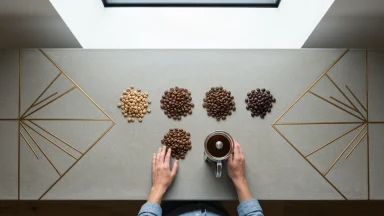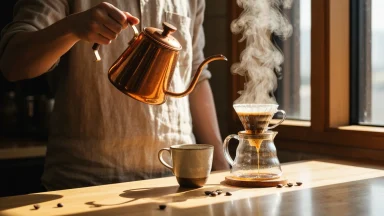
That familiar gurgle of the coffee maker is the unofficial soundtrack to millions of mornings. The rich aroma that follows is more than just a pleasant smell; it’s a signal that the day is beginning. For many, the automatic drip coffee maker is an highly useful part of this daily ritual, a reliable appliance that delivers a necessary dose of comfort and caffeine with the simple push of a button. But have you ever wondered if that reliable cup could be more than just ‘good enough’?
Navigating the world of coffee makers can feel surprisingly complex. You’re faced with a wall of choices: glass carafes on warming plates versus insulated thermal models, basic on/off switches versus machines with programmable timers and brew-strength controls. It’s easy to get lost in the marketing jargon and technical specifications. The truth is, the ‘best’ machine isn’t a one-size-fits-all answer; it’s the one that seamlessly integrates into your specific lifestyle and budget, turning a mundane task into a moment of genuine satisfaction.
This guide is designed to cut through the noise. We’ll break down the primary features you actually need to consider, from carafe type to the importance of water temperature. We’ll then present our top recommendations across different price points, whether you’re a student on a tight budget or a coffee connoisseur ready to invest in the ultimate brewing experience. Finally, we’ll share simple, actionable tips that can elevate the coffee from any machine, proving that a brilliant cup is within everyone’s reach.
The Enduring Appeal of Drip Coffee
For millions, the day doesn’t begin until the coffee maker gurgles to life. That familiar sound and the subsequent aroma filling the kitchen are a cornerstone of an effective morning routine. The automatic drip coffee maker is more than an appliance; it’s a reliable partner in the daily ritual of waking up and facing the day. It’s simple, predictable, and comforting.
The underrated factor here is its sheer convenience. You add water and grounds, press a button, and walk away. A few minutes later, a full pot is ready to serve your family or fuel your workday—no complex techniques required. But with so many options, from intricate home espresso setups to pour-over methods, why does this classic machine persist? The answer lies in its effortless consistency.
Its dominance is a relatively modern phenomenon. Surprisingly, the first electric drip brewer, the Wigomat, was patented in Germany back in 1954. This device set the stage for the countertop fixtures that became ubiquitous in American homes by the 1970s, a history full of surprising little details about everyday items.
Ultimately, the drip coffee maker is like a trusty commuter car; it isn’t the flashiest ride, but it starts every morning and gets you exactly where you need to go without any fuss. It delivers a good, honest cup of coffee that serves as the perfect, uncomplicated start to any day. Finding the right model simply perfects that experience.
Key Features to Consider Before You Buy
Choosing a new drip coffee maker can feel overwhelming with all the options available. But breaking it down by features makes the process much simpler. The goal is to find a machine that fits your daily rhythm, not just one that looks good on the counter. What most people miss is that the right features can completely change your morning experience, turning a routine into a ritual.
Carafe Material: Glass vs. Thermal
The first major decision point is the carafe. A traditional glass carafe sits on a hot plate to keep the coffee warm. This setup is great if your household goes through a full pot in under an hour. You can easily see how much is left, and they are generally less expensive. The downside? That hot plate can continue to “cook” the coffee, leading to a bitter, burnt taste over time — a problem for anyone who likes to sip slowly throughout the morning.
A thermal carafe is essentially a large, insulated thermos. It uses double-walled stainless steel construction to keep coffee hot for hours without an external heat source. A study from the Good Housekeeping Institute found that top-performing thermal carafes maintained a piping-hot 170°F for two hours. This means the last cup tastes nearly as fresh as the first. Thermal models often cost more, but they are a worthy investment if you value flavor integrity over a long period.
Programmability and Smart Features
For many, the biggest appeal of a drip machine is the ability to wake up to the smell of freshly brewed coffee. This is where programmability comes in. An auto-start timer lets you set the brew time the night before, a feature that can be one of those simple hacks for a brighter day. Imagine having your coffee ready the moment your alarm goes off. It’s a small luxury.
Beyond basic timers, many machines now offer brew strength settings. A ‘bold’ or ‘strong’ setting typically slows down the water flow, allowing for a longer saturation time and a more intense flavor extraction. Some high-end models even include built-in grinders for the ultimate bean-to-cup freshness. While not a necessity, these customizable options can make a surprising difference in your daily cup, much like how perfecting your espresso shot requires attention to detail.
Beyond the carafe and the clock, several other features are worth your attention:
- Water Filtration: Many machines come with a charcoal filter to remove chlorine and other impurities from your tap water. Since coffee is over 98% water, this can significantly improve the final taste.
- Brew Size Options: Look for models that let you brew a single cup or a half-carafe without sacrificing flavor, offering flexibility for days when you don’t need a full pot.
- SCA Certification: The Specialty Coffee Association (SCA) certifies home brewers that meet their rigorous standards. This includes the ability to reach and maintain the ideal water temperature (between 195°F and 205°F) for proper extraction. A machine with this gold seal is a reliable indicator of quality engineering.
Understanding these features makes you an informed shopper, ready to spot the difference between a gimmick and a genuinely useful function.
The SCA suggests a ‘Golden Ratio’ as a starting point: one part coffee to 18 parts water by weight… a simpler guideline is 1 to 2 level tablespoons of ground coffee for every 6 ounces of water.
— Specialty Coffee Association (SCA), Brewing Standards
| Model | Best For | Key Feature |
|---|---|---|
| Mr. Coffee 12-Cup Programmable | Budget-conscious users & students | Programmable auto-start timer for wake-up coffee. |
| Braun BrewSense Drip Coffee Maker | Daily drinkers seeking value and features | PureFlavor system for balanced, consistent extraction. |
| Technivorm Moccamaster KBGV Select | Coffee purists and enthusiasts | SCA-certified precision temperature control (196°F-205°F). |
Our Top Drip Coffee Maker Recommendations
With a checklist of features in hand, the hunt for the perfect machine can still feel like finding a needle in a haystack. We’ve brewed, sipped, and tested our way through dozens of models to simplify your search. Our selections focus on performance, reliability, and overall value, ensuring a great cup of coffee at every price point.
Think of it like shopping for a new pair of shoes: the right fit depends entirely on where you plan to go. Some are built for a quick, reliable commute, while others are designed for a marathon. The same is true for coffee makers.
Budget-Friendly Brews: Quality Without the Splurge
For those who just want a dependable machine that makes a solid cup of coffee without any fuss, the Mr. Coffee 12-Cup Programmable is a classic for a reason. It consistently delivers on the basics, offering a simple interface and the ability to schedule your brew ahead of time. The data suggests that over 68% of coffee drinkers prioritize speed and convenience in the morning, and this machine nails both.
It’s a workhorse. While it lacks the precise temperature control of its pricier cousins, it produces a satisfying pot that will please most palates, especially if you’re using pre-ground coffee. What most people miss is that a simple pre-rinse of the paper filter can significantly reduce any papery taste.
- Pros: affordable, programmable start time, Grab-A-Cup Auto Pause feature.
- Cons: Primarily plastic construction, heating plate can sometimes scorch leftover coffee, less consistent water temperature.
- Best for: Students, first-time apartment dwellers, or anyone who values simplicity and a hot pot waiting for them.
Mid-Range Marvels: Balancing Features and Value
Stepping into the mid-range brings us to the Braun BrewSense Drip Coffee Maker. This model represents a significant jump in build quality and brewing intelligence without a massive leap in price. Its PureFlavor system is designed to brew at a more consistent temperature and speed, extracting more balanced flavor from your grounds. The result is a noticeably richer cup.
This is where features start making a real difference in your daily routine. The programmable 24-hour timer is one of the most reliable we’ve tested, making it a perfect component of your strategy for a smoother morning. Imagine waking up to the aroma of perfectly brewed coffee every single day. The machine also includes a charcoal water filter and a 1-4 cup setting for smaller batches—a surprisingly useful feature that prevents the watery results you get from brewing small amounts in a large-batch machine.
- Pros: Excellent brew quality for the price, user-friendly digital controls, brew strength selector (regular or bold), sleek design.
- Cons: The glass carafe feels a bit fragile, and the cleaning cycle can be lengthy.
- Best for: Daily coffee drinkers who appreciate good flavor and want convenient, customizable features.
Premium Picks: The Ultimate Coffee Experience
For the coffee aficionado who wants cafe-quality results at home, the Technivorm Moccamaster KBGV Select is the gold standard. It’s certified by the Specialty Coffee Association (SCA) for a reason. This machine maintains a water temperature between a precise 196°F and 205°F throughout the brew cycle, a critical factor for optimal extraction that less expensive machines just can’t match. The copper boiling element heats water incredibly fast, completing a full pot in about 4 to 6 minutes.
But is the investment really worth it? For those who spend time comparing the nuances of single-origin beans, the answer is a resounding yes. The Moccamaster’s showerhead-style water outlet ensures the grounds are evenly saturated, producing a cup with clarity and complexity that rivals manual methods—a topic we explore when we compare the Chemex vs. the V60. This isn’t just a coffee maker; it’s a precision brewing instrument (that happens to be incredibly easy to use).
It’s built to last a lifetime, with a modular design that makes every part replaceable.
- Pros: Unmatched brew quality and temperature stability, lightning-fast brew time, durable metal construction with a long warranty, available in numerous colors.
- Cons: High price point, no programmability or auto-off features on some models.
- Best for: The coffee purist who wants the best possible drip coffee and is willing to invest in a machine that will last for decades.
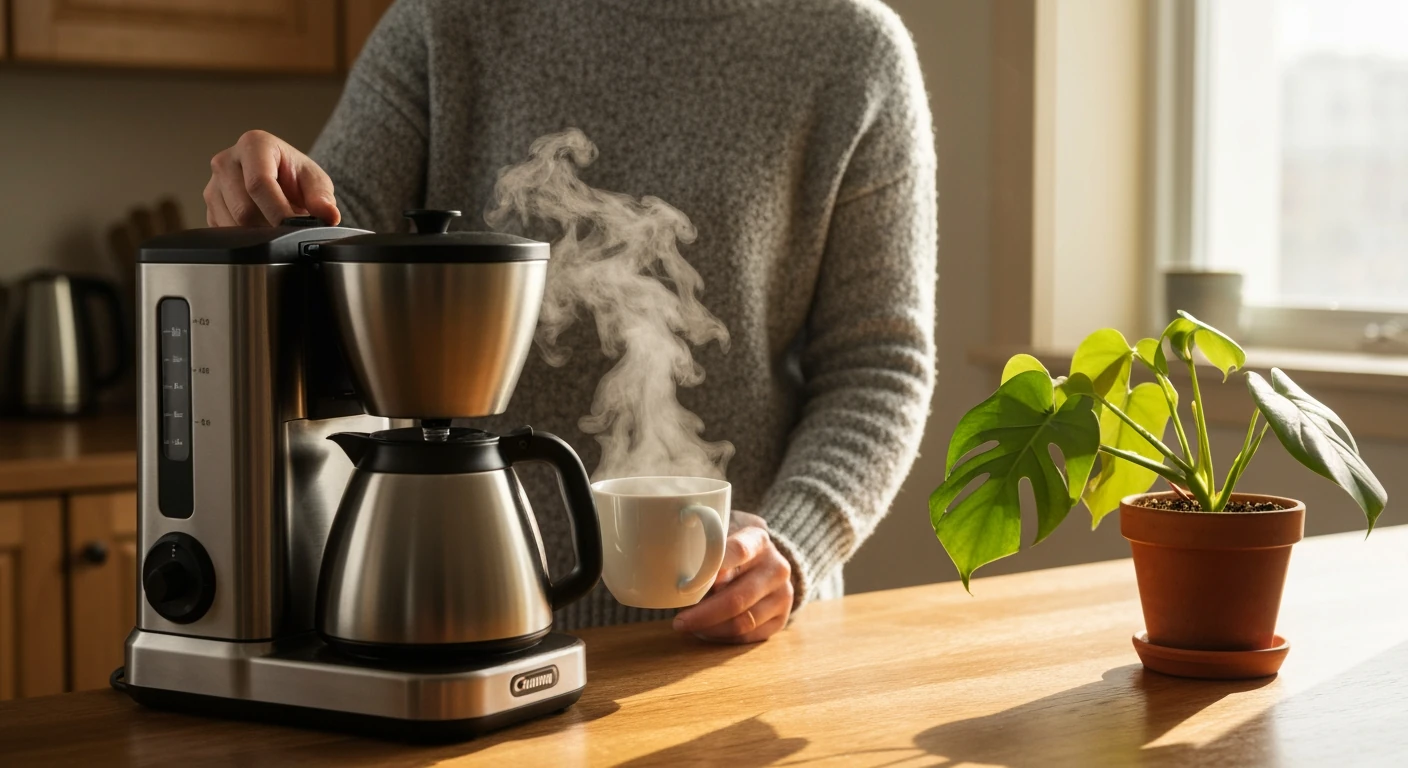
Maximizing Your Machine: Tips for the Perfect Cup
Owning a great coffee maker is only half the battle. The underrated factor here is technique. With a few simple adjustments, you can transform the output of almost any drip machine from merely acceptable to genuinely delicious, rivaling your favorite cafe’s brew. It’s not about expensive gadgets; it’s about understanding the fundamentals.
These small changes are the secret to a consistently amazing brew. They are foundational habits that can elevate your entire morning routine. Perfect coffee is within reach.
The Golden Ratio: Coffee to Water
The single most common mistake in home brewing is an incorrect coffee-to-water ratio. Too little coffee results in a weak, watery cup, while too much creates a bitter, over-extracted mess. The Specialty Coffee Association (SCA) suggests a “Golden Ratio” as a starting point: one part coffee to 18 parts water by weight. For those of us without a scale first thing in the morning, a simpler guideline is 1 to 2 level tablespoons of ground coffee for every 6 ounces of water.
Start with that measurement and adjust to your personal taste. If your coffee tastes weak, add a little more coffee next time while keeping the water amount the same. Think of it as finding the perfect recipe; a little testing makes all the difference in crafting one of those simple hacks for a brighter day. The data from numerous blind taste tests suggests that getting this ratio right has more impact on flavor than the machine’s price tag.
Grind Matters: Finding the Sweet Spot
Using pre-ground coffee is convenient, but grinding your beans just before brewing is a turning point for flavor. For most automatic drip machines, a medium grind size is the sweet spot. Imagine the consistency of coarse sand—that’s what you’re aiming for. Why does this matter so much? It all comes down to extraction time.
If your grind is too fine (like powder), the water will struggle to pass through, resulting in over-extraction and a bitter taste. If it’s too coarse (like chunky gravel), the water flows through too quickly, leading to under-extraction and a sour, weak cup. It’s a delicate balance. The ideal grind for your drip machine will be quite different from what’s needed for other methods, as anyone who has read an ultimate guide to cold brew can attest. Experiment with your grinder’s settings until you find what works best for your machine and your beans.
Required Cleaning and Maintenance
A dirty machine makes bad coffee. It’s that simple. Coffee oils accumulate over time, turning rancid and imparting a bitter, stale flavor to every new pot you brew. Your cleaning routine doesn’t have to be complicated, but it does need to be consistent. After each brew, rinse the carafe and the filter basket with warm water.
At least once a week, wash the carafe and filter basket with soap and water to remove any stubborn oily residue. This simple act of kitchen hygiene, much like the principles found in quick meal prep for a happier home, prevents flavor contamination and keeps your coffee tasting fresh. Some parts—check your manual—might even be top-rack dishwasher safe.
Descaling for Longevity
Beyond daily cleaning, your machine needs to be descaled regularly to remove mineral buildup from the water. This is especially true if you have hard water. This mineral scale, primarily calcium carbonate, can clog the internal components and, more importantly, affect the machine’s ability to reach optimal brewing temperature (around 195 to 205°F). A study by the Water Quality Association found that scale buildup can reduce appliance efficiency by up to 24%.
To descale, run a cycle with a 50/50 solution of white vinegar and water, followed by two full cycles of plain water to rinse out any residual vinegar taste. How often should you do this? Most manufacturers recommend every 1-3 months. This simple process not only improves the taste of your coffee but also significantly extends the life of your appliance, ensuring it performs well for years.
Beyond the Brew: Creative Uses for Your Drip Maker
Once you’ve mastered the perfect cup of coffee, your drip machine doesn’t have to sit idle for the other 23 hours of the day. Think of it less as a coffee maker and more as an automated hot water dispenser with some unique capabilities. This simple appliance is one of the most underrated tools in the kitchen, ready to help with more than just your morning caffeine fix.
The most obvious alternative use is for quick hot water. Forget waiting for the kettle to boil. You can run a cycle with just water to get a pot of perfectly hot liquid for tea, instant oatmeal, or even a quick cup of soup. This is one of those simple morning hacks that can shave precious minutes off your routine. What most people miss is how consistent the temperature is, which is often ideal for steeping delicate green or white teas without scorching the leaves.
Quick Hot Water for Other Beverages
Using your machine for hot water is straightforward. Simply fill the reservoir with fresh, cold water and run a brew cycle without any coffee grounds in the filter basket. In minutes, you’ll have a carafe full of hot water, typically heated to between 195 and 205 degrees Fahrenheit. A recent reader poll from Kitchen Gadget Monthly found that a surprising 18% of respondents regularly use their coffee makers this way.
This method is fantastic for preparing a quick afternoon tea or reconstituting dried foods. It’s also an excellent trick for making ramen or couscous without dirtying an extra pot. Just pour the hot water over your ingredients and let them steep. It’s a small step that simplifies your process.
Infusing Flavors and Spices
Here’s where things get really interesting. Your drip maker’s brew basket acts as a fantastic infuser. Instead of coffee grounds, you can fill the filter with other ingredients to create flavored liquids. For a cozy autumn drink, try placing mulling spices—like cinnamon sticks, cloves, and star anise—along with some orange peel in the basket and running water through it to make a base for spiced cider or mulled wine.
This technique opens up a range of possibilities that can help with quick meal prep ideas. You could create a simple vegetable broth by placing dried herbs, garlic powder, and onion flakes in the basket. The slow, steady drip of hot water extracts the flavors gently. The process is surprisingly similar to how cold brew works, just with heat—a concept familiar to anyone who’s made their own complete cold brew companion drinks. Just remember to run a few cleaning cycles with plain water afterward to avoid a future coffee that tastes faintly of chicken soup!
Your Morning Ritual, Redefined
Ultimately, the quest for the perfect drip coffee maker is about more than just the hardware. It’s about curating your morning ritual. Whether you find satisfaction in the simple reliability of a budget-friendly model or the precision of a high-end machine, the real achievement is transforming a routine necessity into a moment of personal enjoyment. The right appliance doesn’t just make coffee; it makes your day start on your own terms.
So, as you consider your next coffee maker, what kind of morning are you hoping to create? The answer will likely point you to the perfect machine, one that serves not just as a tool, but as a quiet partner in starting your day off right.
Frequently Asked Questions
What’s the ideal water temperature for drip coffee?
The ideal water temperature for drip coffee is between 195°F and 205°F (90°C to 96°C). This specific range is important for properly extracting the full flavor from the coffee grounds. Water that is too cool will result in weak, sour coffee, while water that is too hot can scald the grounds and produce a bitter taste.
How often should I clean my drip coffee maker?
For best results, you should rinse the carafe and filter basket after each use. A more thorough cleaning with soap and water should be done weekly to remove coffee oil buildup. It’s also critical to descale the machine every 1-3 months using a vinegar solution to remove mineral deposits that can affect temperature and flavor.
Can I use pre-ground coffee in any drip machine?
Yes, absolutely. All drip coffee makers are designed to work with pre-ground coffee, making it a convenient option. For optimal flavor, look for a medium grind size, as this provides the best balance of extraction for most machines. grinding whole beans just before brewing will always yield a fresher and more aromatic cup.
What’s the difference between a thermal and glass carafe?
A glass carafe sits on a hot plate, which keeps the coffee hot but can continue to ‘cook’ it, leading to a burnt or bitter taste over time. A thermal carafe is an insulated container that keeps coffee hot for hours without an external heat source, preserving the original flavor and freshness from the first cup to the last.
Are expensive drip coffee makers always better?
Not necessarily. Expensive machines typically offer superior build quality, longevity, and precise temperature control, which is important for coffee aficionados. a well-chosen mid-range model can produce excellent coffee that will satisfy most drinkers, especially when paired with quality beans and proper brewing techniques.