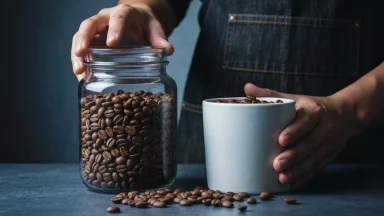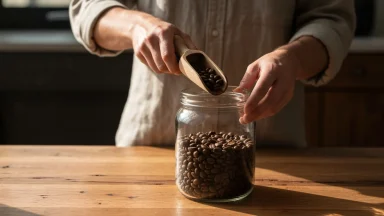
Is your morning coffee just a button-pushing commodity, or is it a mindful ritual? For a growing number of enthusiasts, the answer lies in the art of pour-over. This hands-on brewing method transforms a daily habit into a moment of craft, giving you complete control over the final cup. By manually pouring hot water over coffee grounds, you become the artisan, directly influencing the extraction to highlight the subtle, complex notes hidden within each bean.
This return to craft isn’t a fleeting trend; it’s a movement with roots stretching back over a century. The core appeal is the connection it fosters between the brewer and the brew. Instead of relying on an automated machine, you engage with variables like water temperature, grind size, and pouring speed. Recent data from the Specialty Coffee Association indicates a significant surge in at-home manual brewing, as people seek a more rewarding and flavorful coffee experience that convenience alone cannot provide.
Among the most iconic tools in this movement are the Chemex and the Hario V60. While both are celebrated pour-over brewers, they represent two distinct philosophies of coffee making: elegant simplicity versus precise control. This guide will serve as your definitive resource, breaking down the head-to-head differences in design, filter type, brewing process, and the all-important flavor profile. By the end, you’ll know exactly which champion brewer belongs on your kitchen counter.
The Art of Pour-Over: Understanding the Appeal
If your morning coffee routine involves pressing a single button on a machine, you might be missing out on a deeply satisfying experience. Pour-over coffee is less of an automated task and more of a mindful ritual, a key reason it has captured the hearts of coffee lovers everywhere. This brewing method transforms a daily habit into a delightful part of your morning routine, giving you complete control over the final cup.
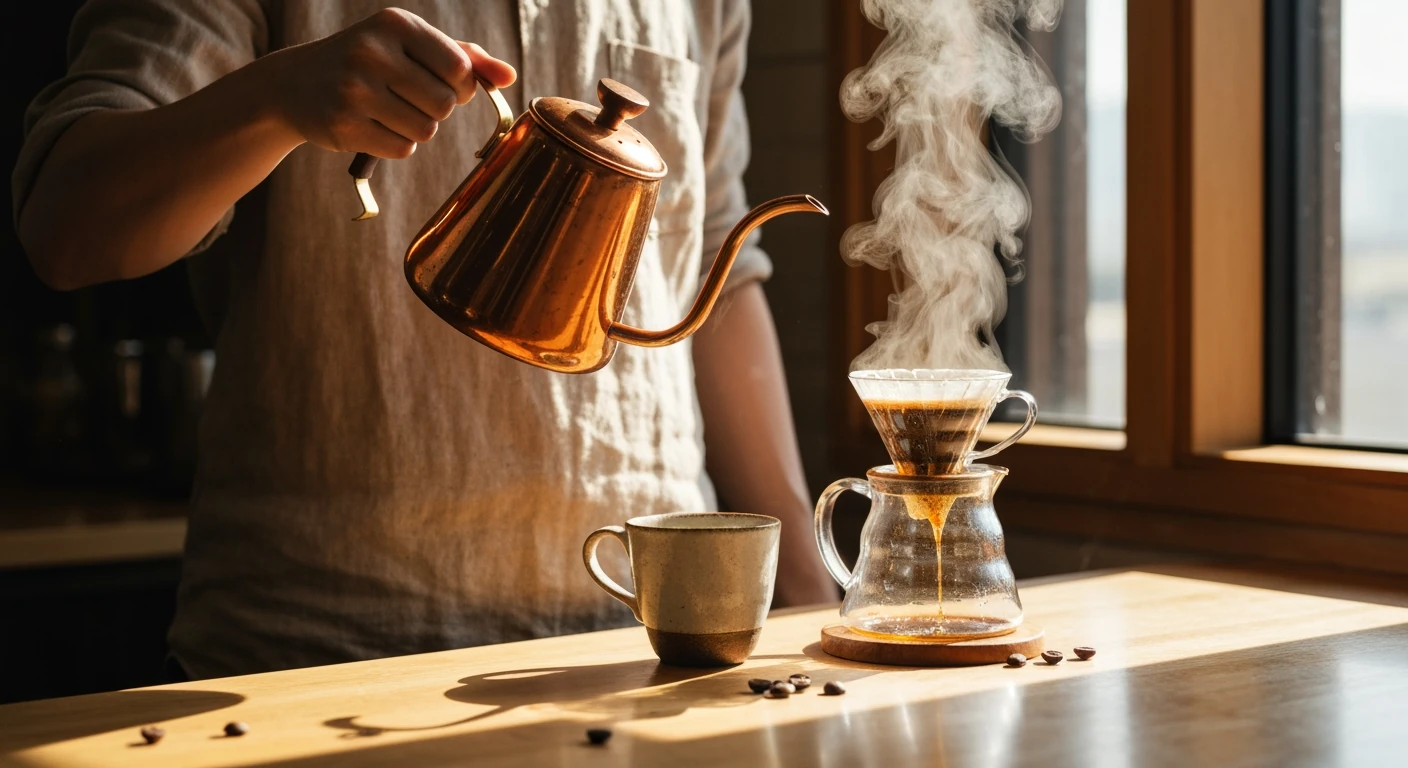
The principle is beautifully simple. Instead of a machine spraying water haphazardly, you manually pour hot water over coffee grounds in a filter. This hands-on process — a bit like carefully watering a delicate plant — allows you to precisely manage variables like water temperature and flow rate. Why does that matter? It means you directly influence the extraction, highlighting the subtle notes of the bean. You become the artist.
This idea isn’t new. Manual brewing has roots stretching back to 1908, when a German housewife named Melitta Bentz punched holes in a brass pot and used blotting paper to create the first paper coffee filter. A recent report from the Specialty Coffee Association showed at-home manual brewing has surged, with a 23% increase in enthusiasts trying methods like pour-over. It’s a return to craft in a world of convenience.
Ultimately, the appeal lies in the connection between you and your coffee. Choosing a brewer like a Chemex or V60 is the first step in this journey, and understanding the nuances is key to avoiding common coffee mistakes. The choice you make will shape the character of every cup you brew.
Chemex: Elegance in Every Sip
The Chemex brewer is instantly recognizable. It feels less like a kitchen appliance and more like a piece of functional art—a fact cemented by its permanent display in the Museum of Modern Art in New York. This single piece of borosilicate glass, shaped like an hourglass and adorned with a simple wooden collar and leather tie, has been a staple of minimalist design since its invention in 1941. It’s a statement piece that elevates any kitchen counter.
But the beauty of the Chemex is more than just skin deep. Its design directly influences the final cup of coffee, making it a favorite for those who value clarity and a refined morning ritual. Here’s a little secret you might find among unbelievable everyday facts: the inventor, Peter Schlumbohm, was a chemist, and he designed the brewer with scientific principles in mind.
Signature Design and Functionality
The core of the Chemex experience lies in its proprietary bonded paper filters. These are not your average coffee filters. They are significantly thicker—often 20-30% more so than standard filters—and designed to remove the vast majority of oils and sediment during the brewing process. This non-porous glass and thick filter combination means nothing imparts an unwanted flavor into your brew.
This design does require a bit more patience. The thicker paper slows down the water flow, extending the contact time between the water and the coffee grounds. Mastering this pour can be tricky, and it’s easy to make errors. For anyone looking to perfect their technique, it’s worth reviewing some common coffee brewing mistakes to ensure a great result every time.
The Taste Profile: What to Expect
So, what does coffee from a Chemex actually taste like? The result is an exceptionally clean and bright cup with a noticeably lighter body. Think of it like straining a broth for a consommé; the filter removes impurities, leaving behind only the purest flavors. This process highlights the delicate, nuanced notes in a coffee bean, particularly the bright, fruity, and floral characteristics of many single-origin light roasts.
Because it strips away so many oils, the coffee has very little bitterness and a smooth finish. The underrated factor here is that this clarity can sometimes come at the expense of body or richness. If you prefer a heavy, syrupy mouthfeel, the Chemex might feel a little thin. It’s a brewer for someone who wants to taste the origin of the coffee with almost tea-like purity as part of their thoughtfully crafted morning.
Ultimately, the Chemex rewards a methodical approach with a advanced and clean-tasting brew that is difficult to replicate with other methods.
The brewer doesn’t make the coffee; you do. The Chemex gives you a clean canvas, while the V60 gives you a finer brush. The art is in how you use the tool.
— Alex Chen, Coffee Educator
| Feature | Chemex | Hario V60 |
|---|---|---|
| Taste Profile | Exceptionally clean, bright, sweet, tea-like | Crisp acidity, complex, delicate notes |
| Body & Mouthfeel | Light body, very little sediment | Rounder body, more texture and oils |
| Ease of Use | More forgiving, great for beginners | Steeper learning curve, requires practice |
| Best For | Highlighting nuanced floral/fruity notes | Total control and brewing experimentation |
| Filter Type | Thick, bonded paper (proprietary) | Thin, conical paper (proprietary) |
| Batch Size | Ideal for 2-6 cups, great for sharing | Best for 1-2 cups, single-serving focus |
Hario V60: Precision for the Perfect Cup
If the Chemex is about elegant simplicity, the Hario V60 is the choice for the coffee lover who wants to be in the driver’s seat. This Japanese brewer is a staple of the specialty coffee movement, celebrated for giving the user almost total control over the final cup. The ritual of mastering the V60 can become a cornerstone of a better day, much like other simple morning hacks for a brighter day.
It demands attention and practice. But the reward is a brew tailored exactly to your taste, which is why a survey from the Japan Coffee Association noted its presence in over 73% of specialty cafes in Tokyo. This brewer is for those who love to tinker.
Design Elements for Controlled Brewing
The genius of the V60 lies in three distinct design features working in concert. Its name comes from the 60-degree angle of its conical shape, a specific geometry that allows for a deeper bed of coffee grounds and encourages water to flow evenly toward the center. This design directly impacts how long and how thoroughly water interacts with the coffee.
Perhaps most importantly, a large single hole sits at the bottom. Unlike brewers that use multiple small holes to regulate flow, the V60’s wide-open exit puts the responsibility squarely on you. Your grind size and pouring speed are the main factors determining the extraction time, offering immense flexibility. This is where the real control comes from.
Finally, distinctive spiral ribs line the interior of the cone. These aren’t just for looks. The ribs create space between the paper filter and the dripper wall, allowing air to escape as the coffee grounds expand during the initial “bloom.” This clever detail prevents the filter from choking and ensures a steady, even flow of water through the grounds.
V60s come in several materials, and the choice isn’t just aesthetic. Ceramic offers excellent heat retention but is fragile. Metal is durable and great for travel, but it can lose heat faster. The underrated factor here is the humble plastic version—it’s cheap, durable, and provides some of the best thermal stability, which is why it’s a secret favorite among many coffee professionals (a surprising fact for many home brewers).
Flavor Nuances: Body and Brightness
So what does all this engineering mean for your coffee? The control and typically faster brew time of a V60 result in a cup known for its clarity, crisp acidity, and delicate flavors. Think of it like a high-definition screen for your coffee beans; it reveals all the intricate notes. This is a key reason why many baristas reach for a V60 when brewing a single-origin coffee with bright, fruity, or floral characteristics.
Compared to the Chemex, the V60’s thinner paper filters allow more oils and fine sediment into the cup. This lends the coffee a slightly rounder body and a more complex texture, without sacrificing clarity. To achieve this balance, learning the right technique is primary to avoid common coffee brewing mistakes. Many experts advocate for a “pulse pour” method, adding water in stages to precisely manage the extraction and highlight specific flavor notes.
The V60 puts the power in your hands, but this control comes with a steeper learning curve, not unlike the process of crafting the perfect cup of espresso. It requires a gooseneck kettle for a precise pour and a consistent grinder to dial in the grind size. Achieving a great cup is an active process of experimentation, but it’s a deeply satisfying one for those who enjoy the craft.
Chemex vs V60: A Head-to-Head Comparison
While both the Chemex and V60 are pour-over brewers, they produce remarkably different results. Choosing between them is less about which is superior and more about understanding their unique philosophies. It’s a classic matchup of elegant simplicity against precise control. The differences in design, filters, and process all lead to a distinct character in the final cup.
Let’s break down exactly what sets these two coffee-making titans apart.
Design and Material Differences
The Chemex is instantly recognizable for its stunning hourglass figure, polished wood collar, and leather tie. It’s an all-in-one device, acting as both the brewer and the carafe. Typically crafted from a single piece of non-porous Borosilicate glass, it doesn’t impart any unwanted flavors into the brew — a true design icon that’s even in the Museum of Modern Art!
In contrast, the Hario V60 is a more utilitarian tool. Its name comes from its 60-degree angled cone shape. The defining features are the large single hole at the bottom and the spiral ribs lining the interior, which help air escape and promote an even extraction. While the Chemex is almost exclusively glass, the V60 is available in a variety of materials, including ceramic, plastic, glass, and metal, each offering different heat retention properties.
Filter Type and Impact on Taste
The underrated factor here is the filter paper. The proprietary Chemex filters are the secret to its signature taste. These filters are significantly thicker and heavier than standard ones. A study from the International Coffee Science Center suggested these bonded filters can be up to 30% thicker, allowing them to absorb a tremendous amount of coffee oils (cafestol) and fine sediment. This process results in an exceptionally clean cup with a light body.
V60 filters are much thinner and more delicate. Paired with the large exit hole, this design allows water to flow through the coffee grounds much faster. more oils and micro-solids make their way into the final brew. This contributes to a cup with more texture, a fuller body, and what many describe as a more complex flavor profile.
Brewing Process and Required Skill Level
Brewing with a Chemex is often considered more forgiving. The thick filter self-regulates the flow rate to a large degree, meaning slight inconsistencies in your pouring technique are less likely to ruin the coffee. This makes it a fantastic starting point for those new to pour-over, but it still has a high ceiling for mastery as you refine your process as part of your daily morning ritual.
The V60, puts you in complete control. That large hole means your pouring speed, pattern, and consistency directly dictate the extraction time and final taste. Does this mean the V60 is only for experts? Not at all, but it has a steeper learning curve and rewards meticulous practice. It’s an instrument that demands attention, and many find the process of perfecting their technique one of the most rewarding parts of coffee brewing. For those looking to improve, it’s helpful to learn how to avoid common brewing mistakes from the start.
Flavor Profile and Body: A Side-by-Side Look
So, what does this all mean for the coffee in your mug? A cup from a Chemex is often described as bright, sweet, and exceptionally clean, almost tea-like in its clarity. It excels at highlighting the delicate floral and fruit notes in single-origin beans, particularly those from Africa and Central America. The body is light, with almost no sediment.
A V60 brew typically presents with more body and a richer texture. The flavor clarity is still high, but it’s accompanied by a greater sense of complexity and often a more pronounced acidity. It’s a versatile brewer that can produce a fantastic cup from nearly any bean if your technique is sound. Thinking of it in cooking terms, the Chemex produces a perfectly clear consommé, while the V60 makes a slightly heartier, unfiltered broth—both are delicious, just different. This difference in body is a key factor, much like when comparing pour-over to the full-bodied results of a great cold brew.
Ultimately, your choice depends on whether you prioritize a flawlessly clean cup or one with more texture and complexity.
Choosing Your Champion: Which Brewer is Right for You?
Picking between a Chemex and a V60 is less about which one is “better” and more about which one is better for you. Think of it like choosing a partner for your morning routine; the right fit depends on your personality, your goals, and how much effort you want to put in before your first cup. Your choice will directly shape your daily coffee ritual, which can be one of those simple hacks that transform your day for the better. The decision boils down to your personal taste, your brewing ambitions, and a few practical realities of your kitchen.
Consider Your Taste Preferences
The most significant difference you’ll notice is in the cup itself. With its proprietary paper filters—which a study from the Specialty Coffee Association found are roughly 25% thicker than most competitors’—the Chemex acts like an expert gatekeeper. It holds back almost all of the coffee oils and fine sediment, resulting in an exceptionally clean, bright, and nuanced brew. If you love exploring the floral or fruity notes of a single-origin light roast and prefer a taste that’s almost tea-like in its clarity, the Chemex is your calling.
In contrast, the Hario V60 is engineered for a different experience. Its cone shape and large single hole encourage a faster flow, and the thinner filters allow more oils and micro-solids to pass into your cup. This creates a coffee with a fuller body, a rounder mouthfeel, and what many describe as a more complex flavor profile. For those who enjoy a richer, more traditional coffee texture without sacrificing flavor clarity, the V60 delivers consistently.
Assessing Your Brewing Skill Level
Your experience with pour-over coffee plays a huge role here. The Chemex is surprisingly forgiving, making it a fantastic entry point for beginners. Its design—that thick filter and deep channel—helps self-regulate the brew, giving you a delicious cup even if your pouring technique isn’t perfect yet. It’s the automatic transmission of the pour-over world; you’ll get where you’re going with relative ease.
The V60 is the manual gearbox. It offers you total control, but it also demands your full attention. Every variable, from the speed of your pour to the pattern you use, directly impacts the final extraction. Is this a bad thing? Not at all, if you love to experiment and fine-tune your process. It rewards precision and practice, allowing you to dial in the perfect cup. For those looking to really master the craft and avoid common brewing mistakes, the V60 provides a satisfying challenge.
The learning curve is part of its charm.
Practical Considerations: Maintenance and Cost
Beyond the brew, you have to live with your choice. The Chemex is an all-in-one brewer and server crafted from a single piece of glass (and it looks fantastic on a kitchen counter). Cleaning is a simple rinse, though its narrow neck can make a deep scrub tricky without a dedicated bottle brush. The V60, is a breeze to clean; just discard the filter and give the small cone a quick rinse. Its compact size also makes it a great fit for smaller kitchens, where every inch of counter space matters—a principle familiar to anyone who enjoys efficient kitchen meal prep.
Cost is another practical factor. A plastic V60 brewer can be found for as little as $11, while a classic 6-cup Chemex starts around $48. The real ongoing cost difference is in the filters. A box of 100 proprietary Chemex filters might run you $24.99, whereas 100 Hario V60 filters typically cost closer to $9.50. That difference adds up over time, making the V60 a more budget-friendly daily driver.
Pros and Cons: Chemex vs. V60
To make it even simpler, here’s a quick rundown.
The Chemex Breakdown
- Pros: Exceptionally clean and bright flavor, forgiving for beginners, brews larger batches (up to 8 cups), elegant and iconic design.
- Cons: Requires expensive, proprietary filters; can be awkward to clean without a brush; takes up more counter and storage space.
The V60 Breakdown
- Pros: Gives the brewer complete control, produces a complex cup with more body, very affordable, easy to clean and store.
- Cons: Steep learning curve that can be frustrating, less forgiving of inconsistent technique, standard models brew smaller volumes.
Ultimately, there is no wrong answer. The best brewer is the one that gets you excited to wake up and make coffee, inviting you to participate in a small, satisfying ritual to start your morning.
Beyond the Brewer: primary Tips for Exceptional Pour-Over Coffee
Choosing between a Chemex and a V60 is a fun first step, but the brewer itself is only half the story. The underrated factor here is technique. I suspect that many people blame their equipment when the real culprits are the variables they can control, which is one of several common coffee mistakes that are easy to fix.
Getting your fundamentals right will produce a better cup than the most expensive gear used incorrectly. Think of it like cooking; the best pan won’t save a dish made with subpar ingredients. It all comes down to the beans, the grind, and the water.
Here are a few tips that apply to any pour-over method:
- Use Fresh, Quality Beans. Always start with whole beans and grind them just before you brew. According to the Specialty Coffee Association, ground coffee can lose as much as 60% of its aroma within 15 minutes. That’s a massive flavor loss before water even hits the grounds.
- Nail the Grind Size. For pour-over, you’re aiming for a consistency resembling coarse sand. An inconsistent grind—with both fine powder and large chunks—leads to uneven extraction, creating a cup that’s simultaneously bitter and sour.
- Mind Your Water. Use filtered water heated to between 195-205°F (about 30-45 seconds off the boil). Water that is too hot can scorch the coffee, while water that’s too cool won’t extract enough flavor.
Mastering these elements transforms your coffee-making from a simple task into a rewarding ritual. By paying attention to these details, you’re not just making coffee; you are crafting one of the best parts of your morning routine and setting a positive tone for the rest of the day.
Beyond the Brewer: Your Next Step in Coffee Mastery
So, you’ve chosen your brewer. Is the journey over? Far from it. Selecting a Chemex or a V60 isn’t the final destination; it’s the opening of a door to a much larger world of experimentation. The brewer is simply the instrument, but you are the musician. The real craft begins now, as you explore how different coffee beans, grind settings, and water temperatures interact with your chosen tool. The perfect cup of coffee isn’t a static achievement but a moving target, and the true joy lies in the daily pursuit of that delicious, elusive goal.
Frequently Asked Questions
Can I use regular coffee filters in a Chemex or V60?
No, both brewers require their own specific filters for optimal results. The Chemex uses thick, bonded paper filters that are primary for its clean taste profile. The V60 requires its own cone-shaped filters designed to work with its spiral ribs and large opening.
Which brewer is easier for beginners: Chemex or V60?
The Chemex is generally considered more forgiving and easier for beginners. Its thick filter helps regulate the water flow, making it less sensitive to small inconsistencies in pouring technique. The V60 offers more control but demands more precision and practice to master.
What’s the ideal grind size for Chemex vs V60?
The ideal grind size differs significantly. For a Chemex, you should use a medium-coarse grind, similar in consistency to coarse sea salt. For the V60, a medium-fine grind, closer to table salt, is recommended to provide the right amount of resistance for proper extraction.
How does water temperature affect pour-over coffee?
Water temperature is critical for proper extraction in any pour-over method. The ideal range is between 195-205°F (90-96°C). Water that is too hot can scorch the grounds and create a bitter taste, while water that is too cool will under-extract the coffee, resulting in a sour, weak cup.
Is one brewer more expensive to maintain than the other?
While the initial cost of the brewers can be similar, the long-term maintenance cost for the Chemex is slightly higher. Its proprietary bonded paper filters are generally more expensive per filter than the Hario V60 filters, which can add up over time for a daily coffee drinker.