
The United States looms large in the imagination of travelers worldwide—a vast collage of iconic cities, breathtaking national parks, and diverse cultures. Many dream of that quintessential American road trip or a whirlwind tour of its famous landmarks. Yet, this dream can quickly sour when met with the unexpected realities of navigating the country. Simple mistakes, born from underestimating its sheer scale or misunderstanding its unique customs, can turn a dream vacation into a series of expensive and frustrating blunders.
What many international visitors don’t realize is that common sense from back home doesn’t always apply here. The financial and logistical landscape is different, from a tipping culture that directly impacts workers’ wages to a healthcare system that can be financially devastating without the right insurance. Distances on a map are deceptive, traffic laws change from state to state, and social norms can feel worlds apart from what you’re used to. These aren’t just minor inconveniences; they are potential pitfalls that can drain your budget and your enthusiasm.
This guide is designed to be your trusted co-pilot, steering you clear of those common travel traps. We’ll break down the essentials of pre-trip planning, including visa requirements and the non-negotiable need for travel insurance. You’ll learn how to master American transportation, from decoding road rules to avoiding hidden rental car fees. we’ll demystify money matters like tipping and smart spending, explain key cultural customs to help you blend in, and outline the key steps for staying safe and healthy on your journey. Think of this as the insider knowledge you need to travel smarter, not harder.
Before You Go: Pre-Trip Planning Essentials
Successful travel planning is a lot like good cooking. Just as you wouldn’t start a complex recipe without all your ingredients, you shouldn’t begin a trip without your core details sorted out. Thinking ahead with your travel planning US strategy transforms a potentially chaotic experience into a smooth and enjoyable one. These early steps are your best defense against last-minute headaches.
This isn’t about scheduling every minute. It’s about building a solid foundation so you can be spontaneous later. A little work upfront saves a world of trouble.
Visa & Documentation: What You Need to Know
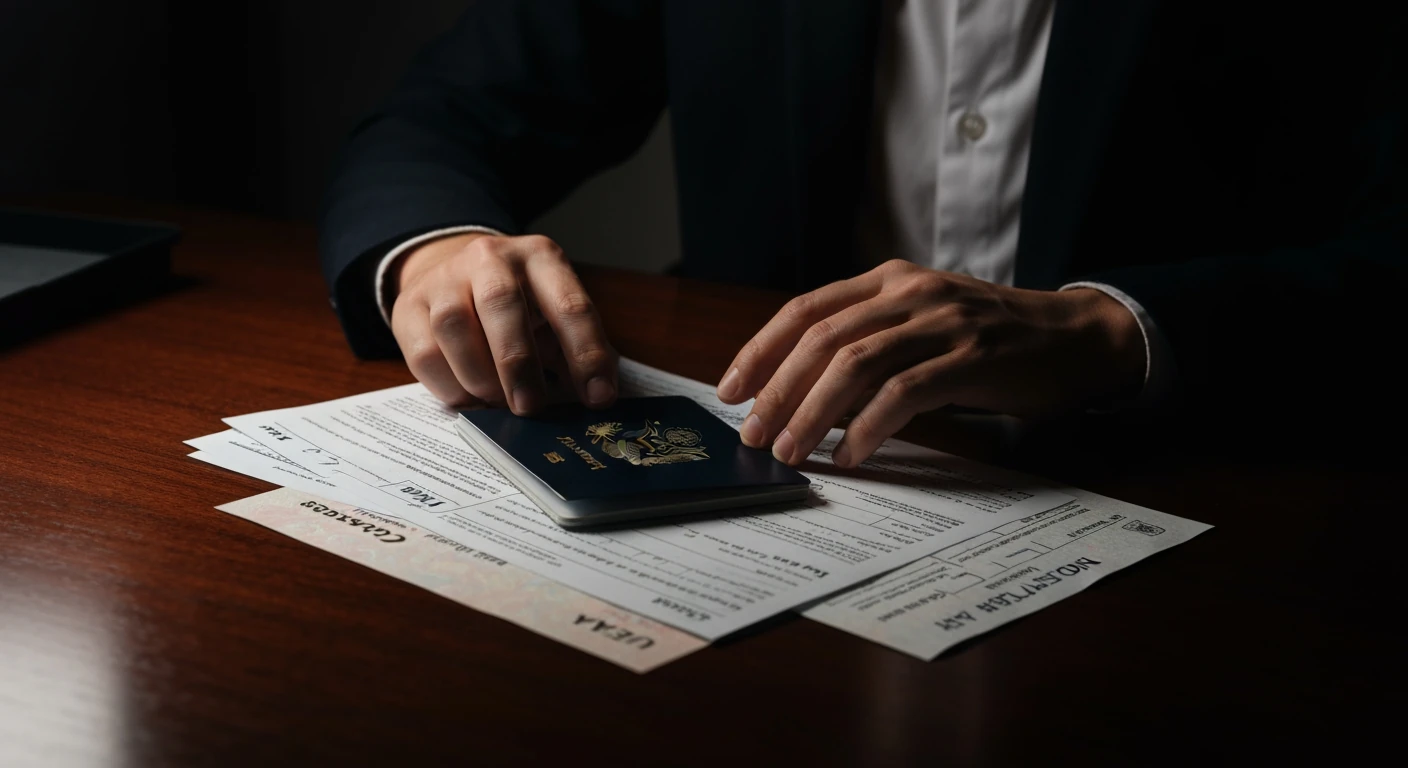
Before you book a single flight or hotel, your first stop should be checking the official U.S. Department of State website for entry requirements. For many travelers, the Electronic System for Travel Authorization (ESTA) is sufficient, but this isn’t universal. Depending on your country of citizenship and the purpose of your visit, you might need a full visitor visa, which involves a much longer application process.
Don’t leave this to chance. According to State Department data, visa processing times can vary from a few weeks to several months. The underrated factor here is that rules can change with little notice. What if you assume you’re eligible for an ESTA, only to find out you need a visa two weeks before your flight? That’s a recipe for a canceled vacation. Confirming your visa requirements is the absolute first step.
Securing Your Trip: The Value of Travel Insurance
Next on the list is something many travelers debate: travel insurance. Think of it as a safety net for your investment. It protects you not only from trip cancellations but also from shockingly high medical costs in the U.S. A simple visit to an emergency room for a minor issue can easily cost thousands of dollars, a fact that surprises many international visitors. A recent analysis from the U.S. Travel Insurance Association found that the average claim for overseas medical support was over $2,100.
You can find basic policies for a fraction of your total trip cost. It’s a small price for significant peace of mind. Some of the best wisdom for your US journey is simply being prepared for the unexpected.
To keep things simple, here are the non-negotiable tasks to tackle before you get too deep into planning:
- Check Your Passport: Ensure it’s valid for at least six months beyond your planned departure date.
- Verify Entry Requirements: Apply for your ESTA or visa as soon as your travel dates are even tentatively set. Some of the rules can be as surprising as some unbelievable everyday facts.
- Purchase Travel Insurance: Do this right after booking your flights or accommodation to get the most coverage.
- Draft a Basic Itinerary: You don’t need every detail, but knowing your main cities and travel dates helps. This is especially important for multi-state trips.
- Set a Budget: Much like you might plan your meals for the week with kitchen prep secrets, outlining your travel funds prevents overspending.
With these essentials handled, you’ve officially moved beyond the “dreaming” phase and are now actively—and smartly—building your adventure.
Navigating American Transportation: From Roads to Airports
Once your paperwork is in order, the real adventure begins with figuring out how to move across the vast expanse of the United States. Transportation choices can make or break your trip, influencing your budget, schedule, and overall experience. From iconic road trips to bustling airport hubs, understanding the system is the first step toward a smooth journey.
The sheer scale of the country often surprises visitors. What looks like a short hop on a map can be a full day of driving, so choosing your mode of transport requires careful thought. This isn’t like hopping on a train in Europe; distances are significant and public transit outside of major city centers is often limited.
On the Open Road: Driving in the USA
For many, the quintessential American vacation involves a car and an open road. Driving offers unparalleled freedom to explore at your own pace, detour to quirky roadside attractions, and see the landscape. But this freedom comes with responsibilities, especially when navigating unfamiliar rules and massive highway systems.
Understanding Traffic Laws and Signage
American driving laws can be surprisingly complex, as they vary significantly from state to state. A maneuver that is perfectly legal in California might get you a ticket in Oregon. One of the most common points of confusion is the “right turn on red” rule, which is permitted in most places after a complete stop, unless a sign specifically prohibits it. Speed limits also change frequently, not just at state lines but between urban and rural areas.
Pay close attention to signage. School zones have drastically reduced speed limits during specific hours, and violations come with hefty fines. Another quirk is the four-way stop, where the first vehicle to arrive has the right-of-way. It’s one of those unbelievable everyday facts of American driving culture that relies entirely on driver cooperation. Applying some primary wisdom for your US journey means always being observant and cautious, especially in your first few days behind the wheel.
Car Rental Secrets: Avoiding Hidden Fees
Booking a rental car online often presents a temptingly low price, but the final bill can tell a different story. The underrated factor here is the mountain of optional add-ons and fees pushed at the rental counter. A survey from the American Car Rental Association suggests that supplemental fees for insurance, GPS units, and toll passes can inflate the final cost by an average of 38%.
Do you really need that expensive Collision Damage Waiver (CDW)? Many personal credit cards already offer rental car insurance as a perk, so check your cardholder benefits before you travel. Your smartphone’s map app is almost certainly better than the outdated GPS unit they offer for $15 a day. Be firm and politely decline unnecessary extras. Your budget will thank you.
Airport Etiquette and Security
If your trip involves covering long distances, you will likely find yourself in an American airport. Domestic air travel is a common way to hop between regions, but the airport experience can be a source of major stress. Major hubs like Atlanta (ATL) or Los Angeles (LAX) are practically small cities, and navigating them requires patience and planning.
The security screening process, managed by the Transportation Security Administration (TSA), is a procedure you’ll want to master. It operates a bit like an assembly line for people: have your ID and boarding pass ready, remove laptops and large electronics from your bag, and place liquids (under 3.4 ounces or 100 milliliters) in a clear bag. Waking up for an early flight is never fun, but employing some simple morning hacks can at least make the process feel less frantic.
TSA PreCheck and CLEAR: Are They Worth It?
You’ll see dedicated lanes for TSA PreCheck and CLEAR, two popular expedited screening programs. PreCheck allows eligible, low-risk travelers to go through a faster security line without removing shoes, belts, or laptops. CLEAR uses biometrics (your eyes and fingerprints) to verify your identity, letting you skip the ID check part of the line.
But are they a good investment for a short-term visitor? For most international tourists, the answer is likely no. Both programs carry an annual fee and require an in-person enrollment process that can be inconvenient. While a frequent domestic flyer might save dozens of hours a year, the cost and hassle probably outweigh the benefit of skipping the line once or twice on a single vacation.
Ultimately, your transportation choices dictate the pace and texture of your American holiday, setting the stage for the memories you’ll make along the way.
The costliest travel mistakes are rarely logistical; they are cultural. Failing to understand local etiquette doesn’t just cause embarrassment, it closes the door to the authentic human connection that makes travel worthwhile.
— Maria Jensen, Lead Editor at Global Wanderer Magazine
| Common Blunder | Why It’s a Problem | Smart Solution |
|---|---|---|
| Skipping Travel Insurance | The US healthcare system is extremely expensive; a minor emergency can cost thousands of dollars out-of-pocket. | Purchase comprehensive travel insurance that includes medical coverage immediately after booking your trip. |
| Underestimating Distances | What looks like a short drive on a map can be an 8-10 hour journey, leading to rushed schedules and exhaustion. | Use Google Maps to check driving times, not just distances. Plan for fewer locations to explore them more thoroughly. |
| Misunderstanding Tipping | Tipping is not optional; service staff in restaurants and other industries rely on tips as a major part of their income. | Budget 15-20% of your pre-tax bill for restaurant service and follow standard rates for other services like bartending and housekeeping. |
| Ignoring State-Specific Driving Laws | Traffic rules, such as ‘right turn on red’ and speed limits, can vary significantly between states, leading to fines. | Before driving in a new state, do a quick search for its basic traffic laws. Always prioritize observing road signs over assumptions. |
Money Matters: Budgeting and Spending Wisely
Navigating the financial side of a US trip can feel like a separate journey in itself. A little planning goes a long way in preventing your travel budget from mysteriously disappearing. Creating a loose daily spending plan, much like you might with quick meal prep at home, prevents sticker shock and allows you to focus on the experience. The key is to understand a few local customs around money before you even leave home.
Demystifying Tipping Culture
For many visitors, the American tipping system is the most confusing financial hurdle. Unlike in many countries where it’s a small bonus for exceptional service, in the United States, tipping is standard practice and often makes up a significant portion of a service worker’s income. In fact, federal law allows employers to pay tipped employees a base wage as low as $2.13 per hour, with the expectation that tips will bring them up to the full minimum wage. It’s one of those unbelievable everyday facts that changes how you view a transaction.
So, when and how much should you tip? While it varies by service and region, a general guide can save you from awkward moments. Consider this a basic cheat sheet:
| Service Provider | Standard Tip Amount |
|---|---|
| Restaurant Server | 15-20% of the pre-tax bill |
| Bartender | $1-2 per drink or 15-20% of the tab |
| Hotel Housekeeping | $2-5 per night, left daily |
| Taxi or Rideshare Driver | 10-15% of the fare |
| Valet Parking Attendant | $2-5 when your car is retrieved |
These figures are a great starting point for your trip.
Smart Spending: Cards vs. Cash
Deciding between credit cards and cash is a balancing act. Credit and debit cards are accepted almost everywhere, offering security and convenience. Before you travel, inform your bank of your trip dates to avoid having your card frozen for suspicious activity. Also, check if your card charges a foreign transaction fee, which typically adds about 3% to every purchase you make. That can add up quickly.
Carrying some cash is always a good idea. It’s perfect for smaller purchases from street vendors, paying tolls on certain roads, and especially for leaving tips for housekeeping or valets. Think of it as your financial toolkit; you have your main tool (the card) and a few specialized gadgets (cash) for specific jobs. This hybrid approach is one of the top pieces of wisdom for any US journey, ensuring you’re prepared for any situation without carrying a huge wad of bills.
Cultural Faux Pas: Blending In with American Customs
Navigating American culture can sometimes feel like learning a new dance. What most people miss is that many social rules are unspoken. For example, personal space is highly valued. A study from the University of California suggests that most Americans maintain a conversational distance of about 2 to 3 feet, so standing too close might feel intrusive. This isn’t personal; it’s a cultural default setting.
This directness extends to communication. Americans often get straight to the point, which can be mistaken for abruptness. But it’s usually just a preference for clarity. You’ll also encounter a lot of casual friendliness and small talk, especially from service workers. Questions like “How are you today?” are genuine pleasantries. A simple “I’m doing great, thanks!” is a perfect response. It is one of those surprising cultural facts that makes interactions feel welcoming.
Dining out comes with its own set of customs. Servers might bring the bill before you request it — this isn’t a rush, but an attempt at efficiency. Don’t be surprised by the large portion sizes either. It’s completely normal to ask for a to-go box for leftovers, which ties into the smart food planning seen in many home cooking strategies.
Observing these small norms can make your interactions smoother and more enjoyable. It’s a key part of the experience, especially if you are embarking on a long journey and want to collect positive memories. These little adjustments are some of the best pieces of wisdom for your US journey. Ultimately, showing respect for local customs opens the door to more meaningful connections.
Health & Safety: Staying Well and Secure Abroad
Navigating health and safety in the United States requires some preparation, primarily because of its healthcare system. Medical care is exceptionally expensive for those without insurance. According to the Kaiser Family Foundation, a single day in a U.S. hospital can average over $2,800, a figure that is one of those unbelievable everyday facts for many international visitors. Your home country’s public health plan almost certainly won’t cover you here.
For this reason, securing full travel insurance before your trip is not just a suggestion; it is necessary.
Beyond healthcare, general safety involves being aware of your surroundings, just as you would in any major city. What’s the best way to handle an emergency? For any life-threatening situation—such as a medical crisis, fire, or a crime in progress—the universal emergency number to dial is 911. Operators can dispatch police, firefighters, or an ambulance. It’s a simple system that works nationwide.
The underrated factor here is preparing for non-critical issues. Having the contact information for your country’s nearest embassy or consulate written down (not just stored on your phone) is a piece of necessary wisdom for your journey. They can assist with lost passports and other consular matters. This simple step provides a key safety net, allowing you to handle unexpected hiccups without derailing your entire vacation.
Maximizing Your Experience: Beyond the Tourist Traps
Once the logistics of safety and planning are handled, the real adventure begins. It’s easy to follow the crowds to the same famous landmarks, snapping the same photos as millions before. The memorable moments, often happen when you step away from the queue and into the rhythm of local life. This is where a trip becomes a story.
Avoiding the obvious tourist magnets doesn’t mean skipping iconic sights altogether. Instead, it’s about balancing them with authentic experiences that provide a genuine feel for a place. It’s the difference between eating at a global fast-food chain in New York City and finding a family-run deli that has been serving the neighborhood for 50 years.
Discovering Hidden Gems and Local Flavors
The soul of a city is often found in its food, far from the polished tourist-centric restaurants. Exploring local markets, trying street food from a popular cart, or asking a shopkeeper for their favorite lunch spot can lead to culinary discoveries. This approach not only results in better meals but also supports the local economy directly. A study by the American Independent Business Alliance revealed that for every $100 spent at a local business, roughly $68 stays in the community, compared to just $43 for a large national chain.
But how do you find these places? Look for restaurants with menus that aren’t translated into five languages or spots with a line of locals out the front. Dining like a local can be as rewarding as any museum visit, much like how learning some quick meal prep secrets transforms your relationship with your own kitchen. Think of it as an interactive exhibit on culture. Your taste buds will thank you.
Utilizing Local Resources and Apps
Your smartphone is a powerful tool for discovery, but don’t just rely on mainstream review apps, which can be dominated by tourist traffic. Dig deeper. Local blogs, city-specific subreddits, and community Facebook groups are treasure troves of information about neighborhood festivals, farmers’ markets, and pop-up events that rarely appear in guidebooks.
The underrated factor here is the human element. Step into a local library or community center and look at the bulletin boards. Chat with the barista at an independent coffee shop. What most people miss is that these individuals are often the most passionate advocates for their community. It’s one of those unbelievable tidbits of travel wisdom that the best advice often comes from a quiet conversation rather than a flashy brochure.
Engaging Respectfully with Communities
Entering a local space as a traveler is like being a guest in someone’s home. The key is to act with curiosity and respect. This means observing local etiquette—from how you queue to acceptable noise levels in public. If you’re photographing a lively street scene, be mindful of people’s privacy and ask for permission before taking close-up shots of individuals, especially children.
A little effort goes a long way. Learning simple phrases like “hello,” “please,” and “thank you” is a universal sign of respect. This simple act acknowledges that you are a visitor in their world and appreciate their hospitality. It opens doors and turns transactional encounters into genuine human connections.
Volunteering and Cultural Exchange Opportunities
For a deeper connection, consider dedicating a small portion of your trip to giving back. This doesn’t require a long-term commitment. Many destinations have organizations that welcome short-term volunteers for activities like a beach cleanup, a day at an animal shelter, or helping out at a community garden. It’s an amazing way to meet locals who share your interests.
Platforms like Workaway or WWOOF (World Wide Opportunities on Organic Farms) can connect you with hosts for cultural exchange, often involving a few hours of help per day in exchange for lodging. Dr. Elena Vance, a sociologist specializing in tourism, explains, “Authentic travel isn’t about finding a place untouched by the outside world; it’s about making a genuine, respectful connection with the people who call that place home.” These opportunities are especially powerful during a long cross-country road trip, where you have more time to immerse yourself in a single location before moving on. The memories from these interactions often become the most cherished souvenirs.
Beyond the Checklist: Traveling with Intent
Ultimately, avoiding travel blunders in the United States isn’t about memorizing a list of rules. It’s about shifting your mindset from that of a passive tourist to an engaged and aware traveler. Understanding tipping culture isn’t just about saving yourself from an awkward moment; it’s about acknowledging the economic reality for service workers. Grasping the country’s vastness isn’t just a logistical challenge; it’s an invitation to travel more deeply and intentionally, rather than just skimming the surface. What if the goal wasn’t just to ‘see’ America, but to understand it, even just a little bit better? By embracing its complexities, you don’t just avoid pitfalls—you unlock a far richer and more authentic experience.
Frequently Asked Questions
What are the most common mistakes international travelers make in the US?
The most common mistakes include underestimating the vast distances between cities, leading to unrealistic itineraries. Many also misunderstand the tipping culture, which is primary for service workers, and fail to secure adequate travel insurance, leaving them vulnerable to high medical costs.
How can I save money on accommodation and food in the United States?
To save money, book accommodations well in advance and consider staying just outside of major city centers. For food, mix restaurant meals with visits to grocery stores for breakfast items and snacks. Eating lunch as your main meal out can also be cheaper than dinner.
Is it necessary to rent a car for traveling across the US?
A rental car is almost necessary for exploring national parks and areas outside of major metropolitan hubs. within large cities like New York, Chicago, or San Francisco, a car is often an expensive inconvenience due to traffic and parking. Use public transportation or ridesharing in cities.
What should I do if I have a medical emergency while visiting the US?
For any life-threatening emergency, call 911 immediately for an ambulance and police or fire services. As soon as the situation is stable, contact your travel insurance provider’s 24/7 assistance line. They will help coordinate with the hospital regarding payment and care.
How much should I budget for a typical US vacation?
A budget can vary widely, but a mid-range traveler might plan for $150-$300 per person per day. This covers accommodation, food, local transport, and some activities. This figure can be much higher in expensive cities or lower if you are staying in hostels and self-catering.