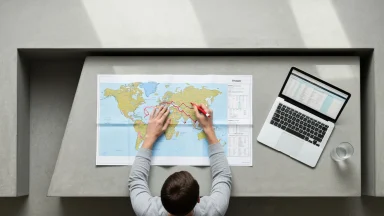
The call of the open road is a quintessential American dream—a ribbon of asphalt stretching toward the horizon, promising freedom, discovery, and a playlist of classic tunes. It’s an image romanticized in countless films and books. Yet, the reality of a successful road trip lies not just in spontaneity, but in the thoughtful preparation that happens before the keys even enter the ignition. A journey of thousands of miles can be made or broken by details as small as a forgotten phone charger or as large as an overly ambitious driving schedule.
Embarking on a road trip across the United States is more than just a vacation; it’s a deep dive into the country’s vast and varied soul. You’re not just moving from Point A to Point B; you’re tracing the lines of history along old highways, tasting the unique flavors of regional diners, and witnessing the dramatic shifts in landscape, from sun-scorched deserts to misty mountain passes. This kind of travel presents a unique set of logistical challenges that, when properly managed, become part of the adventure itself rather than sources of stress.
So, how do you transform the dream into a smooth reality? This guide serves as your full playbook. We’ll explore the art of crafting a flexible itinerary that balances must-see sights with room for discovery. You’ll learn how to pack for comfort and emergencies, turning your vehicle into a reliable mobile base camp. we’ll uncover strategies for finding authentic local food, staying safe on long hauls, and capturing memories that will last a lifetime. Consider this your co-pilot for the adventure ahead.
Mapping Your Masterpiece: Crafting the Perfect Itinerary
The secret to a memorable road trip isn’t just the destination; it’s the journey itself. A well-thought-out itinerary acts as your adventure’s blueprint, turning a simple drive into a curated experience. It’s the difference between aimless wandering and purposeful discovery. This plan doesn’t have to be rigid—in fact, it shouldn’t be—but having a framework for your days prevents stress and decision fatigue on the road.
Think of it like planning your week’s meals. Just as following some quick meal prep secrets saves you time and stress, a little forethought for your trip ensures you’re spending your energy on enjoyment, not logistics. The goal is to balance scheduled sights with the freedom to chase a random sunset down a country lane. This is your story to write.
Choosing Your Adventure Arc
Before you even look at a map, decide on the theme of your trip. Are you seeking the salty air of a coastal highway, the quiet grandeur of national parks, or a quirky tour through small-town America? Defining this “adventure arc” helps narrow down your options from infinite to manageable. It provides a narrative thread that connects each stop, making the trip feel cohesive.
Your theme will dictate the pace and feel of the entire journey. A trip focused on historical sites will involve more walking and museum time, while a nature-focused adventure might prioritize early morning hikes. This early decision is surprisingly critical, as it sets the tone for everything that follows.
Coastal Cruise vs. Mountain Majesty
Choosing your primary landscape is a major fork in the road. A coastal drive, like California’s Highway 1, offers dramatic ocean views, charming seaside towns, and fresh seafood. The trade-off is often more traffic and a need to book accommodations further in advance. These routes are about the rhythm of the waves and the constant, beautiful horizon.
A mountain journey through areas like the Rockies or the Appalachians provides solitude, stunning elevations, and a sense of rugged exploration. The driving can be more challenging, with winding roads and variable weather. What most people miss is how a mountain trip forces a slower pace, inviting you to connect more deeply with your surroundings and perhaps uncover some unbelievable facts about the local geology.
Optimizing Drive Times and Rest Stops
One of the most common rookie mistakes is trying to cover too much ground too quickly. A recent study by the American Automobile Association (AAA) found that driving more than eight hours a day significantly increases driver fatigue and decreases trip satisfaction. The sweet spot, the data suggests, is between four to six hours of driving per day. This leaves ample time for spontaneous stops, long lunches, and actually experiencing the places you pass through.
When plotting your route, use a mapping tool to get a baseline for travel time, then add at least 25% to that estimate. This buffer accounts for traffic, construction, and those can’t-miss photo opportunities. Remember, the goal isn’t to get there as fast as possible; it’s to enjoy the ride.
The Power of the Pit Stop
A pit stop should be more than just a gas-and-go. Treat these breaks as mini-adventures. Look for local parks for a picnic lunch, quirky roadside attractions for a fun photo, or a small-town coffee shop for a better brew. Planning for meaningful breaks is just as important as planning your overnight stays (and helps keep everyone in the car happy).
These small interludes break up the monotony of the highway and often become the most cherished memories. How else would you discover the world’s largest ball of twine? These stops infuse your journey with personality and local flavor.
Digital Tools for fluid Navigation
Modern mapping apps are valuable for road trip planning. Tools like Google Maps or Waze allow you to plot multiple stops, check for traffic in real-time, and discover points of interest along your path. A key feature for any road warrior is the ability to download maps for offline use. Large parts of the United States, especially in national parks and rural areas, have spotty or non-existent cell service. Having your route saved to your device prevents a major headache.
Beyond navigation, consider apps for finding gas stations, booking last-minute hotels, or discovering local restaurants. Organizing your digital toolkit is a bit like setting up your morning news feed; finding the best apps for the job makes the whole process smoother. Before you leave, create a checklist for your itinerary:
- Main Destinations: List your must-see anchor locations.
- Overnight Stops: Pre-book or at least identify towns for each night.
- Daily Drive Time: Keep it under six hours where possible.
- Key Attractions: Note 1-2 points of interest between major stops.
- Flex Day: Build in at least one day with no set plans for spontaneity.
- Offline Maps: Download the entire route area before you lose service.
With a flexible plan and the right tools, you’re not just following a map—you’re charting a course for an unforgettable experience.
Packing Smart: Road Trip Essentials Beyond the Obvious
Once your route is mapped out, the next phase of planning begins: packing. While you’ve certainly thought about clothes and toiletries, a successful road trip hinges on the items you pack for the car itself. It’s about creating a comfortable, safe, and convenient environment for those long hours on the road. Think of it less like packing a suitcase and more like setting up a temporary mobile command center.
The real difference between a good trip and a great one is often found in the small things. Being prepared for boredom, messes, and minor inconveniences makes the journey smoother. It keeps everyone happy.
The Ultimate Comfort & Convenience Kit
For the hours spent cruising down the highway, comfort is king. Beyond a simple neck pillow, consider a small fleece blanket for passengers who get chilly with the AC on. A car-specific trash can with a lid—a true major shift for keeping the car from looking like a disaster zone—is another item most people don’t think of until it’s too late. An organizer that hangs over the back of a seat can hold tablets, books, charging cables, and water bottles. But who wants to be digging for a charging cable under the seat while going 65 mph?
Entertainment and snacks are equally vital. Pre-downloading playlists, podcasts, and audiobooks is a must for areas with spotty service. You can even quiz each other on unbelievable everyday facts to make the miles fly by. For food, the underrated factor here is having a dedicated “snack bag.” Instead of greasy chips, focus on items that provide lasting energy. Many quick meal prep ideas can be adapted for the road, like pre-cut veggies with hummus, hard-boiled eggs, or homemade trail mix.
- Must-Haves: Portable power bank, car phone mount, wet wipes, and a well-stocked snack bag.
- Nice-to-Haves: Backseat organizer, small blanket, travel mug, and a car trash can.
Emergency Preparedness: Better Safe Than Sorry
Now for the serious stuff. While no one wants to think about a breakdown, being unprepared can turn a minor issue into a trip-ruining event. According to a recent report from the American Automobile Association (AAA), over 30 million drivers in the US require roadside assistance annually. A basic emergency kit is non-negotiable.
This should be your top priority before you even pack your clothes.
At a minimum, your kit should contain jumper cables, a flashlight with extra batteries, a basic first-aid kit, and reflective triangles or flares. I also suggest adding a tire pressure gauge and a portable tire inflator that plugs into your car’s power outlet. A multi-tool and a roll of duct tape can also prove surprisingly useful for temporary fixes. Checking that your spare tire is properly inflated before you leave is a simple step that is often forgotten. These items don’t take up much space, but their value is immeasurable when you need them.
A journey is a person in itself; no two are ever alike. And all plans, safeguards, policies and coercion are fruitless. We find after years of struggle that we do not take a trip; a trip takes us.
— John Steinbeck, Travels with Charley: In Search of America
| Key Area | Expert Tip |
|---|---|
| Itinerary Planning | Limit daily driving to 4-6 hours and add a 25% time buffer for traffic and spontaneous stops. |
| Smart Packing | Prioritize a vehicle emergency kit and a dedicated snack bag with non-perishable, energy-boosting foods. |
| Food & Entertainment | Find authentic local food by looking for busy diners away from main tourist streets and pre-downloading playlists and podcasts. |
| Vehicle Safety | Before you leave, perform a full check of your tires, fluids, and brakes. On the road, take a 15-minute break every two hours. |
| Capturing Memories | Go beyond quick phone snaps by focusing on the ‘golden hours’ (sunrise/sunset) for photography and keeping a simple journal of daily highlights. |
Fueling Your Journey: Food, Fun, and Finding the Best Local Bites
A well-stocked cooler is the road tripper’s best friend. Packing your own drinks and using some quick meal prep secrets for healthy snacks not only saves a surprising amount of money but also keeps you from relying on gas station chips. Think pre-cut veggies, hard-boiled eggs, and homemade trail mix. It keeps energy levels stable for the long haul.
The real culinary adventure, happens when you venture off the main highway. A recent survey from the Travel Industry Association found that 63% of road trippers cite discovering local food as a high point of their journey. So how do you find those authentic spots? The underrated factor here is looking for diners with lots of cars in the parking lot, especially pickup trucks—a trick that suggests the locals approve.
Keeping passengers entertained is just as important as keeping them fed.
Curate a shared playlist, download a few podcasts, or even bring along a book of trivia. A fun game is to have one person in charge of finding and sharing unbelievable facts about the states you’re driving through. This simple activity can spark some of the most memorable conversations on your trip.
For finding those hidden restaurant gems, I always rely on the “three-block rule”: drive to the center of a small town, park, and walk three blocks away from the main tourist street. You’ll often find a family-owned place with better food and prices. It’s also a great way to tap into genuine local happenings and get a feel for the community. The best meals are rarely the ones you planned for, but the ones you stumble upon by happy accident.
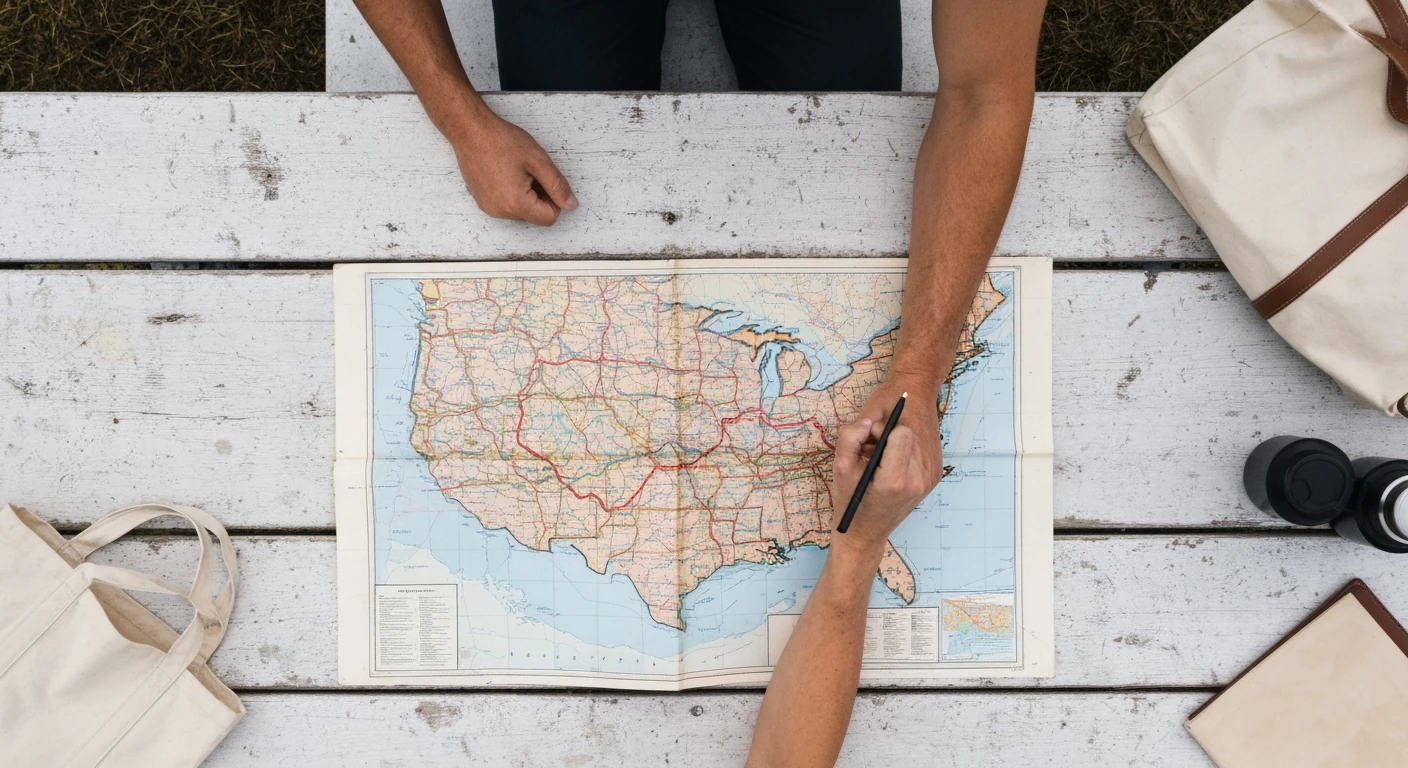
Staying Safe and Sound on the Open Road
The romance of the open road is undeniable, but true freedom comes from feeling secure. Ensuring your safety isn’t about paranoia; it’s about smart preparation that allows you to relax and enjoy the journey. A few checks before you leave and some mindful habits along the way can make all the difference. This is about preventing problems, not just reacting to them.
Pre-Trip Vehicle Vitals Check
Before you even think about packing your favorite snacks or curating the perfect playlist, your first stop should be your own driveway. Giving your car a thorough once-over is like doing the prep work before a big recipe; it ensures everything goes smoothly when the heat is on. Skipping this step is a gamble you don’t want to take when you’re hundreds of miles from your trusted mechanic.
Tires, Fluids, and Brakes: The Holy Trinity
Your tires are your car’s only connection to the road, so start there. Use a pressure gauge to ensure they are inflated to the PSI recommended on the sticker inside your driver’s side door—not the number on the tire itself. Check the tread depth using a penny; if you can see all of Lincoln’s head, it’s time for new tires. Next, pop the hood and check your primary fluids: engine oil, coolant, and windshield washer fluid. Low levels can signal a leak or lead to major engine trouble. Finally, listen to your brakes. Are they squeaking or grinding? If they feel soft or make any unusual noises, get them inspected by a professional immediately.
Defensive Driving for Long Hauls
Once you’re on the move, your mindset in the driver’s seat becomes your most important safety tool. Driving defensively means assuming other drivers might make mistakes and leaving yourself an out. Maintain a generous following distance—the “three-second rule” is a minimum on long, high-speed highways. It is also a good idea to stay aware of local traffic laws, as they can vary slightly from state to state. One of the many unbelievable everyday facts is how many different local ordinances exist. Be particularly cautious around large trucks, which have significant blind spots.
Managing Fatigue and Distractions
Long stretches of highway can be hypnotic, and driver fatigue is a silent threat. The National Highway Traffic Safety Administration (NHTSA) estimates that drowsy driving causes over 100,000 police-reported crashes annually. The only real cure for tiredness is sleep. Plan to drive no more than 8-10 hours a day and take a 15-minute break every two hours. A well-rested driver starts the day before they even get in the car; your routine of simple morning hacks for a brighter day is just as important on the road. As for distractions, the rule is simple: put the phone away. Your GPS can give voice directions, and your co-pilot can handle the texts.
Smart Lodging: Prioritizing Your Peace of Mind
Your safety considerations don’t end when you turn off the engine for the night. Choosing where you stay requires a bit of research. Look for hotels or rentals in well-lit areas with positive reviews that specifically mention feeling safe. Read the reviews critically; if multiple people mention poor lighting, broken locks, or a sketchy neighborhood, it’s best to look elsewhere. When you check in, do a quick safety sweep of your room. Make sure the door’s deadbolt and security latch work properly. And—this may sound obvious, but it happens—always confirm the door is fully closed and locked when you leave or turn in for the night. Never prop it open for any reason. These small habits create a secure environment, allowing you to get the restful sleep you need for the next day’s drive.
Capturing Memories: Photography and Journaling on the Go
Once your vehicle is secure and you’re settled in for the night, the real magic of a road trip begins to sink in. The journey isn’t just about the destinations, but about the small, unforgettable moments in between. Documenting these experiences transforms a great trip into a story you can revisit for a lifetime. It’s about creating your own highlight reel.
Beyond the Smartphone: Elevating Your Travel Shots
Your phone is fantastic for quick snaps, but taking your photography to the next level requires a little more intention. The most common mistake is shooting from eye level. Try getting low to the ground for a dramatic perspective or finding a higher vantage point to capture the scale of a landscape. What most people miss is that the best light happens during the “golden hours”—the first hour after sunrise and the last hour before sunset. The soft, warm light makes everything look better.
A study from the Professional Photographers of America suggests that photos incorporating the rule of thirds are perceived as 40% more engaging by viewers. To try it, imagine your screen is divided into a tic-tac-toe grid and place your main subject on one of the intersecting lines. It’s a simple trick with a big impact. Don’t just photograph the big vistas; capture the surprising details that tell a story, like a quirky sign or an interesting texture. The world is full of unbelievable everyday facts and sights if you just look for them.
Quick Photography Hacks:
- Use a Polarizer: A simple polarizing filter for your phone or camera lens can make skies a deeper blue and reduce glare from water and windows.
- Focus on Candid Moments: Posed photos are fine, but the shots of your family laughing in the car or staring out the window at a passing storm are the ones you’ll treasure most.
- Clean Your Lens: It sounds incredibly basic, but a smudged lens from your pocket or fingers is the number one culprit for blurry, hazy photos. A quick wipe with a soft cloth makes a world of difference.
The Art of the Travel Journal
A journal does what a photo sometimes can’t: it captures the feeling of a moment. You don’t need to be a professional writer to keep a compelling log of your journey. Instead of just listing places, describe the sensory details. What did the air smell like in that mountain town? What was the funniest thing someone said during the long drive? How did that local diner’s coffee taste?
These entries become powerful memory triggers. Some travelers even turn journaling into a creative outlet by pasting in ticket stubs, receipts, and pressed flowers alongside their notes. Jotting down your experience with new foods can be especially rewarding, creating a culinary map of your trip that’s as fun to read as it is to learn new home cooking secrets back at home. Making this a daily practice—perhaps as a quiet part of your simple morning hacks—can turn it into a cherished ritual.
Your journal doesn’t have to be perfect. It’s a personal record, complete with messy handwriting and inside jokes. These captured moments, both visual and written, are the souvenirs that last, long after the t-shirts have faded.
Unexpected Delights: Embracing Spontaneity and Local Culture
While a detailed itinerary has its comforts, some of the best travel stories begin when the plan is tossed aside. Sticking too rigidly to a schedule is like following a recipe to the letter—safe, but you miss the chance to improvise. The underrated factor here is that letting go allows for discovery, much like the way simple kitchen prep secrets can surprisingly change your meals.
A structured plan guarantees you’ll see the famous landmarks, but what about the memories you haven’t even imagined yet? A study from the Travel Industry Association suggests that over 60% of road trippers find their most memorable moments in unplanned detours. Think of discovering the World’s Largest Ball of Twine in Kansas or Nebraska’s quirky “Carhenge.” These are the kinds of unbelievable everyday facts brought to life.
So how do you find these spots?
Often, the best way is to simply talk to people. Ask the person at the gas station or the local diner about their favorite spot in town. You can also get a feel for an area by checking out a community’s digital presence, almost like you would to get local news updates on the go. Embracing a little spontaneity doesn’t mean having no plan—it just means leaving room for magic to happen between the waypoints.
Your Story, Written in Miles
As the engine cools and the last of the highway miles fade from your mind, what remains is more than just a collection of photos and souvenirs. A road trip fundamentally changes your relationship with distance, time, and the very fabric of the country you’ve crossed. The lines on the map are no longer abstractions but a personal history of sunrises, shared meals, and unexpected detours. The true souvenir is a new perspective, a deeper appreciation for the small towns and vast landscapes that lie just beyond the next exit sign. The journey itself has become the destination. Now that the map is in your hands, the only question left is: where will the road take you first?
Frequently Asked Questions
What’s the best time of year for a cross-country US road trip?
The best times are typically spring (April-May) and fall (September-October). During these seasons, you’ll find milder weather across most of the country, fewer crowds at popular attractions, and beautiful natural scenery like spring blooms or autumn foliage. Summer offers the warmest weather and access to all regions, but expect higher prices and more tourists.
How much should I budget for a two-week US road trip?
A budget can vary widely, but a good starting range is $150-$300 per person, per day. This covers gas, lodging (motels/budget hotels), food, and some activities. You can significantly lower costs by camping and preparing your own meals, or spend much more on upscale hotels and dining. Always have a contingency fund for unexpected expenses.
Are there any apps that help find unique roadside attractions?
Absolutely. Apps like Roadside America and Atlas Obscura are specifically designed to help you discover quirky and unique attractions, from giant statues to historical oddities. You can also use the ‘Explore’ or ‘Points of Interest’ features within Google Maps and Waze to find interesting stops along your planned route.
What’s the most scenic route for a first-time US road tripper?
For a classic and breathtaking experience, California’s Pacific Coast Highway (Highway 1) is hard to beat with its dramatic coastal cliffs and ocean views. For a journey through the heart of the country, Historic Route 66 offers a nostalgic trip back in time. The Blue Ridge Parkway on the East Coast is another fantastic option, renowned for its stunning mountain vistas, especially in the fall.
How do I handle car breakdowns in remote areas?
Preparation is key. First, have a roadside assistance membership like AAA. Second, carry a well-stocked emergency kit with jumper cables, a flashlight, and reflective triangles. Always download your maps for offline use so you can pinpoint your location for first responders, even without cell service.