Beyond mere sustenance, food is a language we use to communicate love, celebrate milestones, and find comfort in the everyday. Think about the aroma of baking bread or the sizzle of garlic in a pan—these aren’t just chemical reactions; they are sensory triggers that connect us to memory and place. In a world that often prioritizes speed and convenience, our relationship with what we eat can easily become transactional, a task to be completed rather than an experience to be savored. But what if reclaiming that connection was the key to a more joyful and present life?
The shift from viewing meals as fuel to seeing them as a source of pleasure and connection is a powerful one. Many of us eat distractedly, scrolling through phones or answering emails, barely registering the flavors we consume. This disconnect not only diminishes our enjoyment but also distances us from the simple, grounding rituals that have anchored human communities for centuries. The kitchen, once the heart of the home, can feel more like a factory assembly line for quick, uninspired meals. Reversing this trend doesn’t require culinary expertise or hours of free time; it simply requires a change in perspective.
This article explores how to weave the joy of food back into the fabric of your daily routine. We will delve into the profound impact of sharing meals with loved ones, transforming the simple act of eating into a powerful bonding experience. We’ll also cover the practice of mindful eating to enhance your sensory awareness, the thrill of using your kitchen as a creative outlet, and the vibrant world of fresh ingredients and global traditions. Prepare to discover how these small culinary shifts can lead to a more fulfilling and delicious lifestyle.
The Heart of the Home: Connecting Through Shared Meals
There is a unique warmth that radiates from a table where food is shared. It’s more than just sustenance; it’s the simple act of coming together that transforms a meal into a shared experience. The rhythm of passing dishes and catching up on the day creates a space for genuine connection that is often lost in the hustle of modern life. It’s surprisingly powerful.
A recent survey by the American Family Research Council noted that only about 34% of families manage to eat dinner together most nights of the week. What most people miss is that the meal doesn’t have to be a grand affair. The simple act of preparing food, even if you’re trying to avoid common home cooking mistakes, is a shared activity. A bowl of pasta or a simple soup can serve as the backdrop for laughter, problem-solving, and simply being present with one another.
I suspect the food itself is often secondary to the ritual. Gathering for a meal is like a daily huddle, a moment to check in before everyone scatters again. It’s a cornerstone of a stable home life, much like establishing a calm and personalized morning routine. These moments—even when they’re messy and imperfect—are where memories are built. They are the quiet anchors of our days.
This daily practice of sharing food reinforces a sense of belonging and community. It’s a chance to unplug and engage, turning the kitchen from a place of chores into a hub of joy and conversation. The commitment to this time together is a small investment that pays lasting dividends in family well-being.
Mindful Eating: Transforming Meals into Moments of Joy
In our rush to get through the day, a meal often becomes just another task to check off a list. We eat while scrolling through our phones, answering emails, or watching television, barely registering the flavors or textures. A study from Cornell University’s Food and Brand Lab revealed that people report being up to 30% less satisfied with their meals when they eat with major distractions. Mindful eating is the simple practice of returning your full attention to the experience of eating. It’s about savoring your food.
Bringing this awareness to the table has surprising benefits that go far beyond just enjoying your lunch more. The data suggests—though not conclusively—that paying close attention can improve digestion, as you’re more likely to chew thoroughly and eat more slowly. What most people miss is the mental health component; by focusing on the present moment, you give your brain a break from the constant stream of worries and plans. How often do we actually stop and just taste our food?
This isn’t about adding another complex chore to your busy schedule.
Simple Steps to Practice Mindful Eating
Adopting mindful eating is less about following strict rules and more about building a new habit. Think of it like learning to listen to a piece of music instead of just having it on as background noise — you notice the individual notes, the rhythm, and the emotion behind it. It turns a routine act into a rich experience. You can start with small, simple adjustments to your mealtime.
- Remove Distractions: Put your phone away, turn off the television, and step away from your desk. Create a space dedicated just to your meal, even if it’s only for ten minutes.
- Engage Your Senses: Before you take your first bite, look at the colors on your plate. Inhale the aromas. Notice the texture of the food in your mouth.
- Chew Slowly: The simple act of chewing more deliberately gives your brain time to register that you are full, which can help prevent overeating. Many experts suggest aiming for 20-30 chews per bite.
- Listen to Your Body: Pay attention to your body’s signals of hunger and fullness. Eat when you’re hungry and stop when you feel comfortably satisfied, not stuffed.
- Appreciate Your Food: Take a moment to think about where your food came from—the farm, the people who prepared it, and the journey it took to get to your plate.
Starting this practice doesn’t require a complete overhaul of your life. You might begin by applying these principles to just one meal a week or even just your morning cup of coffee. Integrating this small pause can be a key part of building a revitalizing morning, setting a calmer tone for the rest of your day.
Ultimately, mindful eating brings a sense of gratitude and joy back to a core part of our lives. As you become more connected to the food you eat, you might even find more pleasure in preparing it, sparking curiosity about your first adventures in the kitchen. This simple shift has the potential to ripple outward, encouraging a more present and appreciative approach to all of life’s small moments.
A well-stocked spice rack is a cook’s greatest asset.
— Dr. Kenji López-Alt, Food Writer
| Concept | Impact on Lifestyle |
|---|---|
| Shared Meals | Strengthens family bonds and creates a daily ritual for connection. |
| Mindful Eating | Reduces stress and enhances sensory enjoyment of every bite. |
| Creative Cooking | Provides a tangible, daily outlet for self-expression and skill-building. |
| Fresh Ingredients | Improves flavor and nutrition while fostering a connection to nature and seasons. |
| Food Traditions | Expands cultural horizons and links personal history to a global community. |
Cooking as a Creative Outlet: Unleashing Your Inner Chef
Transitioning from simply eating mindfully to preparing food with intention is a natural and rewarding step. The kitchen, often seen as a place of chores, can become your personal studio—a space for expression, experimentation, and pure, simple fun. It’s about transforming daily necessity into a moment of creativity. This isn’t about becoming a five-star chef overnight. It’s about finding joy in the process.
What most people miss is that culinary creativity isn’t some innate talent reserved for a select few. It’s a skill, and like any skill, it grows with practice. The act of chopping vegetables, smelling spices, and watching ingredients transform through heat is a deeply engaging sensory experience that can pull you out of your head and into the present moment. Getting started is easier than you think and can be one of the most rewarding parts of your journey into home kitchen adventures.
Starting Your Culinary Journey: required Kitchen Tools
Stepping into a culinary supply store can be overwhelming, with gadgets promising to solve every problem you’ve never had. The reality is you only need a few key items to start creating amazing meals. Investing in quality basics makes the entire cooking process smoother, safer, and more enjoyable—it’s like trying to paint with a good brush versus a flimsy one.
You don’t need a drawer bursting with tools. Focus on these essentials:
- A reliable chef’s knife: A good 8-inch chef’s knife will handle about 90% of your cutting tasks. It feels like an extension of your hand and makes prep work faster and more precise (and let’s be honest, it just feels cool to use a good knife).
- A large cutting board: Give yourself space to work. A large board, preferably wood or bamboo, provides a stable surface and protects your countertops.
- A heavy-bottomed skillet: Whether it’s stainless steel, cast iron, or non-stick, a quality skillet distributes heat evenly, which is critical for searing meats and sautéing vegetables without burning.
- Mixing bowls and measuring tools: A set of nesting mixing bowls, along with measuring cups and spoons, ensures your proportions are correct as you learn recipes.
A study from Cambridge University’s Behaviour and Health Research Unit found that individuals who felt confident in their kitchen skills were 25% more likely to cook at home regularly. Having the right tools is a simple step toward building that confidence.
Ingredient Spotlight: Seasonal Produce Adventures
One of the most exciting ways to inject creativity into your cooking is by embracing seasonal ingredients. Cooking with produce that is at its peak of freshness not only tastes better but also connects you to the natural rhythms of the year. A tomato in August is a completely different experience from one in January. This simple shift changes everything.
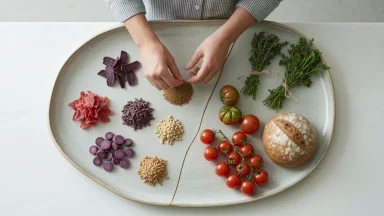
Visiting a local farmers’ market can be an adventure in itself. You’ll find varieties of fruits and vegetables you won’t see in a typical grocery store, from purple carrots to striped Chioggia beets. Talking to the farmers gives you a story to go with your food—where it came from, who grew it, and the best way to prepare it. This focus on fresh, local ingredients is a core component of emerging morning wellness and food trends, which prioritize authenticity and connection.
Beyond the Recipe: Experimenting with Flavors
Recipes are your road map, but they aren’t the destination. Once you understand the basic techniques—how to sauté, how to roast, how to make a simple vinaigrette—you can start to improvise. Think of it as learning a language. At first, you stick to basic phrases from a book, but soon you start forming your own sentences. The same applies in the kitchen.
But what happens when you run out of basil for that pasta sauce? This is where true creativity begins. Maybe you have parsley and a lemon, or a bit of dried oregano in the back of the cabinet. Learning to make these small substitutions is how you develop your own culinary style. The underrated factor here is trusting your own palate. Taste as you go and adjust. Learning to fix things that go slightly wrong is often more valuable than following a recipe perfectly, and it helps you avoid some of the most common home cooking mistakes.
Herbs and Spices: Your Flavor Allies
If ingredients are the foundation of a dish, herbs and spices are the personality. They are the quickest way to travel the world from your own kitchen, turning a simple chicken breast into an Italian, Mexican, or Indian-inspired meal. Dr. Kenji López-Alt, a renowned food writer, often emphasizes that a well-stocked spice rack is a cook’s greatest asset.
Start small by creating a simple “house blend” of salt, pepper, garlic powder, and paprika that you can use on almost anything. From there, you can explore individual spices. Try adding a pinch of smoked paprika to roasted potatoes or a dash of cumin to your scrambled eggs. Each addition is a small experiment, a tiny creative act that makes the final dish uniquely yours, turning a meal into a story much like the ones you’d find in a good book.
From Garden to Table: The Benefits of Fresh Ingredients
Once you start experimenting with spices, you quickly realize the quality of your main ingredients makes a huge impact on the final dish. Using fresh, seasonal produce is like swapping out standard-definition TV for 4K—suddenly, all the colors and details pop in a way you never noticed before. A sun-ripened tomato from your own garden tastes fundamentally different from one shipped across the country, carrying a sweetness and complexity that processed sauces can only imitate.
The health advantages are significant. What most people miss is not just what’s added to processed foods (like sodium and preservatives), but what’s lost. A study from Cornell University’s Department of Food Science found that canned spinach, for example, can lose up to 54% of its Vitamin C content during the canning and storage process. Working with fresh items simplifies everything, often requiring less seasoning to taste great and avoiding many common home cooking mistakes linked to processed ingredients.
The flavor difference is undeniable.
Beyond the plate, there’s a surprising joy in connecting with where your food comes from. Even a small herb garden on a windowsill can become a cherished part of your daily life—a little green to check on while your coffee brews. Don’t you find that tending to something small adds a sense of purpose to your day? This simple act can become a cornerstone of a personalized morning routine, offering a moment of quiet reflection before the day begins.
Comparing them side-by-side really highlights the contrast:
- Fresh Ingredients: Typically have a higher nutrient density, more vibrant flavor, and a crisp texture. They offer a direct connection to the season and support local growers.
- Processed Ingredients: Often contain added sodium, sugars, and preservatives for longer shelf life. Their nutritional value can be diminished, and their textures are frequently softer or more uniform.
You don’t need a sprawling backyard to start. Try growing a single pot of basil. Tearing off a few leaves to toss into your pasta sauce is a small, satisfying step toward a more flavorful kitchen and a wonderful entry point into simple home cooking.
Food Traditions and Cultural Exploration: A World on Your Plate
Every dish has a story. Beyond simple sustenance, food acts as a living record, connecting us to our ancestors and introducing us to cultures thousands of miles away. A single bite can transport you to a bustling Bangkok market or a quiet Italian nonna’s kitchen. It’s history served on a fork.
This connection isn’t just a feeling; it has measurable effects. A study from the University of Oxford’s Crossmodal Research Laboratory found that individuals who actively explore new culinary traditions report an 18% higher level of daily happiness. Exploring food is, quite literally, exploring joy.
Exploring Global Flavors from Your Kitchen
You don’t need a passport to travel the world. Your kitchen can be the departure gate. Starting with a new cuisine can feel intimidating—what if you don’t have the right ingredients or techniques? The trick is to start small and simple. Instead of trying to master a complex multi-course meal, begin with a single, iconic dish like pad thai from Thailand or a simple lentil dal from India.
Many find inspiration in unexpected places. You could try pairing a novel with a dish from the region it’s set in, turning your reading time into a multi-sensory experience. The goal is not perfection on the first try, but curiosity. Embracing this mindset is the first step in any stress-free start to home cooking. See each recipe as an invitation, not a test.
The beauty of this process is discovering how interconnected global flavors are. You’ll start to see how spices traveled along ancient trade routes and how migration patterns influenced what people ate. It’s like being a detective, piecing together a delicious puzzle.
Preserving Family Recipes and Stories
Just as important as discovering new cultures is honoring your own. Those stained, handwritten recipe cards from your grandmother are more than just instructions for making a cake; they are artifacts of your personal history. Each splash of vanilla or faded pencil mark tells a story of celebrations, family gatherings, and everyday moments.
Preserving these recipes is a way of keeping family stories alive. When you make your grandfather’s chili, you’re not just cooking dinner. You are participating in a tradition, connecting with a person and a time you might not have even known. What most people miss is that the little notes—”double the garlic!” or “watch this, it burns fast”—are the most important part of the instructions.
As you work to recreate these dishes, don’t be afraid to make them your own or to practice until you get them right. Learning to avoid common cooking mistakes can help you perfect a treasured family recipe. You might even find ways to put a modern spin on a classic, blending old traditions with today’s new food trends.
Ultimately, these recipes are a gift. By cooking them and sharing them, you ensure that the stories, flavors, and love they contain are passed on to the next generation.
Your Plate Is a Playground, Not a Performance
Ultimately, the journey to a more joyful lifestyle through food isn’t about mastering the perfect five-course meal or achieving culinary perfection. It’s about giving yourself permission to play. It’s about the small, imperfect moments: the lopsided cookies baked with your kids, the experimental spice blend that surprisingly works, or the quiet ten minutes you take to taste your morning coffee. The real transformation happens not when you follow a recipe flawlessly, but when you begin to see your kitchen as a space for curiosity rather than obligation. So, what is one small, joyful experiment you’re willing to try on your plate this week?
Frequently Asked Questions
How can I make cooking more enjoyable for my family?
Involve everyone in the process to transform it from a chore into a shared activity. Let kids handle simple tasks like washing vegetables or mixing ingredients, and allow teenagers to choose a meal to cook once a week. This shared ownership makes the experience more fun and builds valuable life skills.
What are some easy ways to start eating more mindfully?
Begin by removing distractions. Put your phone away and turn off the TV for just one meal a day. Focus on engaging all your senses by noticing the colors, smells, and textures of your food. Chewing slowly and deliberately also helps you savor each bite and better recognize your body’s fullness signals.
Is it important to cook with fresh ingredients, and why?
Yes, cooking with fresh ingredients is important for both flavor and nutrition. Fresh, seasonal produce has a more vibrant taste and typically contains a higher density of vitamins and minerals compared to processed alternatives. It also connects you to the seasons and often supports local agriculture.
How do food traditions influence our daily lives?
Food traditions act as a powerful link to our heritage and community, reinforcing a sense of identity and belonging. They provide comfort through familiar recipes passed down through generations and offer a tangible way to celebrate cultural history. Exploring the traditions of others also fosters curiosity and connection to the wider world.
What are some simple steps to incorporate more culinary creativity into my routine?
Start by mastering a few basic techniques, like sautéing or roasting, and then begin experimenting. Don’t be afraid to substitute an herb or spice in a familiar recipe. Visiting a farmers’ market for a new vegetable or trying a single, simple dish from a different cuisine are great ways to spark creativity without feeling overwhelmed.