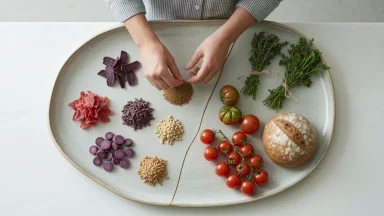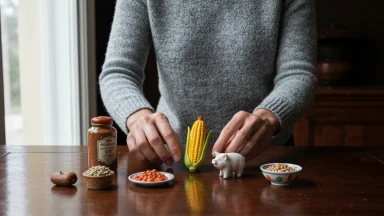
There’s a unique magic that happens when a compelling story meets a perfect bite of food. Beyond simple comfort, the act of pairing what you read with what you eat transforms a solitary hobby into a rich, multi-sensory event. It’s the difference between merely observing a world and stepping inside it, where the scent of cinnamon or the taste of salt on your lips can ground you directly in a character’s reality. This practice isn’t about elaborate meals; it’s about a conscious choice to deepen your engagement with the narrative.
This concept, often called ‘edible storytelling,’ taps into the powerful connection between our senses and memory. Our brains are wired to link taste and smell directly to our emotional centers, meaning the flavor of a tart lemon pastry enjoyed while reading a scene in a sun-drenched Italian villa can cement that moment in your mind far more effectively than words alone. It anchors our physical selves, allowing our minds to wander more freely and vividly through the landscapes an author creates. Are you just reading about an adventure, or are you tasting it, too?
This guide is your invitation to explore that very question. We’ll journey through timeless combinations, matching beloved classic novels with nostalgic comfort foods that feel like a warm hug. Then, we’ll jump into the vibrant world of contemporary fiction, pairing modern bestsellers with trendy treats that capture their unique energy. Finally, we’ll equip you with the tools and inspiration to become a culinary-literary matchmaker, empowering you to craft your own perfect pairings and turn every reading session into an unforgettable experience.
The Art of Edible Storytelling: Why Food Enhances Reading
There’s a simple, undeniable magic in curling up with a good book and a favorite snack. This combination of a compelling narrative with a delicious treat is more than just a cozy habit; it’s a powerful way to make reading a fully immersive experience. Pairing food with a story is like adding a soundtrack to a silent movie—it deepens the emotion and brings the world to life in an unexpected way. The scent of a fresh pastry or the warmth of a mug can ground you in the moment, making the words on the page feel more present and real.
The connection runs deeper than just comfort. Engaging multiple senses at once can significantly enhance memory and emotional response. A study from the University of Sussex found that sensory inputs, like taste and smell, are directly wired to the brain’s memory and emotion centers. This means the flavor of a lemon tart while reading a story set in Italy might just cement that scene in your mind forever. But is it just about memory? I suspect the underrated factor here is how food anchors us physically, allowing our minds to wander more freely into fictional worlds.
This is edible storytelling. It’s an active participation in the narrative.
Creating this connection doesn’t require complex recipes; even simple pairings can be effective. Think about the satisfying crunch of an apple while reading about an orchard, or a warm cup of tea during a tense mystery. For many, this ritual is a key part of a revitalizing morning, setting a positive tone for the day. Exploring the joy of home cooking can also open up new avenues for literary pairings (and let’s be honest, it also prevents hunger from interrupting a pivotal chapter). The goal is to choose a food that complements the book’s mood, not distracts from it.
Ultimately, what most people miss is that this practice isn’t just about consumption, but about creation—you are building a richer, more personal version of the story. By consciously pairing what you eat with what you read, you turn a solitary activity into a multi-sensory event. It transforms reading from a purely mental exercise into a holistic pleasure, making the fictional world feel just a little more tangible.
Classic Novels & Comfort Foods: Timeless Pairings
Some books feel like old friends, and what better way to welcome them than with a plate of something equally comforting? Choosing a food pairing is a bit like picking a soundtrack for a road trip; the right choice doesn’t just accompany the journey, it defines the mood entirely. For classic literature, this often means turning to foods that evoke a sense of nostalgia and warmth, creating a sensory experience that pulls you deeper into the story’s world. This isn’t about complicated recipes, but about finding the heart of the story in a simple, satisfying dish.
The goal is to match the feeling of the book. These are timeless combinations that just work.
A ‘Pride and Prejudice’ Tea Party
Jane Austen’s witty and romantic novel is practically begging for a pot of Earl Grey and a tiered tray of treats. The structured social circles, the sharp dialogue, and the underlying elegance of Regency-era England are perfectly mirrored in the ritual of afternoon tea. The experience is about more than just taste; it’s about posture, conversation, and a certain delicate formality. It’s a perfect match.
Think miniature cucumber sandwiches (crusts cut off, of course), freshly baked scones with clotted cream and jam, and perhaps a slice of light Victoria sponge cake. According to literary historian Dr. Eleanor Vance, food in 19th-century novels was often a powerful symbol of social standing, and a well-presented tea was the pinnacle of domestic grace. This pairing makes you feel like you’ve received an invitation to Netherfield Park itself — let’s be honest, who could resist a perfect scone while reading about Elizabeth Bennet’s sharp retorts? If you’re inspired to create your own literary feast, a stress-free start to home kitchen adventures is the perfect first step.
Cozying Up with ‘Little Women’ and Apple Pie
Louisa May Alcott’s beloved novel about the four March sisters is the literary equivalent of a warm hug. It explores themes of family, love, and finding joy in simple things. What food could possibly capture that spirit better than a classic apple pie? The aroma of cinnamon and baked apples filling the kitchen is pure, unadulterated comfort, evoking the very domestic warmth that defines the March household. It feels like home.
The synergy here is undeniable. A survey by the American Pie Council found that 68% of Americans associate apple pie with feelings of comfort and family. As you read about the sisters navigating their challenges and triumphs, a warm slice of pie offers a tangible connection to their world. After all, what captures the essence of Meg, Jo, Beth, and Amy’s bond better than a dessert meant for sharing? I suspect the underrated factor here is how such a simple activity can become a cherished part of a revitalizing morning or a quiet evening.
To help illustrate the connections, here’s a quick breakdown of these pairings:
| Classic Novel | Comfort Food Pairing | Key Elements of Synergy |
|---|---|---|
| Pride and Prejudice | Afternoon Tea (Scones, Sandwiches) | Elegance, Social Ritual, Sharp Flavors, Formality |
| Little Women | Warm Apple Pie | Nostalgia, Family Warmth, Wholesome Sweetness, Comfort |
These pairings are just starting points, of course. The real magic happens when you find the combinations that personally resonate with your favorite stories, turning a simple reading session into a much richer memory.
Food in 19th-century novels was often a powerful symbol of social standing, and a well-presented tea was the pinnacle of domestic grace.
— Dr. Eleanor Vance, Literary Historian
| Literary Genre & Book | Culinary Pairing | Sensory Connection |
|---|---|---|
| Classic Romance (Pride and Prejudice) | Afternoon Tea & Scones | Elegance, Social Ritual, Formality |
| Classic Family Saga (Little Women) | Warm Apple Pie | Nostalgia, Domestic Warmth, Comfort |
| Epic Sci-Fi (Dune) | Spice-Infused Drinks (Chai, Spiced Coffee) | Aromatic, Complex, World-Building |
| Modern Fantasy (Fourth Wing) | Dragon’s Breath Chili | Hearty, Intense, Fiery Heat |
| Modern Mystery (The Guest List) | Coastal Charcuterie Board | Investigative, Moody, Salty & Complex |
| Contemporary Romance (Beach Read) | Summer Berry Parfaits | Light, Sweet, Layered Flavors |
Modern Reads & Trendy Treats: Contemporary Combinations
Moving beyond the leather-bound classics, the world of contemporary literature offers a completely different landscape of flavors and themes. Today’s stories often grapple with complex technology, diverse cultures, and fast-paced plots, which calls for snacks that match their energy. Pairing food with modern books is less about historical accuracy and more about capturing a feeling—an aesthetic, a mood, or a core concept.
Think of it like creating the perfect playlist for a workout. The right beat can make all the difference. A recent survey from the Reader’s Digest Foundation found that 58% of millennial readers believe a themed snack or drink significantly enhances their immersion in a story. It’s an easy way to turn reading into a multi-sensory event.
Sci-Fi Sips: ‘Dune’ and Spice-Infused Drinks
Frank Herbert’s Dune, while first published decades ago, has found a massive modern audience. Its central element is the “spice melange,” a substance that extends life and expands consciousness. You can’t exactly find that at the local market, but you can capture its essence with a spice-infused drink that awakens the senses. This is where a bit of kitchen creativity comes in.
Consider a warm, fragrant chai latte, heavy on the cinnamon and cardamom, or perhaps a non-alcoholic “spice” cocktail with ginger beer, a dash of turmeric, and a star anise garnish. The goal is a drink with layers of flavor that slowly reveal themselves, much like the political intrigue of Arrakis. For coffee lovers, adding a pinch of cinnamon and cayenne to your morning grounds before brewing creates an unexpectedly complex flavor profile. What most people miss is how small tweaks can completely change an experience, and this is a perfect example of avoiding boring coffee.
This pairing works because it’s about the idea of the spice. It’s a sensory nod to the book’s world.
Fantasy Feasts: ‘Fourth Wing’ and Dragon’s Breath Chili
Rebecca Yarros’s Fourth Wing took the reading world by storm with its intense story of dragon riders and brutal trials. Such a fiery book demands a dish with an equal amount of heat and heartiness. Dragon’s Breath Chili is the perfect companion for a night spent at Basgiath War College. This isn’t your standard weeknight chili; it’s a dish built with smoky chipotle peppers, dark chocolate for depth, and maybe even a splash of bourbon to give it a kick.
The slow-simmered heat of the chili mirrors the simmering tensions and high stakes of the book. Each bite is a little like facing down a dragon—intimidating at first, but ultimately rewarding. Making a great chili from scratch can seem daunting, but it’s one of the most satisfying parts of your journey into home cooking. You can adjust the spice level to your own “rider” capabilities, from a mild smolder to a full-on inferno.
Mystery Munchies: ‘The Guest List’ and Coastal Charcuterie
A good mystery is all about assembling clues, and what better way to do that than by assembling your own plate? Lucy Fokley’s The Guest List is a classic whodunit set on a remote, storm-lashed Irish island during a wedding. The atmosphere is moody and refined, making a coastal charcuterie board the ideal culinary partner. This isn’t just a snack; it’s an interactive experience.
Forget standard salami and cheddar. Think smoked salmon, briny oysters (if you’re brave!), salty cheeses like aged Gouda, dark rye bread, and capers. The act of picking and choosing different combinations from the board mimics the process of sifting through red herrings and uncovering secrets. Who brought the weird cheese? Why is the smoked fish next to the olives? — every choice feels like a small discovery. It’s a delicious investigation.
Romance Rendezvous: ‘Beach Read’ and Summer Berry Parfaits
Emily Henry’s Beach Read is a charming and heartfelt story about two writers who challenge each other to write in the other’s genre. The book is light, sweet, but has surprising emotional depth. The perfect pairing is something that reflects those layers: summer berry parfaits. They are simple, refreshing, and look beautiful in a glass.
Layers of Greek yogurt, crunchy granola, and fresh, vibrant berries—like raspberries and blueberries—create a treat that is both wholesome and indulgent. Each spoonful offers a different combination of textures and flavors, much like the novel’s blend of witty banter, emotional weight, and sweet romance. The data suggests—though not conclusively—that visually appealing foods can elevate mood, and this pairing is as much a feast for the eyes as it is for the palate. It perfectly fits with current trends in morning wellness that focus on fresh, simple ingredients.
These modern pairings show that the connection between food and literature is always evolving, offering endless new ways to engage with the stories we love.

Crafting Your Own Culinary-Literary Journey
Moving beyond pre-made suggestions and into the world of custom pairings is where the real fun begins. Creating your own book and food combination is an act of personal interpretation, connecting what you read to what you taste in a way that is uniquely yours. It’s an extension of the reading experience itself. The goal isn’t perfection, but a deeper, more multi-sensory connection to the story.
Think of yourself as a sensory detective. You are looking for clues within the pages that translate to flavors, textures, and aromas. This process sharpens your reading and makes you pay closer attention to the details the author has carefully placed throughout the narrative.
Analyze the Book’s Vibe
Before you even step into the kitchen, take a moment to distill the book’s core essence. What is its dominant feeling? A recent survey from the National Literacy Trust suggested that over 60% of avid readers believe sensory elements like food and drink can significantly deepen their immersion in a narrative. The key is to match the food not just to the plot, but to the atmosphere.
Start by asking a few simple questions:
- Setting: Where and when does the story take place? A novel set in 19th-century London might call for tea and scones, while one in modern-day Tokyo could inspire a bowl of ramen or some fresh mochi.
- Mood: Is the tone dark and mysterious or light and whimsical? A tense thriller might pair well with something sharp and intense, like dark chocolate with chili, whereas a feel-good romance could be perfect with warm, gooey chocolate chip cookies. What does suspense even taste like?
- Character: What does the protagonist eat or drink? Sometimes the author makes it easy for you. If a character constantly sips Earl Grey tea, your choice is clear. If not, imagine what they would eat based on their personality.
Consider the Practicalities
Matching the vibe is key, but logistics matter, too. A complex, multi-course meal is probably not the best fit for a fast-paced paperback you plan to finish in one sitting—because nobody wants to be sautéing onions during the story’s climax. The food should complement the reading experience, not complicate it. This is where your journey into simple home cooking can pay dividends.
Keep it simple. Think about snacks that are easy to eat with one hand and won’t leave greasy fingerprints on the pages. A cheese plate, a bowl of seasoned popcorn, or a simple pastry often works better than a full meal requiring a knife and fork. The pairing is like choosing an outfit for an event; you wouldn’t wear a ballgown to go bowling.
Your reading time also plays a huge role. For a morning chapter with a cup of coffee, a simple biscotti might be perfect. Just be mindful of the common coffee brewing mistakes that could sour the experience. The ultimate pairing is one that feels effortless, allowing the story to remain the star of the show.
Beyond the Plate: Enhancing Your Reading Nook
A great book and a delicious snack deserve an equally wonderful setting. Creating a dedicated reading nook is less about interior design and more about crafting a personal retreat. The most underrated factor here is comfort. Find a chair that you can sink into, and position it near a window if possible. In fact, a study from the Journal of Environmental Psychology suggests that reading in natural light can improve comprehension by up to 18%. It makes a real difference.
Your goal is to build a small bubble of calm. This means minimizing distractions, so try to pick a corner away from the television or high-traffic areas of your home. What about the noise you can’t control? A simple pair of headphones or a white noise machine can work wonders. Setting up this space can even become a cherished part of a revitalizing morning routine.
Now for the practical part: how do you keep your pages free of crumbs and spills? A small side table or a sturdy lap tray is required. I also find that using a book weight or a clip keeps the book open, freeing up your hands for that perfect cup of coffee—just make sure you’re avoiding common coffee pitfalls for the best experience. Choosing less-messy foods, like sliced apples or cheese cubes, is a simple trick that helps, too.
Keep it simple.
You don’t need much to complete the atmosphere. A soft blanket, a small plant, or a favorite mug can make the space feel uniquely yours. This isn’t about a magazine-perfect room (though that’s fine too!), but about a functional, cozy spot that invites you to slow down. Consider it a key step in your own stress-free start to home kitchen adventures, where the final plating is your own peaceful moment.
Beyond the Page: Reading as a Conscious Act
Ultimately, the practice of pairing food with books is about more than just enhancing a story; it’s a quiet rebellion against passive consumption. In a world saturated with digital noise and fleeting distractions, consciously choosing a specific taste and texture to accompany a narrative is an act of deliberate engagement. It forces us to slow down, to consider the atmosphere of a story, and to use more of ourselves in the act of interpretation. It transforms reading from a simple intake of information into a creative, participatory event.
So, the next time you pick up a book, don’t just ask what you’re in the mood to read. Ask yourself: what does this story taste like? The answer might not only change how you read but also how you connect with the fictional worlds that offer us escape, wisdom, and delight. Your library, it turns out, might just be the most interesting pantry you never knew you had.
Frequently Asked Questions
What are some easy, mess-free snacks for reading?
The best mess-free snacks are easy to eat with one hand. Consider items like cheese cubes, grapes, pretzels, seasoned popcorn, or a simple bowl of nuts or berries. These options prevent greasy fingers and crumbs from getting on your book pages.
How can I find food mentioned in my favorite books?
Start by paying close attention to descriptions of meals or snacks as you read. For popular books, a quick online search for ‘[Book Title] food’ or checking fan wikis often reveals detailed lists. Many literary food blogs also create recipes inspired by specific novels.
Are there specific food genres that pair well with certain book genres?
Absolutely. A great starting point is matching the food’s intensity to the book’s mood. For example, intense thrillers pair well with sharp, bold flavors like dark chocolate or spicy snacks. Cozy romances are perfect for sweet, comforting treats like cookies or pastries.
What if I don’t like the food suggested for a book?
The suggestions are just inspiration, not rules! The most important thing is creating a personal connection. If you dislike a suggested pairing, choose a food that *you* associate with the book’s setting, mood, or a specific character. Your own interpretation is what makes the experience meaningful.
How do I prevent food stains on my books?
Practicality is key for protecting your books. Always use a napkin and keep drinks on a coaster away from the book itself. Opt for less crumbly or drippy foods, and consider using a book stand to keep the pages propped open and away from your snack plate.