Have you ever considered that the biggest news story of the day might not be on your screen, but on your dinner plate? The subtle shift in the price of coffee, the sudden appearance of a new grain at your local market, or even a viral video that causes a nationwide shortage of feta cheese are all headlines from the culinary world. These aren’t just isolated foodie trends; they are direct reflections of global trade, cultural exchange, and even our collective anxieties and aspirations. What we choose to eat is a powerful indicator of who we are and where we’re headed.
Food has always been more than mere sustenance. It’s a living archive of our history, a vibrant expression of our culture, and a dynamic field of innovation. The story of a simple carrot, for example, involves centuries of agricultural development and a clever piece of wartime propaganda. Similarly, the rise of plant-based diets tells a complex story about shifting values regarding health, ethics, and environmental sustainability. Every ingredient in your pantry has a backstory, and every recipe is a record of a specific time and place, connecting us to a much larger global narrative.
This exploration delves into the fascinating intersection of food and daily news. We’ll track the most significant culinary movements shaping our plates, from the demand for global flavors to the push for hyper-local sourcing. We will uncover the surprising histories hidden within everyday ingredients, examine how food acts as a powerful tool for cultural celebration and diplomacy, and check out the latest kitchen gadgets that are redefining the modern home cook. Prepare to see your kitchen not just as a place to prepare meals, but as a front-row seat to the world.
What’s Cooking Now: Current Food Trends to Savor
The way we eat is constantly changing, influenced by everything from social media feeds to a renewed focus on health and sustainability. What’s interesting is that these culinary shifts are no longer confined to high-end restaurants; they’re showing up in our home kitchens, local cafes, and even our creative breakfast ideas. It’s a delicious conversation happening on plates all around the world.
Tracking these trends is like following a story. Some chapters are fleeting, while others change the plot entirely. The underrated factor here is how much our collective palate has expanded, creating a demand for new experiences and more thoughtful food choices. These are not just fads. They are reflections of our values.
From Global Flavors to Local Sourcing
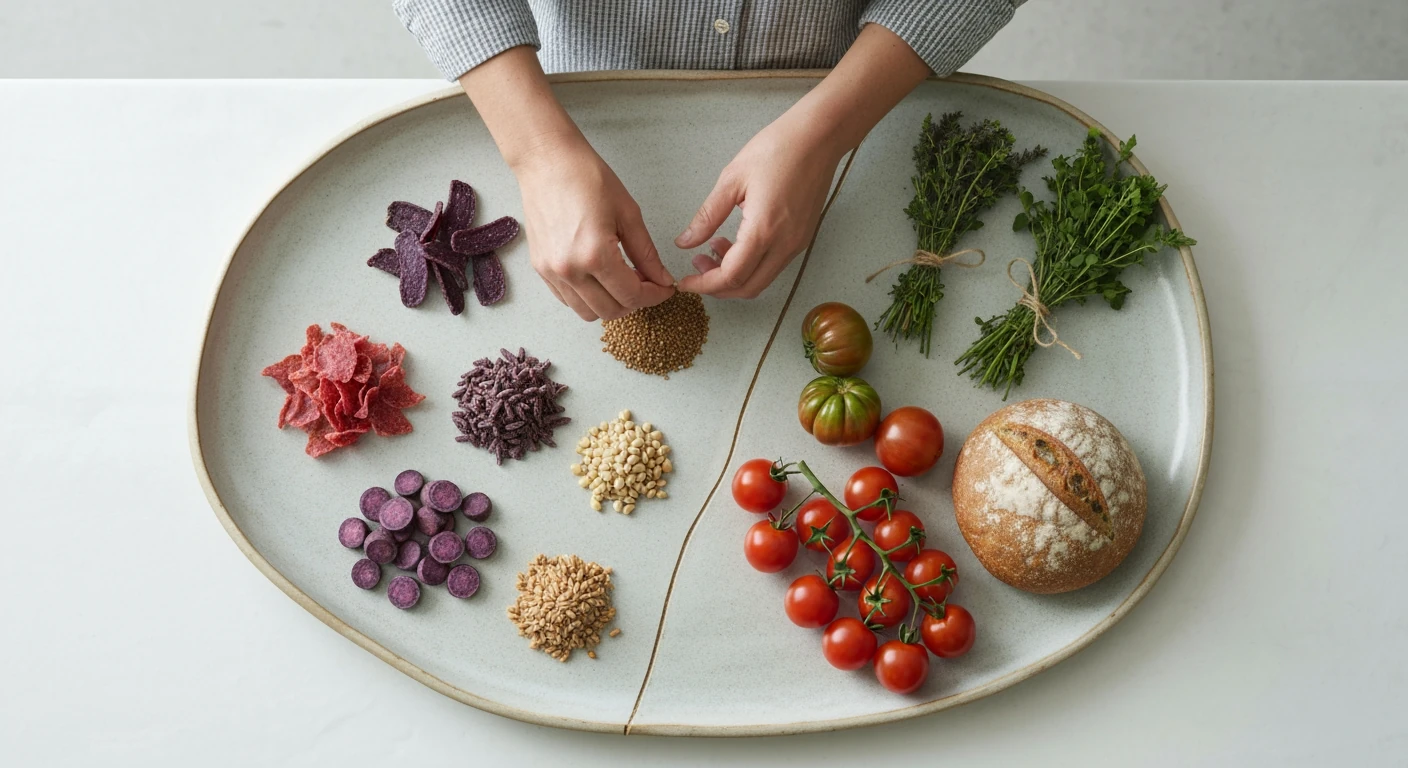
A fascinating push-and-pull is happening in the food world. On one hand, there’s a huge appetite for global flavors, with cuisines from specific regions like the Philippines and West Africa gaining well-deserved popularity. Ingredients like ube (a purple yam) and fonio (an ancient grain) are moving from specialty stores to mainstream menus. According to the Specialty Food Association, nearly 72% of consumers enjoy trying foods from different cultures, suggesting this is more than a passing interest.
Simultaneously, there’s a powerful counter-movement toward hyper-local sourcing. This is about more than just visiting a farmers’ market; it’s a commitment to eating what’s grown nearby, building a connection to the community and reducing food miles. Think of it as the culinary equivalent of exploring your own backyard rather than booking an international flight. It brings a new appreciation for what makes a region unique, much like exploring iconic American flavors from coast to coast.
Plant-Based Popularity and Beyond
The rise of plant-based eating has been remarkable. What started as a niche diet has become a major force in the food industry, with options that appeal to everyone, not just committed vegans. The key shift is from “plant-based” as a restriction to “plant-forward” as an abundant way of eating. It’s less about giving up meat and more about adding a wider variety of plants to your plate.
This movement has given us everything from oat milk lattes to surprisingly convincing mushroom-based burgers. But where does this momentum come from? For many, it’s a mix of health, environmental, and ethical concerns. The data suggests it’s not slowing down; a Bloomberg Intelligence report projects the plant-based food market could exceed $162 billion in the next decade. This isn’t just about salads — it’s about re-imagining every meal with plants at the center.
Distinguishing between a flash-in-the-pan trend and a true movement can be tricky. Here’s a quick look at some recent examples:
| Passing Fads | Enduring Movements |
|---|---|
| Rainbow Bagels: Visually stunning for social media but offered little in terms of new flavor or nutritional value. | Fermentation: Ancient techniques like making sourdough, kombucha, and kimchi are prized for flavor complexity and gut health benefits. |
| Activated Charcoal Foods: The striking black color was its main appeal, but health claims were dubious and it could interfere with medications. | Sustainable Eating: A broad shift focusing on reducing food waste, eating seasonally, and choosing responsibly sourced ingredients. |
| Over-the-Top Milkshakes: More of a dessert spectacle than a practical beverage, these calorie-heavy creations were built for photos. | Gourmet Spices & Hot Sauces: A growing interest in unique, high-quality seasonings to add depth and quirky culinary trivia to home cooking. |
Ultimately, the trends that stick around are those that offer genuine value, whether through better flavor, improved health, or a stronger connection to our food’s origins. They become part of the kitchen’s permanent toolkit, not just a one-time experiment.
The Surprising History Behind Everyday Eats
Many foods we stock in our pantries have stories that are far more interesting than their nutrition labels suggest. Take the humble carrot, for instance. We see it as a distinctly orange vegetable, perfect for snacking or adding to a stew. But did you know its bright orange color is a surprisingly recent development, popularized by Dutch growers in the 17th century? Before that, carrots were commonly purple, white, or yellow.
The vegetable’s most famous tale, comes from World War II. According to historical records, the British Ministry of Information began promoting the idea that eating carrots gives you excellent night vision. This was a clever bit of misdirection—a brilliant piece of wartime marketing, really—designed to cover up the existence of their new, secret airborne radar technology that was actually responsible for Royal Air Force pilots’ success.
What most people miss is how incredibly effective this campaign was.
This kind of historical tidbit isn’t unique to carrots; it’s like finding a hidden message in your grocery bag. Many dishes we consider staples have similarly strange origins, from accidental inventions to marketing masterstrokes. There are countless quirky culinary trivia tidbits just waiting to be discovered, some of which are woven into the fabric of iconic American flavors. The history behind our food reminds us that what we eat is often the result of chance, necessity, or even propaganda.
Uncovering these backstories adds a layer of appreciation to every meal, transforming a simple ingredient into a conversation starter. It makes you wonder what other secrets are hiding in plain sight on your dinner plate.
Sharing a meal is a core human act of trust. By using food as a diplomatic tool, countries can communicate respect and a willingness to engage on a human level.
— Dr. Samuel Chapple-Sokol, Political Theorist at Georgetown University
| Topic Area | Key Insight | Example from the Article |
|---|---|---|
| Current Food Trends | Modern eating habits are a blend of global curiosity and a strong desire for local connection. | The popularity of Filipino ingredients like ube alongside the hyper-local sourcing movement. |
| Hidden Food Histories | Common foods often have extraordinary and unexpected origin stories tied to history and marketing. | Carrots were popularized as orange by the Dutch and used as propaganda in WWII to hide radar technology. |
| Cultural Connections | Food is a primary vehicle for cultural expression, celebration, and even international diplomacy. | Symbolic sweets during Diwali or the use of state dinners to build relationships between nations. |
| Kitchen Technology | Innovation is focused on making cooking more precise, convenient, and sustainable. | Smart air fryer ovens with remote controls and gadgets designed to minimize food waste. |
Food as a Cultural Compass: Global Culinary News
Food is much more than simple sustenance; it’s a living record of a community’s history, values, and identity. Every recipe tells a story, and every shared meal strengthens social bonds. Think of food as a language without words. It communicates welcome, celebration, and even sorrow across generations and borders. What most people miss is how closely what’s on our plate is tied to the headlines in the news, reflecting everything from economic shifts to cultural exchanges.
This connection is surprisingly powerful. A dish can reveal trade routes from centuries ago, agricultural innovations, or the migration patterns of a population. It’s a dynamic, delicious expression of who we are. The story of a culture is often best told through its kitchen.
Festivals and Feasts: Celebrating Through Food
Across the globe, major cultural celebrations are almost always centered around specific foods. These aren’t just random menu choices; they are deeply symbolic dishes that embody the spirit of the event. During Diwali, the Hindu festival of lights, families share sweets like ladoo and jalebi to signify joy and the triumph of good over evil. In Mexico, the preparation of mole for Día de los Muertos is a labor of love, an offering to ancestors that connects the living with those who have passed.
These feasts act as a social glue, reinforcing community ties with every bite. The act of preparing and sharing these specific foods is a ritual that passes traditions from one generation to the next. According to a study from the International Journal of Gastronomy and Food Science, over 70% of participants associated their most powerful cultural memories with foods eaten during festivals. Is there a more effective way to preserve a heritage than through a beloved family recipe?
From the elaborate Lunar New Year banquets in China to the simple act of sharing king cake during Mardi Gras in New Orleans, these culinary traditions are a vibrant part of the global cultural calendar. They remind us that celebrating together often starts with eating together. It’s one of the most accessible forms of daily inspiration we can find.
The Art of Local Ingredients and Regional Specialties
A region’s identity is often baked directly into its food, shaped by the climate, soil, and native ingredients. This concept, known as terroir in the wine world, applies to everything from cheese to coffee. The sharp, salty flavor of Pecorino Romano cheese is a direct result of the pastures where sheep graze near Rome. Similarly, the smoky heat of Hatch chiles from New Mexico is a flavor so distinct that it has become synonymous with the state’s identity.
These regional specialties create a powerful sense of place. They are more than just products; they are sources of local pride and economic stability. Exploring these unique tastes is like taking a culinary road trip without leaving the kitchen. You learn about a place’s geography and history through its signature dishes. This connection is so profound that many regions have sought protected status for their local products — think Champagne from France or Parmesan cheese from Italy.
Protecting these designations ensures that the cultural heritage tied to the food remains intact. It prevents imitation and preserves the traditional methods that make the product special. This isn’t just about food snobbery; it’s about safeguarding a community’s legacy.
Culinary Diplomacy: Food as a Bridge
On an international stage, food has become a powerful tool for building connections and fostering understanding between nations. This practice, often called “culinary diplomacy,” uses the shared experience of a meal to open dialogues and break down barriers. When a world leader hosts a state dinner, the menu is meticulously planned to honor the guest’s culture while showcasing their own.
Dr. Samuel Chapple-Sokol, a political theorist at Georgetown University, explains that “sharing a meal is a core human act of trust. By using food as a diplomatic tool, countries can communicate respect and a willingness to engage on a human level.” It’s a subtle but effective form of communication that can succeed where traditional politics might fail. It’s amazing what a little hospitality can do.
Sharing Traditions Through Taste
This concept isn’t limited to high-stakes diplomacy. It happens every day in our own communities. When a neighbor shares a dish from their home country, they are offering more than just food; they are sharing a piece of their identity. Pop-up restaurants, food trucks, and cultural food festivals have become vital platforms for immigrants to share their heritage and build new lives. These small exchanges create ripples of understanding in a community, and you can discover some unexpected and quirky culinary trivia along the way.
These interactions prove that a kitchen can be just as important as an embassy. Each shared recipe builds a small bridge, creating a more interconnected and, arguably, more delicious world. The next time you try a new cuisine, remember that you’re not just tasting new flavors—you’re participating in a global conversation that has been happening for centuries.
Kitchen Innovations and Gadgets Making Headlines
Just as global food traditions are constantly evolving, the tools we use in our kitchens are changing right along with them. Technology has officially entered the kitchen, and it’s doing more than just beeping when the timer goes off. From appliances that think for themselves to gadgets designed to reduce waste, these innovations are grabbing attention and changing how we approach mealtime. They promise efficiency, precision, and sometimes, just a little more fun.
The goal isn’t always about creating a fully automated kitchen from a sci-fi movie. Often, the most popular new tools are the ones that solve a small but persistent problem, freeing up a few extra minutes in our busy schedules. What most people miss is that this isn’t about replacing the cook; it’s about giving the cook better gear. It’s like switching from a manual screwdriver to a power drill—you’re still in control, but the job gets done faster.
Smart Appliances for the Modern Cook
The biggest buzz in kitchen tech surrounds smart appliances. These are your everyday ovens, refrigerators, and multicookers, but with a Wi-Fi connection and a brain. A smart oven, for example, can be preheated from your phone on your way home from work (and let’s be honest, who hasn’t forgotten to do that?). Many even come with built-in cameras and guided cooking programs that walk you through recipes step-by-step. The data suggests this is catching on; a study from the Digital Kitchen Forum found that households with smart appliances save an average of 27 minutes per day on cooking and cleanup.
This tech can make ambitious cooking feel more accessible, empowering you to try new things like creative breakfast ideas without the usual guesswork. But does all this connectivity actually lead to better food? Below is a look at a popular gadget, the Smart Air Fryer Oven.
Pros and Cons: The Smart Air Fryer Oven
- Pros: Precision temperature control often leads to more consistent results. App integration allows for remote monitoring and access to a huge library of tested recipes. They often combine multiple functions—baking, roasting, air frying, dehydrating—into one unit, saving counter space.
- Cons: The initial cost is significantly higher than for a standard model. There can be a learning curve with the app and its features. Its effectiveness is completely dependent on a stable Wi-Fi connection, which can be a point of failure.
Sustainable Solutions in the Kitchen
Beyond convenience, a major trend in kitchen gadgets is a focus on sustainability. Consumers are increasingly looking for ways to reduce their environmental footprint, and that starts with food waste. According to the U.S. Environmental Protection Agency, food is the single largest category of material placed in municipal landfills. This has created a market for clever solutions that were once reserved for hardcore gardeners.
Enter the countertop composter. These sleek, compact devices break down kitchen scraps—from coffee grounds to vegetable peels—into nutrient-rich soil fertilizer in a matter of hours, all without the odor or mess of a traditional compost pile. It’s a small change that can become one of your simple habits for daily inspiration, turning waste into something valuable.
It’s an impressive piece of engineering.
Pros and Cons: The Countertop Composter
- Pros: Drastically reduces household food waste sent to landfills. It’s an odorless and quiet process compared to outdoor composting. Produces a useful byproduct for gardens, houseplants, or lawns.
- Cons: These devices require valuable countertop or pantry space. The initial purchase price can be a barrier for some households. Their capacity is limited, which might be an issue for larger families.
These gadgets, whether smart or sustainable, show that the kitchen remains a hub of human ingenuity. The real question is how these tools will shape not just our meals, but our relationship with the act of cooking itself in the years to come.
Everyday Food ‘News’: What’s Happening in Your Pantry?
While shiny new gadgets are exciting, the most important headlines for a home cook are often found behind a simple cupboard door. Your pantry isn’t just storage; it’s the command center for your kitchen, holding the potential for countless meals. Keeping it organized and well-stocked is like setting up a reliable news wire for your daily cooking—it ensures you always have the lead story for dinner. What most people miss is that a functional pantry isn’t about being full, it’s about being versatile.
A recent study from the Good Plate Institute revealed that households with a curated pantry system are 30% more likely to cook at home during the week, saving money and reducing food waste. Think of it as your culinary safety net. When you have the right basics on hand, you’re less tempted by last-minute takeout and more empowered to create something delicious, even on a busy Tuesday night. This is where you can turn simple ingredients into one of those creative breakfast ideas to brighten your morning.
Here’s a simple checklist to get your own pantry ‘newsroom’ in order.
- Grains and Carbs: A foundation of rice (both long-grain and a short-grain like Arborio), pasta, oats, and quinoa covers nearly any meal type.
- Canned Goods: Always have canned tomatoes (diced and crushed), beans (black, kidney, chickpeas), and a type of fish like tuna or salmon. These are meal-savers in a pinch.
- Oils and Vinegars: A neutral cooking oil, a quality olive oil for finishing, and at least two vinegars (like apple cider and balsamic) provide a base for dressings and sauces.
- Spices and Seasonings: Beyond salt and pepper, having garlic powder, onion powder, smoked paprika, and an Italian herb blend can add surprising depth. They’re perfect little bits of quirky culinary trivia to spice up your day in food form.
- Baking Staples: Even if you don’t bake often, flour, sugar (white and brown), baking soda, and baking powder are required for the occasional pancake or quick bread craving.
Of course, this list evolves with the seasons—fresh summer produce might reduce your reliance on canned goods, while winter might see you stocking up on soup broths and lentils. The key is finding the rhythm that works for you. This simple act of organization can be one of those simple habits for daily inspiration that makes your entire day feel more manageable. An organized pantry doesn’t just promise a future meal; it offers a sense of calm and control in the kitchen.
The Next Course: Your Plate as a Story
Moving forward, the kitchen is set to become an even more personalized and connected space. The trends we see today—sustainability, global curiosity, and technological assistance—aren’t just passing fads; they are shaping a new food consciousness. As you plan your next meal, consider the narrative you’re creating. Are you exploring a new culture, supporting a local farmer, or experimenting with a technique that reduces waste? The most compelling takeaway isn’t just knowing what’s new, but recognizing that every choice we make in the kitchen contributes to a larger, ever-evolving story. What will the headline from your dinner table be tonight?
Frequently Asked Questions
What are the top three food trends currently gaining popularity?
Three major trends are shaping how we eat. First is the exploration of specific global flavors, with ingredients like ube and fonio becoming mainstream. Second is a strong counter-movement toward hyper-local sourcing to support communities. Finally, plant-forward eating continues to grow, focusing on adding more plants to meals rather than just eliminating meat.
How does food influence global culture and vice versa?
Food and culture share a dynamic relationship. Food acts as a cultural record, preserving traditions through festival dishes and regional specialties protected by designations like Champagne or Parmesan. In turn, global events, migration, and trade introduce new ingredients and dishes to different cultures, constantly evolving what we eat and how we celebrate.
What are some unexpected historical facts about common foods?
Many everyday foods have surprising histories. For instance, the bright orange carrot we know today was selectively bred by Dutch growers in the 17th century; before that, they were often purple or white. Its association with good night vision was a myth created during WWII to conceal the invention of radar technology from the enemy.
Are there any new kitchen gadgets that make a difference in daily cooking?
Yes, several gadgets are making a real impact. Smart appliances, like Wi-Fi-enabled air fryer ovens, offer precision and remote control, which helps with consistency and time management. gadgets focused on sustainability, such as advanced food composters or vacuum sealers, are helping home cooks significantly reduce food waste.
How can I keep my pantry organized to reflect current culinary interests?
Organize your pantry by culinary zones to match your cooking style. Dedicate one area for global exploration with unique spices and sauces. Keep another section for everyday staples from local sources. If you’re into baking or fermenting, creating a specific station for those projects can keep you inspired and make the process much smoother.