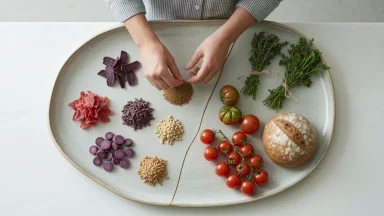
What exactly is American food? If you had to choose one dish to represent an entire nation, what would it be? For some, it’s the quintessential cheeseburger sizzling on a grill, a symbol of backyard barbecues and classic diners. For others, it might be a steaming bowl of New England clam chowder, a spicy plate of Southwestern enchiladas, or a slice of sweet apple pie. The truth is, there is no single answer, and that very complexity is what makes the nation’s culinary identity so fascinating.
The story of food in the United States is a direct reflection of its history—a rich narrative woven from Native American foundations, colonial adaptations, and successive waves of immigration. Each group that arrived brought with them the recipes and flavors of their homeland, planting them in new soil where they evolved. German frankfurters became hot dogs at baseball games, Italian flatbreads transformed into the deep-dish pizzas of Chicago, and West African cooking techniques laid the groundwork for the soul food of the South. It’s a cuisine built less on a single origin and more on a continuous process of fusion and reinvention.
This culinary journey will take you on a road trip across the country’s most distinct flavor regions. We’ll explore the smoky barbecue pits of the South, the fresh seafood traditions of the Northeast, the hearty comfort foods of the Midwest, and the chile-infused dishes of the Southwest. Beyond the main course, we’ll indulge America’s sweet tooth with iconic desserts and examine the unique culture of dining, from holiday feasts to the rise of the fast-food empire. Prepare to discover the diverse and delicious story of a nation on a plate.
The Melting Pot of American Cuisine: A Brief History
Trying to define “American food” is a bit like trying to describe a color that doesn’t exist. Is it a juicy burger, a slice of apple pie, or a bowl of spicy jambalaya? The answer, of course, is all of the above and so much more. American cuisine isn’t a single entity but a rich, evolving story of cultures colliding, blending, and creating something entirely new. It is a direct reflection of its people.
The culinary history of the United States is a fascinating journey that begins long before the first European ships arrived. It’s a story of adaptation and delicious reinvention.
From Native Roots to Colonial Spices
The original American pantry was stocked by Native American ingenuity. Key staples like corn (maize), beans, and squash—often called the “Three Sisters”—formed the backbone of diets across the continent for centuries. These ingredients weren’t just for sustenance; they were central to culture and community. Early colonial records from the Plimoth Patuxet Museums indicate that natives taught settlers how to cultivate and prepare these crops, with maize accounting for an estimated 60% of the early colonists’ diet.
When European settlers arrived, they brought their own culinary traditions and ingredients. Suddenly, the landscape included domesticated animals like pigs and cattle, along with wheat for flour. Spices from global trade routes—cinnamon, nutmeg, and cloves—began to flavor traditional stews and baked goods. This fusion created some of the earliest distinctly American dishes, blending native ingredients with European cooking methods, much like adding new spices to a familiar recipe from one of your favorite simple recipes for every day.
Waves of Immigration and Their Culinary Gifts
The real flavor explosion happened with subsequent waves of immigration. What would American food even be without the contributions of the millions who came seeking a new life? Each group brought recipes from their homeland, packed away like treasured heirlooms. These dishes were a source of comfort and a connection to their past.
German immigrants, for instance, are often credited with popularizing hamburgers and frankfurters (hot dogs). Italian arrivals introduced the joys of pasta and, most famously, pizza. Chinese laborers building the transcontinental railroad established communities where stir-frying techniques and ingredients like soy sauce became more common. Many of these foods started in tight-knit ethnic neighborhoods before bursting into the mainstream—sometimes leading to some quirky culinary fun facts about their origins.
What’s remarkable is how these foods adapted. Pizza in the U.S. developed a thicker crust and more abundant toppings than its Neapolitan ancestor. Chop suey, a classic of American Chinese cuisine, was an invention for American palates. This process of adaptation continues today, making the nation’s food scene a living, breathing thing. It proves that what we eat is a powerful part of our shared story.
Regional Specialties: A Taste Tour by Geography
Just as different dialects mark the country’s spoken language, regional food traditions draw delicious lines on the map. These culinary identities are shaped by history, climate, and the people who settled there, creating a rich collection of local flavors. Taking a taste tour of America reveals how deeply food is woven into the fabric of local culture.
The Deep South: Soulful Comfort and BBQ
Southern food is an experience rooted in hospitality and history. Soul food, with classics like fried chicken, collard greens, and macaroni and cheese, carries the legacy of African American culinary traditions. According to research from the Southern Foodways Alliance, many of these dishes trace their cooking methods and core ingredients directly back to West Africa. It’s food that tells a story.
Then there’s barbecue. This isn’t just one thing; it’s a fiercely debated art form. In the Carolinas, you’ll find pork shoulder with a vinegar-based sauce, while Memphis is famous for its dry-rubbed ribs. Head to Texas, and beef brisket reigns supreme, slow-smoked for hours until it’s unbelievably tender. The underrated factor here is the wood—hickory, mesquite, or oak—which imparts a distinct flavor that’s as important as the sauce (and yes, the arguments over which is best are legendary).
Northeast: Seafood, Clam Chowder, and Classic Deli
The Northeast coastline offers a bounty from the Atlantic. Lobster rolls, whether served warm with butter (Connecticut-style) or cold with mayo (Maine-style), are a quintessential summer treat. The sheer volume is impressive; the Maine Lobster Marketing Collaborative often reports annual catches exceeding 100 million pounds, highlighting its place as a regional cornerstone.
No discussion of the Northeast is complete without mentioning clam chowder. The creamy, potato-filled New England version stands in stark contrast to the tomato-based Manhattan style. Beyond seafood, the region’s cities gave rise to the iconic American deli. The pastrami on rye sandwich, born from Jewish immigrant traditions in New York City, is a masterpiece of cured meat, tangy mustard, and fresh rye bread. It’s a flavor profile that for many is as necessary to a morning in the city as finding some creative breakfast ideas.
Midwest: Hearty Staples and Farm-to-Table Traditions
Often called the “Heartland,” the Midwest is known for its agriculture and the comforting dishes that come from it. This is the land of the casserole, or “hotdish” as it’s known in Minnesota, where simple ingredients are combined into something deeply satisfying. Think Tater Tot Hotdish or a cheesy broccoli bake. It’s food designed to feed a family and warm you from the inside out.
But what most people miss is the region’s strong farm-to-table connection, which existed long before it became a trendy phrase. With access to incredible produce, dairy, and meat, Midwestern cooking is often deceptively simple. A sweet corn festival in Iowa or a Wisconsin fish fry showcases ingredients at their peak. Midwest food is like a reliable station wagon; it’s not trying to be flashy, but it always delivers comfort and substance.
Southwest: Spicy Fusions and Indigenous Ingredients
Southwestern cuisine is a vibrant blend of Spanish, Mexican, and Native American influences. The key ingredient is the chile pepper, which finds its way into everything from stews to sauces. New Mexico, in particular, has a culture built around it, where the official state question is “Red or green?”—referring to your choice of chile sauce. This little tidbit is one of those quirky culinary trivia facts that reveals a deep local identity.
Dishes like posole, enchiladas, and tamales use ingredients that have been cultivated in the region for centuries, including corn, beans, and squash. The flavors are earthy, complex, and often carry a significant amount of heat. How did this unique fusion develop? It was a slow process of cultures sharing techniques and ingredients over generations, resulting in a culinary identity that is entirely distinct from the rest of the country. This regional map, is constantly being redrawn as chefs and home cooks continue to experiment.
The biggest mistake home cooks make is using pre-shredded cheese. The anti-caking agents prevent it from melting into a smooth sauce.
— Sarah Jenkins, Culinary Instructor
| Region | Iconic Dishes | Primary Culinary Influences |
|---|---|---|
| The Deep South | Fried Chicken, Collard Greens, Brisket/Pork BBQ | African American, English, French, Native American |
| Northeast | Lobster Rolls, Clam Chowder, Pastrami on Rye | English, Irish, Italian, Jewish, Native American |
| Midwest | Casseroles (Hotdish), Deep-Dish Pizza, Fish Fry | German, Scandinavian, Polish, Italian |
| Southwest | Enchiladas, Posole, Chile Rellenos | Mexican, Spanish, Native American (Pueblo) |
America’s Sweet Tooth: Desserts and Iconic Treats
After exploring savory regional specialties, no culinary journey through the United States is complete without indulging its sweeter side. Apple pie is often hailed as the quintessential American dessert, but surprisingly, its roots trace back to England. The first recorded recipe for it appeared in 1381, centuries before the country was even founded. The phrase “as American as apple pie” only became popular in the early 20th century, cementing its place in the culture — a great example of the quirky culinary trivia that shapes our food identity.
Then there are brownies, a true American original. Legend holds that they were invented in Chicago’s Palmer House Hotel in 1893 at the request of Bertha Palmer for the World’s Columbian Exposition. She wanted a portable, cake-like dessert for ladies attending the fair. The result was a fudgy, rich confection topped with walnuts and an apricot glaze that you can still order there today.
What’s a dessert menu without cheesecake? While sweetened cheese cakes date back to ancient Greece, the American-style cheesecake we know and love owes its existence to the invention of cream cheese. In 1872, a New York dairy farmer accidentally created the rich, smooth cheese while trying to replicate French Neufchâtel. It became the defining ingredient, giving the American version its uniquely dense and creamy texture.
From pies to cookies and cakes, these treats are more than just sugar; they are baked into the nation’s history. They are often surprisingly easy to whip up at home, a perfect project for anyone looking for simple recipes for everyday joy. Each dessert carries a story, connecting generations through shared flavors and kitchen memories.
Beyond the Plate: The Culture of American Dining
In the United States, food is rarely just about what’s on the plate; it’s about where you are and who you’re with. The culture surrounding meals reveals a fascinating story of community, convenience, and tradition all at once. It’s a place where a slow-cooked family recipe and a quickly served burger both hold significant cultural weight.
Family Gatherings and Holiday Feasts
Many of the most powerful American food traditions happen right at home. From the sprawling Thanksgiving turkey dinner to a simple Sunday potluck, shared meals are the backdrop for family life. A family’s collection of recipe cards is a bit like a well-worn photo album, with each stain and handwritten note telling the story of gatherings past. These are the moments when cherished family recipes are passed down through generations.
The commitment to these meals seems to endure. A Cornell University study suggested that families who frequently eat together report stronger emotional bonds, with over 65% of teens citing these meals as important family time. What most people miss is how these gatherings are less about culinary perfection and more about connection.
It’s about showing up.
The Allure of Diners and Fast Food Innovations
Moving out of the home, the American dining culture is defined by accessibility and speed. The classic diner, with its counter service and bottomless coffee, became a community hub—a place for a quick breakfast or a late-night chat. Diners offered a specific kind of comfort, and their menus often provided a starting point for creative breakfast ideas that later became mainstream.
This desire for convenience eventually fueled the rise of fast food, which was supercharged by the nation’s growing car culture. Can you imagine a time before the drive-thru? The first one reportedly opened in 1947 at Red’s Giant Hamburg in Missouri, forever changing how people ate on the go. This period of rapid change is where some of the most quirky culinary trivia comes from—a testament to American ingenuity meeting public demand.
These establishments are more than just eateries; they are landmarks on a cultural road trip, making them an required stop on any real taste tour of America. The tension between the slow, intentional family meal and the fast, efficient public one continues to shape how Americans eat and connect over food.
Bringing American Flavors to Your Kitchen: A Simple Guide
Reading about a taste tour of America is one thing, but bringing those classic flavors into your own home is where the real fun begins. You don’t need a culinary degree or fancy equipment to master the heart of American comfort food. It’s all about simple techniques and good ingredients. This is your starting line for a delicious new hobby.
The entire process can be incredibly rewarding, turning a regular Tuesday night into a small celebration. Many find that cooking provides the same sense of calm and purpose as crafting a nurturing morning routine. It’s about creating something with your hands.
Choosing Your Iconic Dish
The first step is picking your culinary mountain to climb. Don’t start with a complex Thanksgiving turkey; think simpler. What comfort food speaks to you? For many, the ultimate starting point is classic, gooey Macaroni and Cheese. It’s forgiving for beginners and a universal crowd-pleaser.
Other great options include a perfect smash burger, fluffy buttermilk pancakes, or a batch of chocolate chip cookies. The key is to choose something you genuinely love to eat. Your enthusiasm is the most important ingredient in any recipe.
Necessary Ingredients Checklist
For a spectacular Mac and Cheese, your shopping list is surprisingly short. The secret is focusing on quality. “The biggest mistake home cooks make is using pre-shredded cheese,” explains Sarah Jenkins, a culinary instructor from Austin. “The anti-caking agents prevent it from melting into a smooth sauce.”
Here’s what you’ll typically need for a classic baked version:
- Pasta: Elbow macaroni is traditional, but shells or cavatappi work wonderfully to catch the sauce.
- Cheese: A sharp cheddar is non-negotiable for that classic tang. Consider adding a meltier cheese like Gruyère or Monterey Jack for creaminess.
- Dairy: Whole milk and a bit of heavy cream create a rich base. Don’t skimp here.
- The Roux: This is just a fancy word for a cooked paste of all-purpose flour and unsalted butter, which thickens your sauce.
- Seasonings: Salt, black pepper, a pinch of nutmeg, and maybe a dash of dry mustard are all you need.
- Topping (Optional): Panko breadcrumbs mixed with melted butter give you that irresistible crunchy top.
Step-by-Step Culinary Adventure
Making Mac and Cheese from scratch is like building with LEGOs; you follow a few basic connections to create something amazing. It’s one of those simple recipes that brings everyday joy. While exact measurements vary by recipe, the process is nearly always the same.
- Cook the Pasta: Boil your pasta until it’s just shy of fully cooked (al dente). It will finish cooking in the oven. Drain it and set it aside.
- Make the Roux: Melt butter in a saucepan, then whisk in the flour and cook for a minute. This step cooks out the raw flour taste.
- Create the Sauce: Slowly whisk the milk into the roux until smooth. Let it simmer and thicken slightly. The consistency should coat the back of a spoon.
- Melt the Cheese: Remove the sauce from the heat and stir in your shredded cheeses until completely melted and velvety. Season it well. But how do you know when it’s seasoned enough? Taste as you go!
- Combine and Bake: Mix the cheese sauce with your cooked pasta, pour it into a baking dish, top with breadcrumbs, and bake until golden and bubbly.
Homemade vs. Semi-Homemade: A Quick Review
Deciding between a fully from-scratch dish and a boxed mix isn’t a moral failing—it’s a practical choice based on time and energy. A survey from the Food Marketing Institute found that 58% of American households use a boxed dinner mix at least once a month. There’s no shame in getting a little help.
Making it from scratch offers complete control over the ingredients, allowing you to adjust salt levels, use high-quality cheeses, and avoid preservatives. The flavor is undeniably richer and more complex. The downside is that it requires more time, more dishes, and a bit more focus.
The semi-homemade approach, like using a boxed mix but adding your own flair, is a fantastic middle ground. You can elevate a standard box of Mac and Cheese by stirring in some freshly shredded Gruyère, adding roasted broccoli, or topping it with seasoned panko before baking. This gives you a taste of homemade flavor in a fraction of the time. Think of it as the perfect weeknight compromise.
The Next Chapter in American Cuisine
Having journeyed through the established flavors of the United States, from regional staples to national icons, it’s clear the nation’s menu is anything but static. The culinary ‘melting pot’ is not a relic of the past; it’s a kitchen that is still actively simmering, constantly incorporating new ingredients and ideas from around the globe. This raises an exciting question: what will be considered classic American food a generation from now? As culinary traditions from Latin America, Southeast Asia, and Africa become more deeply integrated into the mainstream, the next iconic dish might be something we can’t even yet imagine, proving that the most authentic American flavor is, and has always been, change itself.
Frequently Asked Questions
What is considered the national dish of the United States?
The United States does not have an official national dish, a reflection of its incredible culinary diversity. the hamburger is widely considered the unofficial contender due to its nationwide popularity. Apple pie also holds a strong symbolic status, often associated with American culture and tradition.
How have fast food chains influenced American culinary identity?
Fast food chains have profoundly shaped American culinary identity by standardizing certain foods like burgers, fries, and fried chicken, making them accessible nationwide. They championed a culture of speed and convenience, especially with innovations like the drive-thru, which exported a specific image of American dining to the rest of the world.
Are there any unique American breakfast traditions?
Yes, America has several distinct breakfast traditions. The classic diner-style breakfast featuring pancakes, bacon, sausage, and eggs is iconic. Regionally, the South is known for dishes like biscuits and gravy or grits, showcasing a preference for hearty, comforting morning meals that vary significantly across the country.
What role do local ingredients play in regional American cuisine?
Local ingredients are the cornerstone of regional American cuisine, creating distinct culinary identities. For example, the abundance of fresh lobster defines New England’s food scene, while New Mexico’s identity is inseparable from its native chile peppers. This reliance on local agriculture and geography is what makes each region’s food unique.
Can foreign dishes become ‘American’ food?
Absolutely. Many iconic American foods originated elsewhere, such as pizza from Italy and hot dogs from Germany. These dishes were brought by immigrants and adapted over generations to suit local tastes and ingredients, eventually becoming so integrated into the culture that they are now considered quintessentially American.