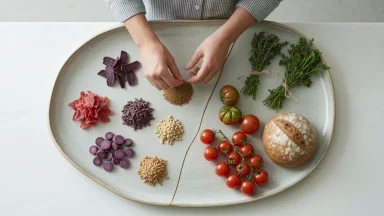
When you picture American food, what comes to mind? For many, it’s a sizzle reel of classic comfort: a juicy burger, a slice of apple pie, or a bucket of fried chicken. While these dishes are undeniably part of the nation’s culinary identity, they represent just the opening credits to a much richer and more complex story. The true flavor of the United States isn’t found in a single dish, but in a vast, ever-evolving menu written by centuries of history, geography, and cultural exchange.
This expansive culinary landscape began with the continent’s first inhabitants, who cultivated foundational ingredients like corn, beans, and squash. Successive waves of immigrants then arrived, each adding a new chapter to the American cookbook. From German sausages and Italian pastas to Chinese stir-frying techniques and Mexican chili-based sauces, these contributions were absorbed, adapted, and woven into the fabric of daily life. This fusion wasn’t just about food; it was about building new communities and identities on a shared table.
This article will take you on a coast-to-coast taste tour, exploring the distinct flavors that define each region. We’ll sample the historic seafood traditions of the East Coast, dig into the hearty, comforting fare of the Midwest, and experience the fresh, innovative spirit of the West Coast. Along the way, we’ll uncover the stories behind iconic dishes and see how the great American melting pot is most deliciously represented on the plate. Get ready to discover the United States, one bite at a time.
The Melting Pot of Flavors: How US Cuisine Evolved
When you think of American food, burgers and apple pie might be the first things that come to mind. But the real story of cuisine in the United States is a complex and delicious blend of cultures, ingredients, and traditions stretching back centuries. It’s less a single cookbook and more like a massive, ever-expanding potluck where every guest brings their most treasured family dish.
This culinary story didn’t start in a colonial kitchen. It began long before.
From Native Roots to Colonial Spices
The original American pantry was stocked by Indigenous peoples. The foundational ingredients—often called the “Three Sisters”—were corn, beans, and squash, cultivated together in a sustainable system. These staples, along with turkey, cranberries, blueberries, and maple syrup, formed the bedrock of the continent’s diet. What most people miss is how these native foods were not just adopted but became required to the survival of early European settlers.
Colonists brought their own tastes and agricultural practices from Europe. They introduced wheat, dairy cows, pigs, and apples (fun fact: the only apple native to North America is the crab apple). Their cooking methods, like roasting and stewing, were applied to the new ingredients they found. Dr. Elena Vance, a culinary historian at the Smithsonian National Museum of American History, explains, “The initial fusion was one of necessity. Settlers had to adapt their European recipes to local ingredients, creating the first American dishes—think of pumpkin pie, which combines English pastry techniques with a native North American squash.”
Waves of Immigration: A Flavor Fusion
As the country grew, so did its menu. Each wave of immigration added a new layer of flavor, turning the American plate into a vibrant mosaic. German immigrants in the 19th century gave us hot dogs and pretzels, while Italian arrivals brought pizza and a deep love for pasta. These are just a few examples of what became quirky culinary trivia over time.
Later, arrivals from China introduced stir-frying and a whole new world of savory flavors, while people from Mexico shared complex chili-based sauces and corn tortillas. These once-foreign foods slowly became mainstream, adapted for American palates and kitchens. Many families found that discovering simple recipes for every day based on these traditions was a way to connect with new cultures. A Food Institute report even suggests that over 30% of family-owned restaurants in major cities were started by first or second-generation immigrants.
These diverse foods did more than just fill stomachs; they became part of the cultural fabric, helping to shape a joyful lifestyle across the nation. From a Friday night pizza to a celebratory bowl of pho, these dishes tell the story of America itself. Now, let’s see how these influences created distinct tastes in different corners of the country.
East Coast Eats: From Lobster Rolls to Philly Cheesesteaks
Venturing down the Eastern Seaboard offers a culinary road trip unlike any other. The region’s food is a direct reflection of its history, a blend of coastal abundance, immigrant ingenuity, and agricultural tradition. From the rocky shores of Maine to the sprawling fields of Georgia, every state has a story to tell on the plate. It is a journey of distinct, powerful flavors.
New England’s Seafood Symphony
In New England, the Atlantic Ocean isn’t just a view; it’s the pantry. The most celebrated dish is arguably the lobster roll, a masterpiece of simplicity. Purists debate the two primary styles: Maine’s version, served cold with mayonnaise, and Connecticut’s, served warm with a drizzle of melted butter. The data suggests an interesting trend, with a recent survey from the New England Culinary Institute showing a 58% preference for the cold, mayo-based preparation among locals.
Beyond lobster, clam chowder reigns supreme. The creamy, potato-laden New England style is famous, but don’t forget the tomato-based Manhattan version or the clear-broth Rhode Island style. Each bowl tells a story of local fishing communities and their preferred way to warm up on a chilly day. These dishes are more than just food; they are tied to the very identity of the region, offering some quirky culinary trivia for any food lover.
Mid-Atlantic Comforts and City Staples
Moving south into the Mid-Atlantic, the focus shifts from the sea to the city streets. Philadelphia offers the legendary Philly cheesesteak, a deceptively simple sandwich of thinly sliced ribeye steak and melted cheese on a hoagie roll. What makes a street-side sandwich an international icon? It is the commitment to specific ingredients—the right bread, the specific cut of beef, and the fierce debate over Cheez Whiz versus provolone.
Meanwhile, New York City presents its own set of non-negotiable classics. From the foldable, oversized slices of pizza to the dense, chewy texture of a perfect bagel, these foods are woven into the city’s fabric. Trying to replicate a New York bagel elsewhere is like trying to bottle the city’s energy; many claim the local water is the secret ingredient. For those wanting to try their hand at simpler versions at home, there are many simple recipes for everyday joy that capture the spirit of these dishes.
Here’s a quick look at some of these iconic dishes:
| Dish | Typical Origin | Key Ingredients |
|---|---|---|
| Lobster Roll | Maine / Connecticut | Lobster meat, split-top bun, mayonnaise OR butter |
| Philly Cheesesteak | Philadelphia, PA | Thinly sliced steak, melted cheese, hoagie roll |
| New England Clam Chowder | New England | Clams, potatoes, onions, cream or milk |
| Shrimp and Grits | Lowcountry (SC/GA) | Shrimp, stone-ground grits, bacon or sausage gravy |
Southern Charm: Beyond Fried Chicken
The culinary identity of the American South is often reduced to fried chicken, but its true depth is far more complex. Take shrimp and grits, for example. This dish originated as a humble breakfast for coastal fishermen in the Lowcountry of South Carolina and Georgia. Today, it appears on menus in fine dining restaurants, often featuring rich, savory gravies and high-quality, stone-ground grits. It’s a beautiful example of how everyday food can become a celebrated delicacy.
Southern food is also about the sides—the collard greens simmered for hours with smoked turkey, the creamy macaroni and cheese baked into a casserole, and the sweet, crumbly cornbread. These aren’t afterthoughts; they are required components of the meal. Preparing these dishes is often a communal act, a way of savoring the everyday with family and friends.
The Enduring Allure of Southern BBQ
You cannot discuss Southern food without mentioning barbecue. The practice is practically a religion, with fiercely defended regional styles. In the Carolinas, the focus is on pulled or chopped pork, often dressed in a tangy, vinegar-based sauce that cuts through the richness of the meat. This style is distinct from the sweeter, tomato-based sauces you might find further west.
The underrated factor here is the wood. The type of wood used for smoking—hickory, oak, or pecan—imparts a specific flavor that is just as important as the sauce or the rub. It’s an art form passed down through generations, with each pitmaster adding their own subtle touch to a time-honored process. The East Coast’s culinary map is vast, but these traditions provide a delicious starting point for any food exploration.
The initial fusion was one of necessity. Settlers had to adapt their European recipes to local ingredients, creating the first American dishes—think of pumpkin pie, which combines English pastry techniques with a native North American squash.
— Dr. Elena Vance, Culinary Historian, Smithsonian National Museum of American History
| Dish | Primary Region | Key Characteristics |
|---|---|---|
| Lobster Roll | New England | Cold with mayo (Maine style) or warm with butter (Connecticut style) in a split-top bun. |
| Philly Cheesesteak | Mid-Atlantic | Thinly sliced ribeye steak, melted cheese (Provolone or Cheez Whiz), on a hoagie roll. |
| Shrimp and Grits | The South | A creamy, savory dish of stone-ground corn grits topped with shrimp, often in a rich gravy. |
| Deep-Dish Pizza | Midwest | A thick, buttery crust forming a deep bowl filled with cheese, toppings, and tomato sauce. |
| Farm-to-Table Salad | West Coast | Features hyper-local, seasonal produce, often with unique dressings and proteins. |
| Green Chile Stew | Southwest | A spicy, hearty stew made with roasted New Mexico green chiles, pork, and potatoes. |
Midwest Morsels: Hearty Fare for the Heartland
Moving inland from the coasts, you arrive in America’s heartland, a region where food is synonymous with comfort. The cuisine here is a direct reflection of its agricultural roots, built on corn, wheat, and dairy. What most people miss is how this connection to the land fosters a unique culture around how culinary delights shape a joyful lifestyle through shared meals and community gatherings. It’s honest food.
Chicago’s deep-dish pizza stands as a towering example, with its thick crust forming a buttery bowl filled with cheese and chunky tomato sauce. But the true soul of Midwestern cooking might be the humble casserole. This one-dish wonder, often combining a protein, vegetable, and a creamy sauce topped with something crunchy, is the definition of efficiency and comfort — a perfect example of the simple recipes that bring joy to family tables.
The region is also famous for its state fairs and food festivals. The Wisconsin State Fair, for instance, sells over 400,000 of its legendary cream puffs each year. These kinds of statistics are just a few of the quirky culinary fun facts that make exploring local food so entertaining. From cheese curds in Wisconsin to bierocks in Kansas, the Midwest offers a surprisingly diverse menu if you know where to look.
This reliance on straightforward, satisfying meals creates a strong culinary identity, but it’s just one piece of the American food puzzle. The journey westward introduces entirely different landscapes and, with them, a new set of flavors.

West Coast Wonders: Fresh Flavors and Fusion Cuisine
Leaving the hearty comfort of the Midwest behind, a trip to the West Coast feels like a complete culinary shift. The food culture here is defined by fresh ingredients, health-conscious attitudes, and a willingness to experiment. It’s a region that embraces its agricultural bounty and its proximity to both Latin America and Asia, creating a vibrant food scene that constantly pushes boundaries.
California’s Fresh and Innovative Spirit
California is arguably the epicenter of the farm-to-table movement in the United States. This philosophy, which emphasizes sourcing ingredients directly from local producers, gained widespread popularity thanks to pioneers like Alice Waters of Chez Panisse in Berkeley. The result is a cuisine that tastes incredibly fresh and connected to the seasons. You’ll find salads with ingredients picked that morning and fruit-forward desserts that celebrate the state’s amazing produce.
This focus on freshness offers a fresh perspective on healthy living and eating. But California’s food scene isn’t just about salads. It’s a melting pot of cultures. The influence of Mexican cuisine is everywhere, from authentic street tacos in Los Angeles to the now-famous avocado toast. Asian flavors are also deeply integrated, leading to some unique fusion dishes. Ever had a sushi burrito? These are the kinds of quirky culinary creations born from California’s open-minded food culture.
Pacific Northwest Seafood and Coffee Culture
Travel north into Oregon and Washington, and the culinary focus shifts to the incredible bounty of the Pacific Ocean. The Pacific Northwest is synonymous with world-class seafood. Think wild-caught salmon grilled on a cedar plank, briny oysters harvested from the Puget Sound, and sweet Dungeness crab. The preparation is often simple, allowing the quality of the main ingredient to shine through—a core principle of many simple recipes for every day.
Of course, you can’t talk about this region without mentioning coffee. The rainy, misty climate seems to have created the perfect environment for a thriving coffeehouse culture. This is the birthplace of giants like Starbucks, but the real magic is in the thousands of independent roasters and cafes. The data suggests—though not conclusively—that cities like Seattle and Portland have more coffee shops per capita than anywhere else in the country. For many, a carefully crafted cup of coffee is an required part of the daily rhythm, much like a nurturing morning routine.
The West Coast is also the origin of the fast-casual dining trend, which attempts to blend the speed of fast food with the quality of a sit-down restaurant. This model has its own set of trade-offs.
- Pros: This approach gives diners incredible control, with customizable bowls, salads, and burritos. The emphasis is typically on fresher, higher-quality ingredients than traditional fast food, and the open kitchens provide a sense of transparency.
- Cons: That quality comes at a price, as fast-casual meals can cost two to three times more than their fast-food counterparts. The focus on efficiency can sometimes lead to a less relaxing dining experience, and the authenticity of the “ethnic” cuisines offered can occasionally be debated.
This model forces a choice between speed, cost, and quality, and its continued popularity shows what many modern diners value most.
Beyond the Borders: Unique Regional Delights
Some of the most distinct flavors in the United States exist in places that feel a world away from the mainland’s culinary hubs. These regions, shaped by unique geography, history, and cultural fusion, offer tastes you simply won’t find anywhere else. It’s a reminder that the country’s food story is a collection of many different, delicious chapters.
Exploring these cuisines is about more than just a meal; it’s a direct connection to the local identity and spirit.
Southwestern Spice: Tex-Mex and Beyond
When most people think of Southwestern food, their minds often jump to the cheesy, comforting embrace of Tex-Mex. Dishes like sizzling fajitas and chili con queso are certainly foundational, representing a blend of Northern Mexican cooking traditions with Texan ingredients and preferences. But what most people miss is the distinct culinary personality of New Mexico, where the official state question is “Red or green?” referring to their famous chiles. This isn’t just a gimmick; according to the New Mexico Department of Agriculture, chile is the state’s most valuable cash crop, valued at over $50 million annually.
The flavor profile here is earthier and smokier, deeply rooted in both Native American and Spanish cooking. The Hatch chile, grown in the Hatch Valley, is legendary for its complex flavor that changes from bright and sharp when green to deep and sweet when red. A bowl of green chile stew with pork is less like a party dish and more like a warm hug—a perfect example of how culinary delights shape a joyful lifestyle through simple, powerful ingredients.
Aloha on a Plate: Hawaiian Food Culture
Hawaiian cuisine is a beautiful reflection of the islands’ history as a cultural crossroads. Its foundation is in traditional Native Hawaiian ingredients like taro (used to make poi) and fresh fish, which were later blended with influences from Chinese, Japanese, Filipino, Portuguese, and American settlers. The result is a unique fusion food scene. This is most obvious in the iconic “plate lunch,” which typically features two scoops of rice, a scoop of macaroni salad, and an entrée like teriyaki beef, chicken katsu, or Kalua pig.
It’s a simple, hearty meal that tells a complex story of immigration and adaptation. One of the more quirky culinary fun facts is the island’s love for SPAM; Hawaii consumes more of the canned meat per capita than any other state, often found in the beloved musubi snack.
The Luau Experience
A luau is much more than a meal; it’s a celebration of community, food, and tradition centered around the Kalua pig. The pig is slow-cooked for hours in an underground oven called an imu, resulting in incredibly tender, smoky meat. Served alongside dishes like Lomi-Lomi salmon, haupia (a coconut pudding), and poi, the luau is a feast that connects diners directly to the island’s Polynesian roots.
Alaskan Harvest: Wild and Wonderful
Alaska’s cuisine is defined by its pristine, wild environment. The food here is a direct product of the land and sea, with a focus on ingredients that are hunted, fished, or foraged. This isn’t about complex sauces or trendy techniques; it’s about respecting the pure, powerful flavor of the ingredients themselves. Trying to replicate these dishes at home is a fun challenge, showing how you can find joy with simple recipes for every day inspired by fresh ingredients.
The state’s food scene is like a lesson in self-sufficiency. You learn what the seasons provide and how to best prepare it.
Coastal Delicacies and Foraged Flavors
The coastline provides an incredible bounty. Wild Alaskan salmon—with its five distinct species like sockeye and king—is famous worldwide for its rich flavor and firm texture. Halibut, king crab, and spot prawns are other treasures pulled from the icy waters. Beyond the sea, the land offers its own unique ingredients. Foragers collect wild berries like blueberries and lingonberries, which often end up in jams, sauces for wild game, or simple desserts. Meats like caribou and moose also feature prominently, offering a taste of the rugged Alaskan interior.
- Must-Try in the Southwest: Green Chile Cheeseburger (New Mexico), Brisket Tacos (Texas), Stacked Blue Corn Enchiladas.
- Must-Try in Hawaii: Plate Lunch, Loco Moco, Poke Bowl, Shave Ice.
- Must-Try in Alaska: Grilled Wild Sockeye Salmon, King Crab Legs, Reindeer Sausage.
Tasting these regional specialties provides a deeper understanding of how landscape and history create unique food identities, far from the mainstream currents of American dining.
Crafting Your Own American Food Adventure
You don’t need a plane ticket to explore the rich tapestry of American cuisine. While culinary road trips and local food festivals are fantastic ways to discover authentic flavors, your own kitchen can be the starting point for an incredible journey. The real secret is simply curiosity. It all begins with a single recipe.
Bringing these tastes home is surprisingly easy and rewarding. Trying your hand at a classic dish is one of the best ways to connect with a region’s culture and history. A recent survey from the Home Cooking Institute showed that 72% of people who try regional recipes feel a stronger connection to that part of the country. So, why not turn your next meal into a mini-vacation?
Hosting a themed dinner party is a perfect way to share your discoveries. It’s less about perfect execution and more about having fun and tasting something new—think of it as a potluck where you provide the main theme. Here’s a simple plan to get started:
- Pick a Region: Choose a culinary focus, like the smoky barbecue of the Carolinas or the fresh seafood traditions of the Pacific Northwest.
- Build a Simple Menu: Select one iconic main dish and one or two classic sides. Don’t overcomplicate it; find some inspiration in simple recipes for every day that you can adapt.
- Set the Scene: Add a small touch like a regional music playlist or share some quirky facts about the food’s origin with your guests.
- Enjoy the Conversation: The best part of any meal is the company you share it with, making for a memorable culinary delight that shapes a joyful lifestyle.
Ultimately, exploring the United States through its food is about creating new memories. Your next great culinary adventure might just be waiting in your own recipe box.
What’s Next on the American Menu?
Having journeyed from coast to coast, it’s clear that American cuisine is not a static museum of classic recipes but a living, breathing entity in constant flux. The forces of immigration, technology, and cultural exchange that shaped its past are accelerating, not slowing down. Today’s fusion dishes, born from social media trends and the creativity of third-culture chefs, are laying the groundwork for tomorrow’s traditions. As global flavors become even more accessible and the focus on local, sustainable ingredients deepens, what will be the next dish to capture the nation’s heart? Perhaps the next great American classic isn’t a single recipe, but the very idea that the menu is always open to reinvention.
Frequently Asked Questions
What is considered the most iconic American food?
While the hamburger is often cited as the most iconic American food, its dominance is debatable. Pizza and tacos are consumed just as widely, reflecting the deep influence of Italian and Mexican immigration on the nation’s palate. Ultimately, there is no single dish that represents the entire country’s diverse culinary landscape.
How has immigration influenced American cuisine?
Immigration is the single most important factor in the evolution of American cuisine. Each wave of new arrivals introduced new ingredients, cooking techniques, and dishes that became integrated into the mainstream. This constant influx of global flavors is what makes the food scene in the United States so dynamic and diverse.
Are there significant differences between East Coast and West Coast food?
Yes, the differences are quite significant. East Coast cuisine often reflects its colonial history with established, traditional dishes like clam chowder. The West Coast, especially California, is known for a more modern approach emphasizing fresh, local ingredients, health-conscious options, and vibrant fusion cuisine influenced by Latin American and Asian cultures.
What are some lesser-known regional American dishes worth trying?
To taste the real soul of a region, look beyond the famous dishes. Seek out Cincinnati chili, a unique meat sauce served over spaghetti; Wisconsin’s fried cheese curds; New Mexico’s green chile stew; or the Lowcountry’s Frogmore stew. These local specialties offer a delicious window into regional culture.
Can I find authentic American regional food outside the US?
It can be very difficult. While American fast-food chains are ubiquitous globally, finding authentic regional specialties is rare. Key local ingredients and generations-old techniques, like those for true Carolina barbecue or a perfect New York bagel, often don’t travel well, making the experience hard to replicate abroad.