What if the banana in your fruit bowl is technically a berry, but the strawberry sitting next to it is not? Our kitchens and dinner tables are full of these delightful deceptions and hidden histories, where common sense collides with botanical science and everyday ingredients carry the weight of empires. The food we consume daily is more than just fuel; it’s a living museum of history, culture, and surprising scientific quirks.
From the moment our ancestors first savored honey-drenched fruit, the story of food has been one of constant evolution. Ingredients we now take for granted, like salt and sugar, were once so valuable they were used as currency and displayed as symbols of immense wealth. The journey of a single peppercorn from a vine to your shaker is a tale of exploration, trade routes, and conflict that reshaped the world. These stories are hiding in plain sight, waiting in our pantries and produce aisles.
This journey into the world of culinary trivia will peel back the label on your favorite foods to reveal their true identities. We’ll explore why tomatoes ended up in a Supreme Court case, uncover the propaganda behind carrots and eyesight, and learn the legendary origin of your morning coffee. Prepare to question everything you thought you knew about what’s on your plate, transforming your next meal into a genuine adventure.
The Sweet Truth: Surprising Secrets of Desserts
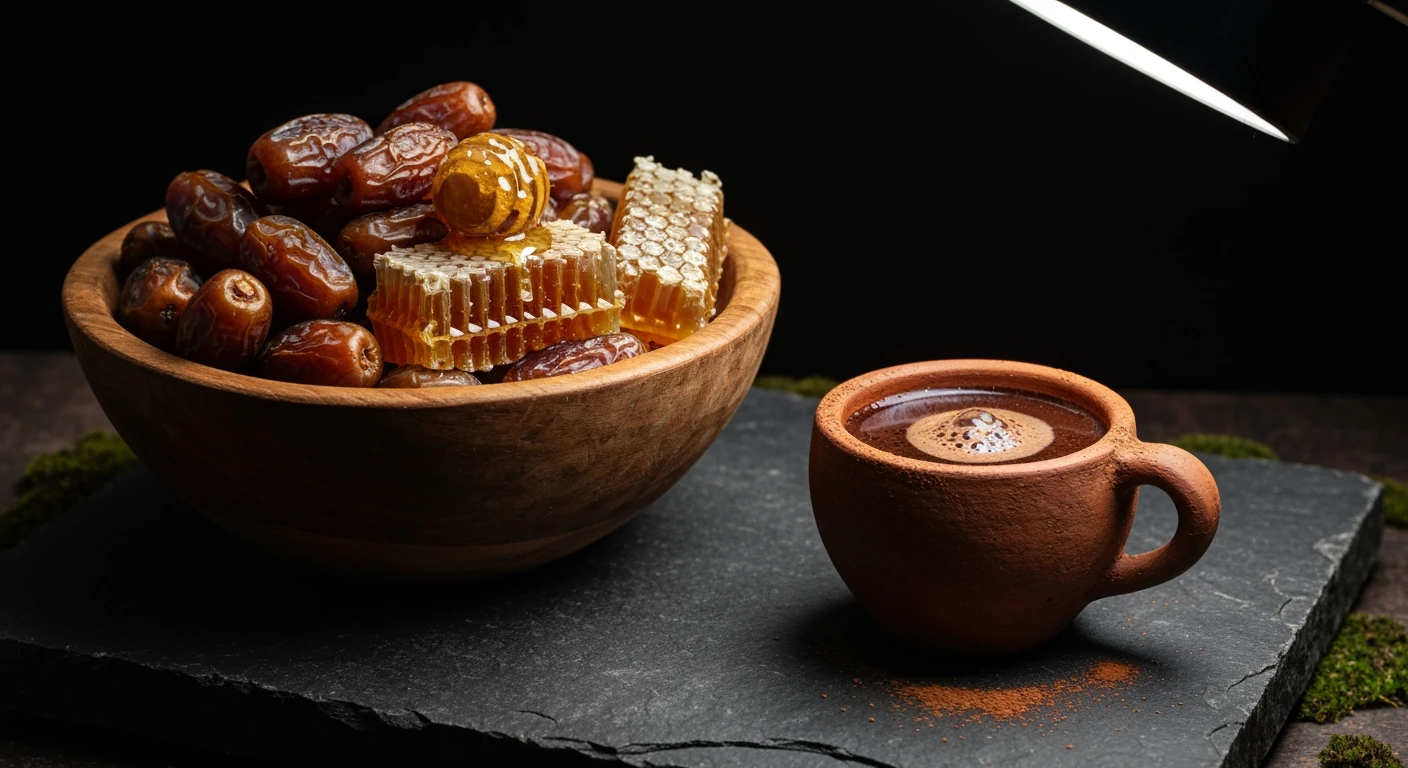
Most of us think of dessert as a modern indulgence, a sugary reward at the end of a meal. The story of sweets, is a rich and winding one that began thousands of years before the first frosted cupcake ever saw the light of day. Our ancestors satisfied their sweet cravings with whatever nature provided, from honey-drenched fruits in ancient Rome to sun-dried dates in the Middle East.
These early treats were simple. They were rustic. But they laid the groundwork for the complex confections we adore today, proving that the desire for something sweet is a deeply human experience.
From Ancient Treats to Modern Delights
Chocolate holds a particularly fascinating place in dessert history. Long before it became a candy bar, cacao was a revered ingredient. What most people don’t realize is that the Olmecs of southern Mexico were processing cacao as early as 1900 B.C., according to researchers at the University of Pennsylvania. They prepared it as a bitter, frothy drink, not a sweet solid — a far cry from the hot fudge sundaes we know. The Mayans and Aztecs later adopted the practice (and yes, they even used cacao beans as currency).
So, when did the big shift happen? The widespread availability of sugar was the turning point. When sugarcane plantations began operating on a larger scale and exports to Europe increased around the 16th century, sugar slowly transitioned from a costly spice for the ultra-wealthy to a more accessible staple. This change acted like a key turning a lock, opening the door for pastry chefs and home cooks to experiment with new techniques, from delicate meringues to rich cakes, many of which form the basis for today’s simple recipes.
Beyond Chocolate: Global Dessert Surprises
While Western palates often default to chocolate or vanilla, dessert traditions worldwide offer a kaleidoscope of flavors and textures. The philosophy of what constitutes a “dessert” changes dramatically from one culture to another. It’s not always about a sugar rush.
Consider the contrast between a classic French macaron and Japanese mochi. The macaron is an airy, crisp cookie made from almond flour and egg whites, delivering a direct hit of sweetness. Mochi, is crafted from glutinous rice flour, resulting in a chewy, subtle texture, often filled with anko (sweet red bean paste). The sweetness is understated, highlighting the earthy flavor of the beans. Exploring these differences can lead to amazing culinary adventures right in your kitchen.
Many cultures also skillfully blur the line between sweet and savory. In the Philippines, you might find cheese in your ice cream (queso flavor), while Indian desserts frequently incorporate ingredients like cardamom, rosewater, and even chickpea flour. These traditions remind us that savoring the everyday moments can come from unexpected flavor pairings.
Thinking about these global variations completely reframes what a final course can be, suggesting possibilities far beyond what’s in a typical bakery case.
Garden to Table: Peculiarities of Fruits & Vegetables
Walking through the produce aisle feels routine, but it’s a space filled with botanical impostors and scientific surprises. The neat labels we use in the kitchen often clash with the world of botany, leading to some strange classifications. What we think we know about our favorite fruits and vegetables is often just the surface layer of a much more interesting story.
Many of these misunderstandings are simply a case of culinary versus botanical definitions. Think of it like a mechanic and a driver talking about a car; they use different terms for the same parts because their goals are different. One is for cooking, the other for scientific classification. This simple distinction is the source of endless delightful fun facts.
Are Tomatoes Fruits? The Great Debate
This is the classic trivia question, and the answer is a resounding “yes.” Botanically, a fruit develops from the flower’s ovary and contains seeds. Tomatoes, cucumbers, peppers, and even pumpkins fit this description perfectly. They are all fruits.
So why do we call them vegetables? The confusion became so significant that it reached the U.S. Supreme Court in 1893. In the case of Nix v. Hedden, the court ruled that tomatoes should be taxed as vegetables, not fruits, because they are served with dinner and not as dessert. That legal decision cemented their culinary identity — a great example of how our daily culinary adventures can sometimes defy science.
Vegetables with Hidden Powers
Beyond classification debates, many vegetables possess unique qualities we often overlook. For instance, many people reach for an orange for a dose of vitamin C, but what most people miss is that some green vegetables are even more packed with it. According to the USDA, a single cup of chopped broccoli contains over 81 milligrams of vitamin C, significantly more than the 53 milligrams found in a medium orange.
It’s not just about vitamins. The humble potato, now a staple food, was once considered so exotic and beautiful in 16th-century Europe that it was grown primarily as an ornamental flower in botanical gardens. People were suspicious of eating the tuber. It’s funny to imagine something we now turn into french fries was once treated like a prize rose.
This is a powerful reminder.
Myth vs. Fact: Produce Edition
Decades of kitchen wisdom and marketing campaigns have created a few persistent myths about our produce. Let’s clear up a couple of the most common ones.
Strawberries Aren’t Berries (Botanically Speaking)
This one feels like a betrayal. Despite their name, strawberries aren’t true berries from a botanical standpoint. A berry is a fleshy fruit produced from a single ovary of a single flower. Strawberries, are “aggregate accessory fruits,” with their seeds—which are technically the actual fruits—dotting the exterior. But if a strawberry isn’t a berry, then what is? Surprisingly, bananas, avocados, grapes, and even eggplants are all technically berries. The world of produce is full of these little surprises, making even simple recipes a bit more interesting.
Carrots Improve Eyesight (Partially True)
The idea that carrots give you exceptional night vision is a clever piece of historical propaganda. During World War II, the British Royal Air Force spread this story to hide its new, secret radar technology that helped pilots spot enemy bombers at night. They wanted their enemies to think their success came from a diet rich in carrots.
The truth is more nuanced. Carrots are rich in beta-carotene, which the body converts into Vitamin A, an required nutrient for good vision. Vitamin A deficiency can cause night blindness, so eating carrots helps maintain healthy eyes. But they won’t give you superhuman sight. It’s a great lesson in how a small truth can grow into a giant myth.
Over 70% of dining etiquette rules are linked to historical resource availability and social hierarchy. They are the living history of a culture served on a plate.
— Dr. Lena Petrova, International Culinary Institute
| The Common Item | The Surprising Truth |
|---|---|
| Tomato | Botanically a fruit, but legally classified as a vegetable in the U.S. since an 1893 Supreme Court ruling. |
| Strawberry | Despite its name, it’s not a true berry. It’s an “aggregate accessory fruit,” and its seeds are the actual fruits. |
| Banana | Surprisingly, from a botanical perspective, the banana is classified as a berry. |
| Salt | It was so valuable in ancient Rome that soldiers were sometimes paid with it, giving rise to the word “salary.” |
| Black Pepper | Once known as “black gold,” peppercorns were so prized in the Middle Ages they were used to pay rent and taxes. |
Kitchen Curiosities: Everyday Items, Extraordinary Tales
Beyond the fresh produce aisle, your pantry holds items with histories more dramatic than you might imagine. Take salt, for instance. Its value was once so high that Roman soldiers were paid in it, giving us the word “salary.” This is just one of many delightful fun facts that hide in plain sight within our kitchens.
Sugar shares a similar story of luxury. In the 16th century, it was known as “white gold” and was so exclusive that a single sugar cone could be displayed as a status symbol at banquets. According to historical records from the University of York, a kilogram could cost the equivalent of a skilled laborer’s monthly wage. Can you imagine that kind of expense for the main ingredient in one of our simple everyday recipes?
Even black pepper had its day in the sun.
Peppercorns were so prized they were used to pay rent, taxes, and even dowries — a far cry from their humble place next to the salt shaker today. The global spice trade was, in many ways, like a high-stakes treasure hunt, driving exploration and conflict for centuries. What most people miss is how these once-precious goods now form the accessible foundation of our modern culinary delights.
These staples remind us that every ingredient has a story, often filled with more adventure and intrigue than the meals they end up in.
Beverage Wonders: Sips of Surprising Information
From pantry staples to the liquids we mix them into, the story of what we consume is full of surprises. The jump from a pinch of salt to a morning cup of coffee is shorter than you might think, as both have shaped trade, culture, and daily routines across the globe.
The Journey of Your Morning Brew
That energizing cup of coffee has a legendary origin story involving dancing goats. According to popular lore, an Ethiopian goat herder named Kaldi noticed his flock became unusually frisky after eating berries from a particular tree. He shared his discovery with a local abbot, who made a drink from the berries and found it kept him alert during long evening prayers. It’s a fun tale.
Today, coffee is a global commodity, with over 2.25 billion cups consumed daily worldwide. But how you prepare your coffee dramatically impacts its flavor profile. Choosing a brewing method is like picking the right knife for a kitchen task; each one is designed for a different outcome. What most people miss is how much the brewing process can alter the final taste in their personalized morning routine.
Let’s look at two popular methods:
- Drip Coffee Maker: This is the classic, automatic machine. Pros: It’s incredibly convenient, consistent, and can make large batches easily. Cons: You have less control over variables like water temperature and brew time, which can lead to a less nuanced flavor.
- French Press: This method involves steeping coffee grounds in hot water before pressing them down with a plunger. Pros: It allows for full immersion, resulting in a rich, full-bodied cup. Cons: It can be messy to clean and often leaves a small amount of sediment at the bottom of your mug — a dealbreaker for some!
Tea Time: More Than Just a Drink
Tea, boasts an even older history, purportedly discovered in 2737 B.C. by Chinese Emperor Shen Nung. The story claims that while he was boiling water in his garden, a leaf from a wild tea tree blew into his pot. Intrigued by the resulting aroma, he took a sip and found the brew refreshing.
This simple accident blossomed into complex cultural traditions. Think of the formal Japanese tea ceremony or the British institution of afternoon tea, a practice that began in the 1840s to bridge the long gap between lunch and dinner. For many, making tea is a simple ritual of relaxation and a break from a hectic day.
Surprisingly, all types of tea—black, green, oolong, and white—come from the same plant, Camellia sinensis. The differences in flavor and color are determined by how the leaves are processed after being picked. So next time you’re enjoying a cup, remember you’re taking part in a tradition that spans millennia and connects you to one of the most interesting daily culinary adventures available.
Global Gastronomy: Unbelievable Food Traditions
What is considered polite at one dinner table can be a major faux pas at another. Navigating global food customs is like learning the local traffic rules; what works in one city is a recipe for disaster somewhere else. These traditions are deeply woven into culture, shaping social interactions and expressing community values in ways that often surprise outsiders.
Dining Etiquette: What’s Polite Where?
In Japan, slurping your noodles loudly is not just acceptable—it’s a sign of appreciation, signaling to the chef that you are thoroughly enjoying your meal. Conversely, doing the same in a North American or European restaurant might earn you some sideways glances. It’s all about context. The same principle applies in countries like Ethiopia, where eating with your right hand from a communal platter is a sign of friendship and trust.
This is a worldwide phenomenon. Dr. Lena Petrova, a sociologist specializing in food culture at the International Culinary Institute, explains that “over 70% of dining etiquette rules are linked to historical resource availability and social hierarchy.” What most people miss is that these aren’t arbitrary rules. They are the living history of a culture served on a plate.
Ingredients That Will Surprise You
Beyond how people eat is the question of what they eat. While a steak or salad might seem universal, many cultures embrace ingredients that challenge the typical palate. In Southeast Asia, the durian is known as the “king of fruits,” revered for its creamy texture but infamous for an odor so powerful it’s banned on public transportation in several countries. It’s an acquired taste, to say the least.
And then there’s Iceland’s Hákarl, which is fermented Greenland shark. The preparation process is a centuries-old tradition designed to neutralize the shark’s otherwise toxic flesh. These unique foods are central to national identity and provide a window into how people have adapted to their environments. Exploring them is one of the most exciting parts of any culinary adventure.
Checklist: Your Global Culinary Adventure
You don’t need a passport to start exploring the world’s diverse food landscape. Bringing these experiences into your own kitchen can be a delightful journey. The goal is to be curious and open-minded, treating each new flavor as a story waiting to be told.
- Try a new exotic fruit from a local international market.
- Learn a unique cooking method from a different culture.
- Read about the history of a specific national dish before you try to cook it.
- Host a potluck where everyone brings a dish from their heritage.
- Watch a food documentary about a cuisine you know nothing about.
Try a New Exotic Fruit
Stepping into an international grocery store can feel like discovering a new world. Instead of reaching for the usual apples or bananas, seek out something unfamiliar. Have you ever tried a dragon fruit, with its bright pink skin and speckled flesh, or a rambutan, which looks like a spiky sea creature but hides a sweet, lychee-like fruit inside? Adding these to your diet is a simple way of cultivating joy and healthier habits.
Learn a Unique Cooking Method
Cooking techniques are just as diverse as ingredients. Why not try your hand at preparing ceviche, the Latin American method of “cooking” fish in citrus juices? Or perhaps invest in a tagine to slow-cook meats and vegetables, a staple of North African cuisine. A recent survey from the Global Home Cooking Association suggests that 43% of home cooks who tried a new international cooking method reported increased confidence in the kitchen. Finding simple recipes that use these techniques can make the process fun and accessible.
The world of food is vast and full of wonderful surprises, waiting right outside your comfort zone.
The Science of Taste: Why We Love What We Eat
What most people don’t realize is that flavor is a complex performance, and your tongue only has a supporting role. Think of it like a band: taste is the lead singer, but your sense of smell provides the melody, and sight sets the stage. According to research from the University of London, as much as 80% of what we perceive as “taste” is actually derived from smell. This sensory teamwork is what shapes our joyful lifestyle around food.
For decades, we were taught about four basic tastes: sweet, sour, salty, and bitter. But there’s a fifth star of the show: umami. This is the savory, rich flavor you find in mushrooms, aged cheeses, and soy sauce. Dr. Leslie Stein, a sensory scientist at the Monell Chemical Senses Center, explains that umami signals the presence of proteins, making it a deeply satisfying taste our bodies are wired to seek out.
Our other senses constantly influence our palate. Ever wonder why a red-colored drink seems sweeter than a clear one, even with the same amount of sugar? A study in the Journal of Sensory Studies confirmed that visual cues can dramatically alter taste perception. The texture of food—its “mouthfeel”—also plays a huge part in whether we enjoy something. A crunchy chip just hits differently than a soggy one.
This interplay means that understanding flavor is key to mastering even simple recipes for every day. So the next time you eat, pay close attention to the aroma, the color, and the sounds. You are experiencing a full sensory event, not just a simple snack.
More Than Just a Meal
The facts and stories behind our food do more than just arm us with trivia for the next dinner party. They change our relationship with what we eat. Knowing that a tomato’s identity was debated in the highest court of law, or that slurping noodles can be a sign of high praise, transforms a simple ingredient or a meal into a connection with history, science, and global culture.
The real takeaway isn’t just a collection of quirky facts, but the cultivation of curiosity itself. The next time you walk through a grocery store, don’t just see produce and packages. See the stories, the botanical impostors, and the centuries of human ingenuity that brought them to that shelf. What forgotten history is hiding in your own pantry right now?
Frequently Asked Questions
What is the most surprising culinary fact?
One of the most surprising facts is the great botanical mix-up: strawberries are not technically berries, while bananas, avocados, and even pumpkins are! This highlights the fascinating difference between how we classify foods for cooking versus how science classifies them.
Are there any foods that aren’t what they seem?
Absolutely. Many items we call vegetables, like tomatoes, cucumbers, and bell peppers, are botanically fruits because they develop from the flower’s ovary and contain seeds. Their culinary use in savory dishes has led to their common classification as vegetables.
How do different cultures celebrate food uniquely?
Cultures express themselves uniquely through food etiquette and ingredients. For example, loudly slurping noodles in Japan is a compliment to the chef, while in Ethiopia, eating from a shared platter with your right hand is a sign of community and trust.
What’s a fun fact about coffee I can share?
A popular legend says coffee was discovered by an Ethiopian goat herder named Kaldi. He noticed his goats became incredibly energetic and seemed to “dance” after eating berries from a specific tree, leading to the discovery of the coffee bean’s stimulating effects.
Why do some foods taste better together?
While science points to chemical compounds, culture plays a huge role in creating beloved flavor pairings. Many traditions expertly blur the line between sweet and savory, like Filipino cheese-flavored ice cream, proving that unexpected combinations can become delicious staples over time.