In a world saturated with breaking news alerts and endless feeds, what if the most compelling stories weren’t on your screen, but on your plate? We often seek novelty in far-off destinations or major life events, overlooking the rich, untold narratives hidden within our own kitchens. The daily act of preparing and eating food is often treated as a routine chore, a task to be completed efficiently. But behind every pinch of salt and every coffee bean lies a history of exploration, science, and culture waiting to be discovered.
This isn’t just about appreciating your food more; it’s about fundamentally changing your relationship with it. By viewing your pantry as a library of global stories and your stove as a laboratory for flavor, you transform cooking from a necessity into an act of daily discovery. The journey of an ingredient from a farm thousands of miles away, the clever hack that saves you precious minutes, the scientific reason a certain flavor combination makes you happy—this is the real, tangible news that can enrich your everyday life. It’s a story you can taste, touch, and share.
This article pulls back the curtain on the culinary world you inhabit every day. We’ll explore the surprising histories behind common ingredients, revealing the epic journeys they took to reach you. You’ll learn practical, time-saving kitchen tricks that feel like news flashes for efficiency. we’ll dive into the science of taste and aroma, explaining why you love what you eat, and provide a simple guide to bringing global flavors into your home. Get ready to find the headline story in your next meal.
The Hidden Stories Behind Your Favorite Ingredients
Your pantry is more than just a collection of boxes and jars; it’s a library of untold stories. That bag of coffee beans, the shaker of salt, the bar of dark chocolate—each one has a history that stretches back centuries and across continents, filled with adventure, conflict, and surprising cultural shifts. We often take these staples for granted, but their journeys to our kitchens are fascinating. This is where we find the real news in our food.
From Farm to Table: Unexpected Journeys
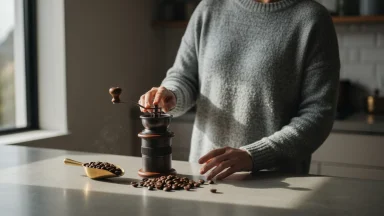
Consider the humble coffee bean. The most popular legend attributes its discovery to an Ethiopian goat herder named Kaldi in the 9th century, who noticed his goats became energetic after eating berries from a certain tree. From these legendary beginnings, coffee traveled to the Arabian Peninsula, becoming a cornerstone of social and intellectual life in coffeehouses. According to the International Coffee Organization, the world now consumes over 2.25 billion cups of coffee daily, making it one of the most traded commodities on the planet. Who would have thought a simple bean could cause such a stir?
Its journey was not always smooth. The path from a small berry on a plant in a tropical climate to the warm mug in your hand is like a cross-country road trip with multiple unseen detours. It involves dozens of hands, complex logistics, and a bit of luck. Understanding this process can make that first sip part of a personalized morning routine feel even more special.
Avoiding common coffee pitfalls ensures you honor that long journey with a perfect cup.
Flavor Profiles: How History Shaped Taste
History does not just dictate what we eat, but also how it tastes. Take salt, for example. Today, we think of it primarily as a flavor enhancer, but for most of human history, its main job was preservation. Dr. Eleanor Vance, a food historian at the University of Chicago, explains that our modern preference for salty snacks has deep roots. “Our ancestors relied on salting to preserve meat and fish through harsh winters,” she notes. “This necessity hardwired our brains to seek out that salty flavor as a sign of a safe, preserved food source.”
The very word “salary” comes from the Latin “salarium,” which was the payment given to Roman soldiers to buy salt. It was, at times, literally worth its weight in gold. Similarly, the bitterness we associate with high-quality dark chocolate is a direct link to its past. For centuries, cacao was consumed as an unsweetened, frothy drink by Mesoamerican cultures, valued for its energizing properties rather than sweetness. The introduction of sugar by Europeans completely changed its profile—and its popularity. (I suspect that if most of us tried the original Mayan version, we would be in for a shock.)
Learning these backstories transforms cooking from a simple chore into an act of connection with the past. It adds a layer of meaning that deepens the experience of savoring the everyday, turning every meal into a small discovery.
Kitchen Hacks & Clever Tricks: What’s ‘New’ in Efficiency?
Transforming your kitchen from a place of chaotic energy to one of smooth operation is like discovering a secret shortcut on your morning commute. The real news isn’t about some fancy new gadget, but about the small, clever adjustments that reclaim your time and energy. It’s about finding ways to make savoring the everyday a little easier. These simple tricks can fundamentally change your relationship with cooking.
Many people think efficiency requires a complete overhaul. The data suggests otherwise. A study from the American Culinary Federation noted that cooks who adopted just three new organizational habits saved an average of 4 hours per month. What could you do with an extra four hours? The key is focusing on small, repeatable actions that build momentum over time.
Here are a few game-changing tips to get you started:
- Freeze Herbs in Oil: Don’t let that bunch of parsley wilt in the fridge. Chop fresh herbs, place them in an ice cube tray, top with olive oil, and freeze. You’ll have perfect, single-serving portions ready for sauces and sautés.
- Embrace Batch Cooking: Dedicate an hour or two on the weekend to batch cooking grains like quinoa or rice. You can also roast a sheet pan of vegetables. This single step makes weeknight dinners—and even a more relaxed personalized morning routine—significantly less stressful.
- The Garlic Shake: To peel a whole head of garlic in seconds, separate the cloves and toss them into a jar or between two metal bowls. Shake vigorously for about 20 seconds. The friction pops the skins right off, saving you a tedious task.
- Use Dental Floss for Soft Foods: Unflavored dental floss provides a clean, precise cut for soft cheeses, cake, or even rolls of cookie dough. It’s one of those “why didn’t I think of that?” tricks that actually works.
The underrated factor here is not just the time saved, but the reduction in decision fatigue. When ingredients are prepped and ready, the mental load of making a meal shrinks dramatically. It’s an easy win for anyone starting their culinary journey, providing a foundation for more complex skills found in a beginner’s guide to home cooking.
Adopting even one of these hacks can streamline your kitchen efficiency and make cooking feel less like a chore and more like a creative outlet.
Our ancestors relied on salting to preserve meat and fish through harsh winters. This necessity hardwired our brains to seek out that salty flavor as a sign of a safe, preserved food source.
— Dr. Eleanor Vance, Food Historian, University of Chicago
| Concept | Key Takeaway |
|---|---|
| Ingredient History | Everyday staples like coffee and salt have rich, global histories that add a layer of meaning to your meals. |
| Kitchen Efficiency | Simple, clever hacks like freezing herbs in oil or batch cooking can save significant time and reduce mental load. |
| Global Flavors | Experimenting with international spices and ingredients on familiar dishes is an easy way to travel through taste. |
| The Science of Taste | Flavor is a multi-sensory experience where aroma plays a larger role than taste, explaining why we crave certain foods. |
Global Flavors at Home: Exploring Culinary Trends
Once you’ve mastered a few time-saving kitchen tricks, a new world of culinary possibility opens up. Exploring global flavors isn’t about becoming a master chef overnight; it’s about making small, exciting updates to the meals you already enjoy. It’s the daily “news” from around the world, delivered straight to your dinner plate. The data suggests a widespread shift in this direction; a recent report from the Food Industry Association noted that home cook purchases of international ingredients have increased by over 22% in the last two years alone.
This shows a collective desire to travel through taste, turning a simple weeknight dinner into a small adventure. You don’t need a passport for this kind of exploration. You just need a little curiosity.
Beyond Borders: Bringing the World to Your Plate
The beauty of modern cooking is that the world’s pantry is more accessible than ever before. Aisle 7 of your local supermarket likely holds ingredients that were once considered rare or exotic. This accessibility allows you to experiment with flavors that can completely redefine a familiar dish, like chicken or rice. Think of it as adding a new color to your painting palette—suddenly, the possibilities expand dramatically.
Embracing these new ingredients is a powerful way of savoring the everyday and finding joy in the routine. It connects you to different cultures and traditions with every bite you take. What most people miss is that you don’t need to cook a complex, ten-ingredient recipe to achieve this. Sometimes, a single new spice or sauce is all it takes to transport you somewhere else entirely.
Flavor Fusion: Simple Steps for Exciting Dishes
Starting a flavor journey can feel overwhelming. With so many options, where do you even begin? The key is to start with a single ingredient or flavor profile that intrigues you. Instead of trying to recreate an authentic, multi-course meal, focus on incorporating one new element into a dish you already know how to make.
This approach is less about strict authenticity and more about personal discovery. You’re building a flavor vocabulary, much like learning a new language one word at a time. A dash of smoked paprika in your usual chili, a splash of fish sauce in a salad dressing, or a sprinkle of za’atar on roasted vegetables are all simple entry points. These small changes create surprisingly different results without requiring a total kitchen overhaul—or a trip to a specialty store.
Example: Mediterranean vs. East Asian Spices
To see how different flavor profiles work, let’s compare two popular and accessible cuisines: Mediterranean and East Asian. While both can be incredibly complex, their foundational flavors are built on distinct sets of ingredients. Understanding these basics is a great starting point for anyone looking for a stress-free start to home kitchen adventures.
Here is a basic breakdown of their core components:
| Flavor Element | Mediterranean Profile | East Asian Profile |
|---|---|---|
| Core Fats/Oils | Extra virgin olive oil, tahini | Sesame oil, neutral oils (canola, vegetable) |
| Key Acids | Lemon juice, red wine vinegar | Rice vinegar, lime juice |
| Salty/Umami | Feta cheese, olives, capers | Soy sauce, fish sauce, miso paste |
| Herbs & Aromatics | Garlic, oregano, parsley, rosemary, dill | Ginger, garlic, scallions, cilantro, chilies |
| Common Techniques | Grilling, roasting, fresh salads | Stir-frying, steaming, braising |
Seasonal Sourcing: Connecting with Local ‘News’
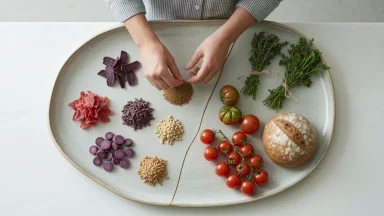
Ironically, one of the best ways to explore global flavors is by paying close attention to what’s local. The freshest, most flavorful ingredients are often found at your nearby farmers market. That seasonal haul—we all buy too much sometimes, don’t we?—can be the perfect canvas for international spices. Sweet summer tomatoes are amazing in an Italian Caprese salad but are equally delightful in a spicy Thai-inspired curry.
This practice turns your weekly shopping into a treasure hunt. The “news” becomes what just came into season. By pairing local produce with global pantry staples, you create dishes that are uniquely your own. This approach supports local growers while expanding your culinary horizons, forming a direct link between your community and the wider world, which is a fantastic part of cultivating joy and healthy living on a daily basis.
Your kitchen can become a hub of delicious discovery, proving that you don’t need to travel far to experience something new.

The Science of Taste: Why We Love What We Eat
Ever wonder why a simple tomato tastes so different when it’s slow-roasted versus fresh off the vine? The answer isn’t just about cooking; it’s a fascinating interaction between your tongue, your nose, and your brain. Understanding this basic food science can completely change how you approach your meals, turning every bite into a discovery. This is where the real news of your food is written.
Our perception of flavor is a complex process. It’s not just about what happens on your taste buds. In fact, what most people call “taste” is actually a fusion of senses working together. It’s an experience built from multiple inputs.
Decoding Your Palate: The Five Basic Tastes
Your tongue is equipped to detect five core tastes, which act as the building blocks for every flavor you experience. For years, we were taught they lived in specific zones on the tongue, but science has since shown that taste buds all over the mouth can detect all five. These tastes are the primary signals your brain receives.
- Sweet: This signals the presence of energy-rich carbohydrates. Think of the immediate pleasure of biting into a ripe strawberry or a drizzle of honey in your morning tea.
- Salty: primary for regulating bodily fluids, sodium chloride triggers a distinct and often craved sensation. It does more than just taste salty; it enhances and balances other flavors.
- Sour: This taste, caused by acids, can warn against spoiled food but also adds a bright, refreshing quality found in citrus fruits and yogurt.
- Bitter: Often a warning sign for potential toxins in nature, humans have learned to appreciate bitterness in items like dark chocolate, coffee, and leafy greens. Learning to avoid common coffee pitfalls can help you appreciate its more pleasant bitter notes.
- Umami: The fifth and most recently recognized taste, umami is Japanese for “essence of deliciousness.” It’s a savory, meaty flavor triggered by glutamates and found in aged cheeses, mushrooms, and soy sauce.
The Power of Aroma: More Than Just Smell
Here’s a surprising fact: what you think of as flavor is overwhelmingly dominated by your sense of smell. According to research from the Monell Chemical Senses Center, as much as 90% of flavor perception comes from aroma. Your tongue provides the basic script — sweet, salty, bitter — but your nose adds all the detailed descriptions and color. It’s a huge number.
This happens through a process called retronasal olfaction. As you chew, aromatic compounds from the food travel up the back of your throat to your nasal cavity. This is why food tastes so bland when you have a cold; you’re blocking the primary pathway for flavor. Think of your taste buds as a simple piano playing basic chords, while your sense of smell is the full orchestra adding richness and complexity. This is the very essence of savoring the everyday through food.
Have you ever noticed how the smell of baking bread can make you feel hungry and happy at the same time? That’s because your olfactory bulb has a direct link to the brain’s limbic system, which governs emotion and memory. This connection is why certain smells can instantly transport you back to your childhood kitchen or a memorable vacation. It’s a powerful tool for nourishing your soul, one meal at a time.
By understanding that flavor is a multi-sensory event, you can start to play with textures, temperatures, and especially aromas to make your home cooking even more satisfying.
Mindful Eating Moments: Finding Joy in Every Bite
Understanding the science of taste is one thing, but experiencing it is another. Instead of rushing through meals, mindful eating invites you to discover the “news” on your plate—the unique story of flavors, textures, and aromas present in that specific moment. It’s a simple shift from automatic consumption to active participation in one of life’s greatest pleasures. This practice is a cornerstone of nourishing your soul and body simultaneously.
The practice is surprisingly simple. It begins with slowing down. By putting your fork down between bites or taking a moment to appreciate the colors on your plate, you create space for awareness. How often do we taste our food instead of just consuming it? The data suggests the benefits are tangible; a study from researchers at the University of California, San Francisco, found that participants in a mindful eating program showed significant reductions in cortisol, the body’s primary stress hormone.
This is about presence, not perfection.
You don’t need a silent retreat to start. Just try it with your next snack. Notice the crispness of an apple or the way chocolate melts on your tongue—it’s amazing what you notice when you aren’t distracted. Treating your meals this way is like listening to a favorite song on good headphones for the first time; you hear harmonies and details you never knew were there. Integrating these moments into your day helps transform eating from a task into a joyful event, a key part of savoring the everyday.
Ultimately, this approach changes your relationship with food, turning each meal into an opportunity for gratitude and connection. It’s a small adjustment that can become a powerful part of a calm, personalized morning routine, setting a positive tone for the rest of your day.
Your Kitchen, Your Newsroom
Viewing your food through the lens of history, science, and global culture does more than make for an interesting meal; it reframes your kitchen as a personal newsroom. It’s no longer just a space for assembly, but a hub for investigation and discovery. The daily ‘news’ you uncover isn’t about distant events, but about the tangible world you interact with, taste, and share. The story of your food is not a static piece of history—it’s an ongoing dialogue that you get to shape with every new spice you try or technique you master. So, the next time you cook, ask yourself: what story will this plate tell?
Frequently Asked Questions
How can I make my everyday meals more exciting?
Start by introducing one new ingredient a week, like a different herb, spice, or sauce. Adding a dash of smoked paprika to roasted vegetables or a splash of rice vinegar to a salad dressing can completely transform a familiar dish without requiring a new recipe.
What are some easy ways to discover new flavors?
Explore the international aisle of your grocery store and pick one item that intrigues you, like gochujang or za’atar. You can also visit a local farmers market to find seasonal produce at its peak, which naturally offers more vibrant and complex flavors.
Does knowing the history of food change its taste?
While it doesn’t alter the chemical compounds, understanding a food’s origin story can profoundly enhance your appreciation for it. Knowing the journey of a coffee bean or the historical value of salt adds a layer of context and meaning that makes the experience of eating it richer.
How do I choose the best seasonal ingredients?
Visit a local farmers market and talk to the growers about what’s at its peak. Look for produce that is firm, vibrant in color, and has a fresh aroma. Seasonal food is typically more flavorful and nutrient-dense because it’s harvested at the right time.
What is the simplest kitchen hack for busy mornings?
Batch-cook a versatile grain like quinoa or oats over the weekend. Store it in the fridge, and in the morning you can quickly assemble a breakfast bowl with fruit, nuts, or yogurt in under two minutes, saving you valuable time and effort.