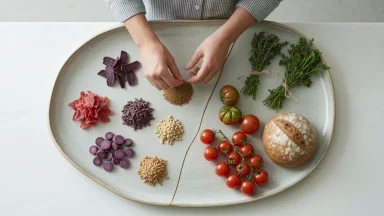
In the quest for a healthier life, the concept of “wellness” can often feel overwhelming, conjuring images of expensive gym memberships, complicated supplements, and restrictive diets that drain the joy from eating. We’re told to optimize every aspect of our lives, but what if the most profound path to well-being isn’t about adding more, but about appreciating what’s already there? What if the key to feeling better is hiding in plain sight, right in your own kitchen?
This is the essence of culinary wellness, a philosophy that reclaims the kitchen as a space for nourishment, creativity, and connection—not just calorie counting. It shifts the focus from what you *can’t* eat to the vibrant, delicious world of what you *can*. Unlike traditional diets that often create an adversarial relationship with food, culinary wellness is about celebration. It embraces the sensory experience: the sizzle of garlic in olive oil, the bright colors of a fresh salad, and the simple pleasure of a meal shared with loved ones.
This article serves as your guide to infusing this joyful approach into your daily life. We’ll explore how simple ingredient swaps can transform your favorite comfort foods into nutrient-dense powerhouses without sacrificing flavor. You’ll discover the art of mindful eating and learn practical techniques to cultivate a healthier, more intuitive relationship with your body’s signals. Finally, we’ll look beyond the plate to see how supportive lifestyle habits can amplify the benefits of your food choices, creating a holistic foundation for lasting well-being.
The Plate as Your Palette: Understanding Culinary Wellness
When you hear the word “wellness,” your mind might jump to green juices, intense gym sessions, or meditation apps. But what if one of the most powerful tools for well-being is already sitting on your kitchen counter? This is the core idea behind culinary wellness, a concept that views food not just as fuel, but as a source of joy, connection, and holistic health. It’s less about restriction and more about celebration.
Unlike a rigid diet that focuses solely on calories and macronutrients, culinary wellness embraces the entire experience of eating. It’s the sizzle of garlic in a pan, the vibrant colors of a fresh salad, and the shared laughter over a family dinner. This approach recognizes that our relationship with food is deeply emotional and cultural. The surprising thing is how much our happiness is tied to these small, sensory details we often overlook in our rush to simply get fed. It’s about savoring the everyday moments that make a meal more than just sustenance.
This is where the idea of food as medicine expands to include mental and emotional health. A thoughtfully prepared meal can be as comforting as a warm hug. It has the power to shift our mood and create lasting memories.
More Than Just Nutrients: The Joy of Mindful Meals
At the heart of culinary wellness is the practice of mindful eating. Think of it as the opposite of eating a sandwich over your keyboard while answering emails — something we’ve all probably done. Instead, it involves paying full attention to the act of eating, engaging all your senses, and noticing how your body responds. It’s about being present for the meal in front of you, from the first bite to the last.
Dr. Eleanor Vance, a nutritionist and researcher at Stanford University, explains the connection perfectly. “We often treat eating like a task to be completed,” she notes. “But when we engage mindfully, we give our brains the chance to register satisfaction. A study published in the Journal of Health Psychology found that participants who ate mindfully reported a 28% decrease in stress-related eating habits.” Isn’t it interesting how simply paying attention can change our behavior so profoundly?
Embracing this practice doesn’t require a complete overhaul of your life. It can start with something as simple as putting your phone away during dinner or taking a moment to appreciate the aroma of your morning coffee. By transforming meals from automated actions into intentional rituals, you begin cultivating joy in your daily routine. The goal is to build a positive and sustainable relationship with food, turning every meal into an opportunity for nourishment and delight.
Kitchen Alchemy: Simple Swaps for Everyday Dishes
Transforming your daily meals into sources of wellness doesn’t require a complete kitchen overhaul or a degree in nutrition. It’s more like being a clever detective, identifying simple opportunities for upgrades. The goal is not deprivation but substitution—swapping out less beneficial ingredients for more nutrient-dense alternatives without sacrificing the flavors you love. This approach is all about cultivating joy in the kitchen, not creating restrictions.
Making small changes can yield significant results. Research published by the Journal of the American Heart Association found that even moderate reductions in processed ingredients and sodium can have a measurable impact on long-term health. Think of it less as a diet and more as a series of small, smart decisions that compound over time. It starts with one ingredient.
Elevating Classics: From Comfort Food to Conscious Cuisine
Comfort food is often synonymous with heavy creams, refined flours, and excess fats. But what if your favorite mac and cheese could deliver vegetables and protein without you even noticing? The secret lies in understanding texture and flavor profiles. Pureed butternut squash or cauliflower can replace a significant portion of the cheese sauce, adding creaminess, fiber, and vitamins. This small change is a cornerstone of crafting your blueprint for a vibrant life.
This principle applies across the board. Switching from ground beef to lentils or mushrooms in a bolognese sauce reduces saturated fat while boosting fiber. Using Greek yogurt instead of sour cream on tacos adds a protein punch with a similar tangy finish. These aren’t compromises; they are enhancements that make your favorite dishes work harder for you.
Here’s a simple comparison of common swaps:
- Instead of white rice: Try quinoa for a complete protein or cauliflower rice for a low-carb, high-fiber option.
- Instead of sour cream: Use plain Greek yogurt for more protein and probiotics with less fat.
- Instead of mayonnaise: Opt for mashed avocado for healthy monounsaturated fats and a creamy texture.
- Instead of all-purpose flour: Use 50% whole wheat flour in recipes for added fiber and nutrients without drastically changing the texture.
- Instead of vegetable oil for sautéing: Use avocado oil or olive oil for better fat profiles.
Baking Better: Sweet Treats with a Wholesome Twist
Baking feels like precise science, and the idea of substitutions can be intimidating. Yet, many wholesome ingredients can seamlessly replace traditional fats and sugars. Unsweetened applesauce or mashed banana can stand in for up to half the oil or butter in recipes for muffins and quick breads. This swap cuts fat while adding moisture and natural sweetness—a win-win for any home baker.
When it comes to sugar, the options are plentiful. Maple syrup and honey offer trace minerals not found in refined white sugar, though they should still be used in moderation. Dr. Elena Vance, a food scientist and author, explains, “The key is to understand an ingredient’s function. Applesauce adds moisture, so you may need to slightly decrease other liquids. It’s like tuning an instrument; a small adjustment can bring the whole recipe into harmony.” This mindful approach transforms baking from a task into a key part of savoring the everyday.
Flavor Boosters: Herbs, Spices, and Natural Sweeteners
One of the biggest misconceptions about healthy cooking is that it’s bland. The opposite is true when you build a powerful arsenal of flavor-enhancing herbs and spices. A dash of smoked paprika can add a savory, bacon-like depth to roasted vegetables, while a sprinkle of cinnamon in your morning coffee can help stabilize blood sugar and reduce the need for sweeteners.
Flavor is your best friend.
Instead of reaching for the salt shaker by default, consider what other taste profiles you could introduce. A squeeze of lemon or a splash of vinegar can brighten an entire dish, tricking your palate into perceiving more saltiness than is actually there. Nutritional yeast offers a cheesy, nutty flavor perfect for sprinkling on popcorn or pasta, and it’s a great source of B vitamins. These are the tools that allow you to conduct the taste of your food with precision.
The Power of Herbs: Beyond Just Garnish
Fresh herbs are often treated as a final, decorative flourish, but their true potential is unlocked when they are integrated into the cooking process. A handful of chopped parsley, cilantro, or basil stirred into a dish just before serving adds a burst of freshness and complexity that dried herbs can’t replicate. Their vibrant flavors mean you can rely less on salt and fat for taste.
Don’t underestimate their impact. Infusing olive oil with a sprig of rosemary or a few garlic cloves creates a flavorful base for almost any savory dish. Tending to a small pot of basil or mint on your windowsill can be surprisingly rewarding—and trust me, even a slightly neglected plant can produce enough leaves for a fantastic pesto. It can even become a cherished part of your fulfilling morning routine. By seeing herbs as a primary ingredient rather than a garnish, you open up a new dimension of healthy, delicious cooking.
We often treat eating like a task to be completed. But when we engage mindfully, we give our brains the chance to register satisfaction.
— Dr. Eleanor Vance, Nutritionist and Researcher
| Instead Of… | Try This… | The Wellness Win |
|---|---|---|
| White Rice | Quinoa or Cauliflower Rice | Adds complete protein, fiber, and essential nutrients. |
| Sour Cream / Mayo | Plain Greek Yogurt or Mashed Avocado | Boosts protein and probiotics or adds healthy monounsaturated fats. |
| Vegetable Oil for Sautéing | Avocado or Olive Oil | Provides a better profile of healthy fats for heart health. |
| Refined Sugar in Baking | Unsweetened Applesauce or Mashed Banana | Reduces added sugar while increasing moisture and fiber. |
| Excess Salt | Herbs, Spices, or a Squeeze of Lemon | Enhances flavor naturally while lowering sodium intake. |
Mindful Bites: Cultivating a Healthy Relationship with Food
After carefully selecting healthier ingredients, the next step in elevating your culinary wellness is to change not just what you eat, but how you eat. This is the core of mindful eating, a practice that shifts the focus from restriction and rules to awareness and enjoyment. It’s about tuning into your body’s natural signals of hunger and fullness, transforming your mealtime from a race to a ritual.
It’s about presence, not perfection.
So often, we eat while distracted—scrolling on our phones, watching TV, or working through lunch. This mental disconnect is where problems arise. A study from Cornell University’s Food and Brand Lab found that people often make eating decisions based on external cues, like the size of the plate or the time on the clock, rather than internal hunger. What most people miss is that listening to your body is a skill you can develop, much like learning to cook a new dish. It requires paying attention to the subtle messages your stomach sends.
This practice isn’t just about psychological well-being; it has tangible benefits. Research in the journal Appetite showed that individuals practicing mindful eating had lower levels of the stress hormone cortisol. This suggests that a calmer approach to meals can have a real physiological impact, creating a more positive feedback loop for your entire day. Developing this awareness is a key part of crafting a blueprint for a vibrant life.
Slow Down and Savor: Practical Steps for Mindful Meals
Putting mindfulness into practice doesn’t require a silent retreat or hours of meditation. It’s about building small, intentional habits that anchor you in the present moment during your meals. Think of it like reading a good book; you don’t skim it in a noisy room, you find a quiet corner to absorb every word. The way reading transforms your mind is similar to how savoring food can transform your relationship with it.
Here is a simple checklist to get started:
- Start with Gratitude: Before taking your first bite, take a moment to acknowledge the food in front of you and the effort it took to get it to your plate. This simple pause helps set a deliberate tone for the meal.
- Engage All Senses: Notice the colors, shapes, and textures on your plate. Inhale the aroma before you taste. Pay attention to the sounds your food makes as you chew. How does it actually feel in your mouth?
- Chew Thoroughly: The simple act of chewing more slowly not only aids digestion but also gives your brain the 20 minutes it typically needs to register satiety. This helps prevent overeating.
- Put Your Fork Down: Between bites, rest your utensils on the plate. This creates a natural pause—a moment to check in with your hunger level before automatically going for the next mouthful. (Easier said than done with a hectic schedule, I know!)
- Eliminate Distractions: Turn off the television, put your phone away, and step away from your work desk. Giving your meal your full attention is one of the most effective ways to start savoring the everyday moments.
By integrating even one or two of these habits, you begin to rewire your brain’s approach to food, fostering a connection that is based on nourishment and pleasure rather than guilt or autopilot behavior. This shift doesn’t just change your meals; it can ripple out into other parts of your day.
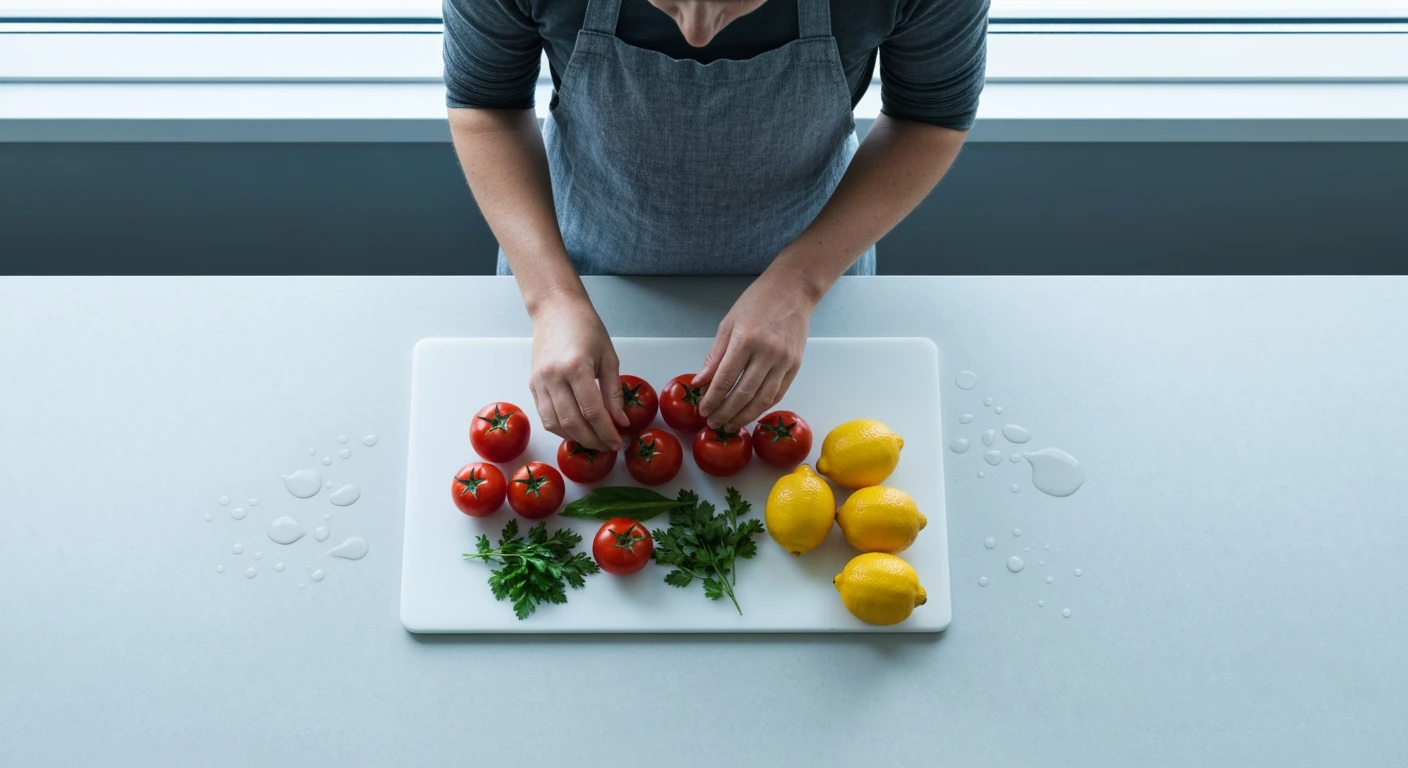
Beyond the Plate: Lifestyle Habits Supporting Wellness
A healthy diet is a wonderful start, but it’s a bit like putting premium fuel in a car that also needs an oil change and air in its tires. True wellness considers the whole system. What most people miss is how small, consistent actions throughout the day create the foundation that allows nutritious food to do its best work. This is the core of crafting a blueprint for a vibrant life.
Let’s talk about hydration. It sounds almost too simple, but staying well-hydrated directly impacts everything from your energy levels to your mood. The American Council on Exercise reports that even a 2% dehydration level can significantly impair cognitive performance and alertness. Are you really reaching for a snack because you’re hungry, or could your body just be thirsty? Keeping a water bottle on your desk can make a surprising difference.
Gentle movement is another key piece of the puzzle. This isn’t about training for a marathon before breakfast—unless that’s your thing, of course! It can be a simple 15-minute walk after a meal to aid digestion or some light stretching while your tea steeps. Weaving these moments of activity into your fulfilling morning routine boosts circulation and helps clear your mind.
Sleep is your body’s non-negotiable reset button.
The data suggests that consistently poor sleep can undermine even the most thoughtful diet. According to the National Sleep Foundation, adults who get fewer than seven hours of sleep often have more difficulty regulating appetite hormones the next day. To wind down, many find that swapping screen time for a physical book can drastically improve their rest, which is part of how reading transforms daily life and encourages better habits.
These habits don’t exist in isolation; they support each other. They create an internal environment where the good food you eat can have the greatest positive effect, turning simple meals into true moments of nourishment for your entire being.
Your Wellness Kitchen: necessary Tools and Pantry Staples
Setting up your kitchen for success is much like laying out your workout clothes the night before a run; it removes friction and makes the right choice the easy choice. You don’t need a professional chef’s arsenal of gadgets. Surprisingly, a few high-quality basics can handle almost any recipe you throw at them, from a simple morning smoothie to a complex dinner. Think about a sharp chef’s knife, a sturdy cutting board, and a reliable blender or food processor.
These core items are the foundation of an efficient kitchen. Investing in tools that feel good to use makes the entire process of cooking more enjoyable. Why struggle with a dull knife when a sharp one can make prep work feel almost meditative? The underrated factor here is how much a simple, functional tool can positively influence your desire to cook from scratch, forming a key part of your practical guide to healthy living.
Your pantry is just as important.
A well-stocked pantry is your secret weapon for weeknight meals and a cornerstone of savoring the everyday through food. A study from the Cornell Food and Brand Lab found that households with easily accessible healthy staples cooked at home 18% more often than those with cluttered pantries. Keep building blocks on hand like rolled oats, quinoa, canned beans, lentils, nuts, and a variety of spices. Having these items available — plus a good olive oil and some vinegar — means a nutritious meal is never more than 20 minutes away.
Ultimately, your kitchen should be a place of creativity and comfort, not stress. As you gradually build your collection of tools and staples, you’ll find that your culinary journey becomes an even more integrated part of your fulfilling morning routine and daily life.
From Chore to Ritual: Your Culinary Journey Forward
Ultimately, embracing culinary wellness isn’t about achieving a perfect diet or mastering every healthy recipe overnight. It’s about shifting your perspective. It’s the conscious decision to view the act of preparing and eating food not as another task on your to-do list, but as a consistent, accessible act of self-care. The principles of mindfulness and thoughtful substitution are not rigid rules but flexible tools to be adapted to your unique life and tastes. As you move forward, what is one small, joyful change you can make in your kitchen this week that feels like a gift to yourself, rather than a restriction?
Frequently Asked Questions
What is the difference between culinary wellness and just healthy eating?
While healthy eating often focuses strictly on nutrients, calories, and macronutrients, culinary wellness is a more holistic approach. It encompasses the entire experience of food—including the joy of cooking, the pleasure of savoring flavors, and the practice of mindful eating to foster a positive relationship with your meals.
How can I make healthy food taste good for my family?
The key is to master flavor without relying on excess salt, sugar, or unhealthy fats. Build a solid spice rack, use fresh herbs generously, and don’t be afraid of acids like lemon juice or vinegar to brighten dishes. Roasting vegetables instead of steaming them also brings out their natural sweetness, making them more appealing to picky eaters.
Are there any specific foods I should prioritize for overall well-being?
Rather than focusing on a few “superfoods,” aim for variety and color. Prioritize a diet rich in whole foods like fruits, vegetables, lean proteins, and whole grains. Healthy fats from sources like avocados, nuts, and olive oil are also notable for brain health and keeping you feeling full and satisfied.
How do I start incorporating mindful eating into my busy schedule?
You don’t need to meditate for an hour before every meal. Start small by choosing one meal a day to eat without distractions like your phone or the TV. Focus on chewing slowly and putting your fork down between bites. Even just five minutes of focused eating can make a significant difference in your digestion and satisfaction.
What are some budget-friendly ways to improve my culinary wellness?
Culinary wellness doesn’t have to be expensive. Focus on cooking at home, which is almost always cheaper than eating out. Build meals around affordable staples like beans, lentils, and seasonal produce. Buying frozen fruits and vegetables is another great way to get nutrients without the high cost and spoilage risk of fresh produce.