
The classic American breakfast, once a predictable landscape of cereal boxes, toast, and scrambled eggs, is undergoing a quiet but profound transformation. The morning meal is no longer just a quick refuel before rushing out the door; it has evolved into the first conscious decision of the day, a moment to align with personal wellness goals, explore global cultures, and express individual values. What’s on your plate at 8 a.m. now says more about you than ever before. Are you prioritizing gut health, seeking sustained energy, or making a sustainable choice?
This shift isn’t happening in a vacuum. It’s fueled by a convergence of broader cultural currents, including a heightened focus on holistic health that extends beyond the gym, an interconnected world that brings international flavors to our fingertips, and a growing desire for transparency in our food systems. Consumers are more informed and curious, questioning long-held assumptions about what constitutes a proper start to the day. The result is a vibrant, dynamic breakfast scene where savory is gaining on sweet and functional ingredients are just as important as flavor.
This article unpacks the most significant shifts reshaping the American morning. We’ll explore the rise of savory and globally-inspired breakfast dishes that are pushing traditional options aside. We will also examine how wellness trends, from gut-friendly probiotics to stress-managing adaptogens, are turning breakfast into a form of self-care. Finally, we’ll look at how the need for convenience is merging with a conscious desire for sustainability, creating a new generation of grab-and-go options with a green twist.
The Breakfast Table Reinvented: Beyond Cereal Bowls
For decades, the American breakfast was a fairly predictable affair dominated by toast, eggs, and boxes of colorful cereal. That picture is rapidly changing. The morning meal is undergoing a significant transformation, moving far beyond simple carbs and sugary rushes to embrace a world of new textures, ingredients, and culinary ideas. It’s a quiet revolution happening in kitchens across the country.
What most people miss is how much this shift is driven by a desire for both health and novelty. A recent survey from the National Restaurant Association found that 62% of consumers are more likely to try a new or unique breakfast item now than they were two years ago. This opens the door for some exciting morning experiments.
Global Flavors Infusing Morning Plates
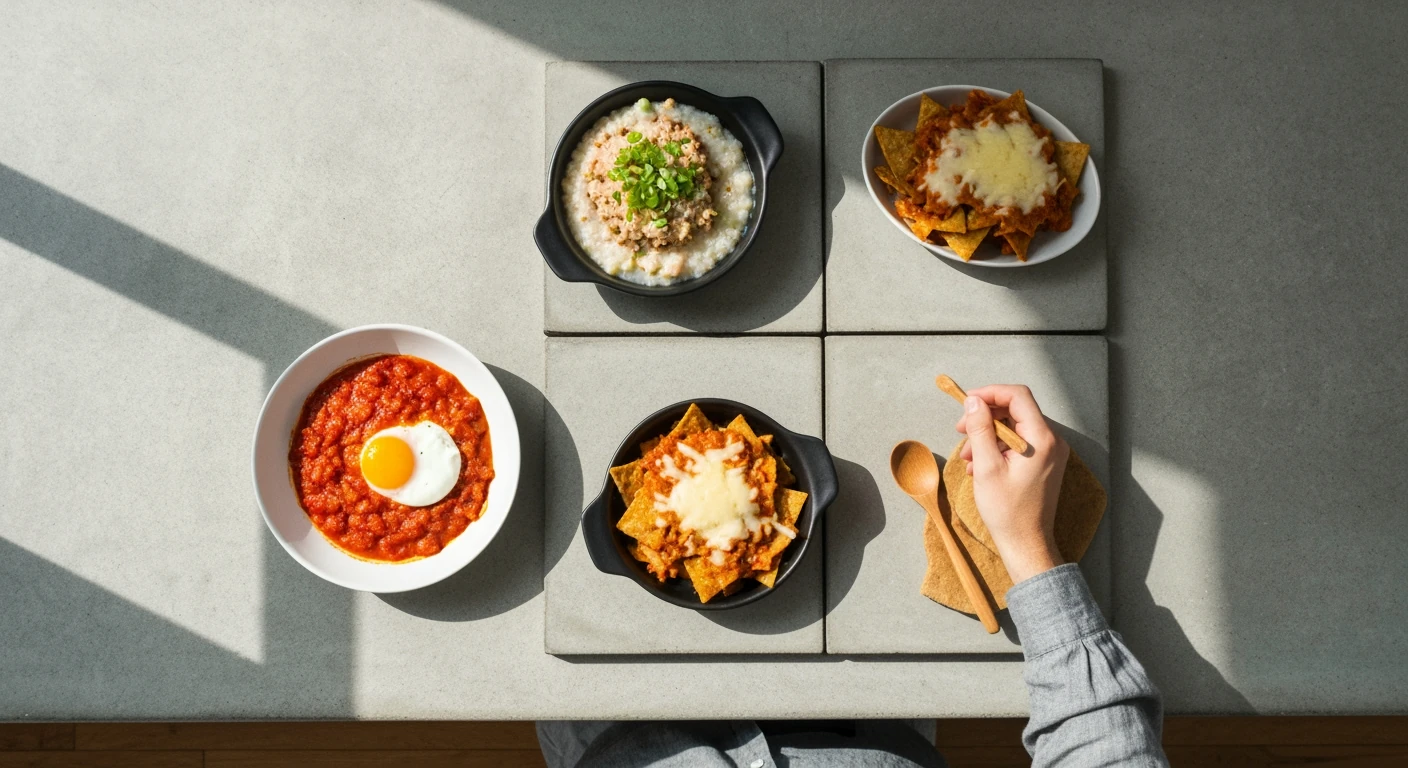
One of the most exciting trends is the arrival of international dishes on the breakfast menu. Previously reserved for lunch or dinner, flavors from around the globe are now a common way to start the day. Dishes like shakshuka, a North African and Middle Eastern dish of eggs poached in a spicy tomato and pepper sauce, have become brunch staples. Similarly, savory rice porridges like Asian congee and Mexican chilaquiles are gaining widespread popularity.
This culinary exchange reflects the growing diversity found while exploring the United States and its rich cultural tapestry. It’s like building a music playlist instead of just playing one record; you can mix and match flavors to fit your morning mood. The best part? Many of these meals are surprisingly easy to adapt for delicious home cooking, requiring just a few new pantry staples.
The Rise of Savory Breakfasts
Alongside global influences, there’s a clear pivot away from sweetness toward savory, protein-packed options. Sugar is out. Protein is in. This move is partly a response to wellness trends that emphasize sustained energy over the quick high—and subsequent crash—of sugary foods. Think less frosted flakes and more feta and spinach.
The evidence is in the numbers. A report from market research firm Mintel noted a 7% decline in cold cereal sales over the last reporting period, while sales for eggs and breakfast meats climbed by 9.3%. This has given rise to creative dishes like quinoa breakfast bowls topped with a fried egg, breakfast salads with light vinaigrette, and endless variations of the beloved avocado toast (yes, it’s still incredibly popular). So, is the sweet breakfast disappearing entirely? I suspect not, but it’s certainly being asked to share the spotlight. This trend challenges many long-held beliefs, forcing us to separate culinary fact from fiction about what a morning meal should be.
Wellness on the Menu: Food as Fuel and Medicine
The morning meal is no longer just about filling an empty stomach. For millions, breakfast has become the first wellness decision of the day, a strategic choice to fuel both body and mind. This shift moves the focus from mere calorie counting to a more holistic view of nutrition. According to a recent survey by the International Food Information Council, a notable 59% of consumers actively seek out foods that provide specific health benefits beyond basic nutrition.
People are asking more from their food. They want energy, mental clarity, and stress support packed into their first meal. The question has changed from “What will fill me up?” to “What will set me up for success?” This mindset is turning kitchen pantries into something that looks more like a modern apothecary.
Adaptogens and Superfoods: More Than Just Buzzwords
Words like “adaptogen” and “superfood” are now common in coffee shops and grocery store aisles. Adaptogens are herbs and roots—like ashwagandha and maca—thought to help the body resist stressors of all kinds. Superfoods are simply nutrient-dense ingredients, such as goji berries, chia seeds, and turmeric. Many people are now adding a scoop of these powders to their morning coffee, oatmeal, or smoothie.
But do they actually work? The science is still developing on many of these ingredients, and it’s easy to get lost in the marketing noise. “Think of adaptogens not as a cure, but as a support system for managing daily pressures,” explains registered dietitian Dr. Elena Vance. “They help modulate your body’s stress response, a bit like a thermostat helps regulate a room’s temperature. They aren’t a replacement for good sleep or a balanced diet.” It’s a reminder that separating real benefits from clever marketing is key; a topic we explore in our guide on separating culinary fact from fiction.
The key is consistency and moderation, not expecting a single spoonful of maca to change your life overnight.
Gut Health: The Foundation of Morning Wellness
An enormous amount of attention is now being paid to the gut microbiome, that complex community of trillions of bacteria living in our digestive tract. Researchers are increasingly linking gut health to everything from our immune system and mood to our energy levels. A healthy gut in the morning can set a positive tone for the entire day.
This has led to a surge in popularity for fermented foods and beverages. Items like Greek yogurt, kefir, and even savory options like kimchi are finding their way onto the breakfast plate. According to data from Grand View Research, the global market for probiotic-rich foods is projected to continue its steady climb, reflecting a deep consumer interest in digestive wellness. It’s a trend that goes far beyond a simple bowl of cereal.
Probiotics vs. Prebiotics: What’s the Difference?
Understanding the gut health trend requires knowing two key terms: probiotics and prebiotics. The easiest way to think about them is with a gardening analogy. Probiotics are the “seeds”—the beneficial live bacteria found in foods like yogurt and kombucha. Prebiotics are the “fertilizer”—specialized plant fibers that feed those good bacteria, found in foods like bananas, oats, and onions.
For a powerful morning combination, you can pair them. A bowl of Greek yogurt (probiotic) topped with sliced banana and a sprinkle of chia seeds (prebiotics) creates a synbiotic meal that supports a flourishing gut environment. It’s a simple strategy, really—and one that doesn’t require expensive supplements.
Plant-Based Power: From Smoothies to Scrambles
The movement toward plant-based eating continues to reshape the American breakfast table. This isn’t just about strict vegetarianism or veganism; it’s driven by a growing number of “flexitarians” who are simply looking to reduce their meat and dairy consumption. Plant-based milks, for instance, now account for over 16% of all retail milk sales in the United States, according to the Plant Based Foods Association.
This trend has introduced a whole new menu of morning options. Tofu scrambles seasoned with turmeric offer a surprisingly egg-like experience, while smoothies are fortified with plant-based protein powders made from peas or brown rice. Even classic breakfast sausage has plant-based counterparts that are becoming impressively close to the real thing (— a relief for many of us who enjoy the taste but not the ingredients). For those just starting to experiment, many great resources can help you whip up wonders in your own kitchen with simple, delicious recipes.
What’s next is anyone’s guess, but the innovation in plant-based dairy and proteins suggests that morning menus will only become more diverse and delicious.
Think of adaptogens not as a cure, but as a support system for managing daily pressures. They help modulate your body’s stress response, a bit like a thermostat helps regulate a room’s temperature. They aren’t a replacement for good sleep or a balanced diet.
— Dr. Elena Vance, Registered Dietitian
| Breakfast Option | Average Prep Time | General Sustainability Notes |
|---|---|---|
| Pre-packaged Breakfast Bar | 10 seconds | High variability. Check for Fair Trade ingredients and recyclable packaging. Often involves significant processing. |
| Smoothie with Frozen Fruit | 3-5 minutes | Can be excellent. Using “imperfect” or locally frozen fruit reduces waste. Global ingredients increase food miles. |
| Yogurt with Local Granola | 2 minutes | Supports local producers. Dairy has a higher environmental footprint than plant-based alternatives. |
| Overnight Oats (homemade) | 5 mins prep (night before) | Very high potential. Bulk-bin oats reduce packaging waste. Allows for seasonal, local fruit toppings. |
Convenience Meets Conscience: Sustainable Sourcing & Quick Prep
The morning rush remains a constant in American life. What’s shifting, is the mindset behind those quick breakfast choices. People still want fast and easy, but they are increasingly asking where their food comes from and what impact it has. This has created a demand for options that satisfy both the ticking clock and a growing ethical awareness.
This isn’t just about feeling good; it’s about tangible choices. Think of it less as a grand gesture and more like choosing a carpool lane—it’s a small, daily decision that, when multiplied by millions, starts to change the flow of traffic. The data supports this shift. A study from the Food Marketing Institute suggests that 68% of millennial and Gen Z shoppers are willing to pay a premium for products with clear sustainability or ethical sourcing claims.
The Appeal of ‘Grab-and-Go’ with a Green Twist
The modern breakfast aisle reflects this dual demand perfectly. You’ll find instant oatmeal cups made with organic, fair-trade grains sitting next to smoothie packs containing “imperfect” produce that would have otherwise been discarded. These products offer the ultimate promise: a guilt-free shortcut. They allow consumers to align their purchasing power with their values without sacrificing precious morning minutes.
Even major coffee chains have adapted, heavily promoting ethically sourced beans and plant-based milks. The underrated factor here is transparency. Brands that provide clear information about their supply chains are gaining trust. Of course, the most sustainable option often involves a little more effort, and many are finding that simple home cooking recipes are the best way to control both ingredients and impact.
Local vs. Global: Making Informed Choices
Choosing a sustainable breakfast introduces some interesting dilemmas. Is it better to buy locally grown strawberries from a farm stand, or organic goji berries that have traveled thousands of miles? There’s no single right answer, which can be frustrating. The local option supports community agriculture and reduces “food miles,” a significant contributor to carbon emissions.
Some globally sourced products support farming cooperatives in developing nations and offer nutritional benefits not available locally. Making an informed choice requires digging a little deeper and sometimes means separating culinary fact from fiction regarding health and environmental claims. The key is moving from passive consumption to active decision-making—even when you’re still half-asleep.
For a clearer picture, here’s a quick comparison of common breakfast choices:
| Breakfast Option | Average Prep Time | General Sustainability Notes |
|---|---|---|
| Pre-packaged Breakfast Bar | 10 seconds | High variability. Check for Fair Trade ingredients and recyclable packaging. Often involves significant processing. |
| Smoothie with Frozen Fruit | 3-5 minutes | Can be excellent. Using “imperfect” or locally frozen fruit reduces waste. Global ingredients increase food miles. |
| Yogurt with Local Granola | 2 minutes | Supports local producers. Dairy has a higher environmental footprint than plant-based alternatives. |
| Overnight Oats (homemade) | 5 mins prep (night before) | Very high potential. Bulk-bin oats reduce packaging waste. Allows for seasonal, local fruit toppings. |
This balancing act between convenience and conscience isn’t likely to fade. Instead, it will probably intensify, pushing food producers to innovate further and forcing consumers to become even savvier about what their morning meal represents.
Beyond the Plate: Integrating Food into a Holistic Morning Routine
The conversation around breakfast is shifting from a quick fuel-up to a deliberate act of self-care. Many are now treating their first meal as the starting block for the entire day, focusing not just on what they eat but how they eat it. A recent study from the Journal of Health Psychology found that individuals who practice mindful eating techniques in the morning reported a 19% increase in overall well-being. This isn’t about elaborate meals; it’s about intention.
What most people miss is that this practice requires very little extra time. Think of it less like a chore and more like setting your internal GPS before a long drive. By focusing on the texture, taste, and aroma of your food, you are consciously grounding yourself in the present moment. But what does that look like when you’re still half-asleep? Building a mindful routine is surprisingly straightforward.
Here are a few steps to get started:
- Hydrate First: Before coffee or food, drink a glass of water to wake up your system gently.
- Prepare with Presence: Try to make your breakfast without scrolling through your phone. Focus on the simple actions, whether it’s slicing a banana or stirring oatmeal. This is a great first step for anyone wanting to explore the joys of simple home cooking.
- Sit and Savor: Designate a spot to eat away from your desk or TV. Pay attention to each bite — a practice that helps distinguish real hunger cues from mindless grazing, a concept often clouded by common food myths.
- Pause Post-Meal: Take just 60 seconds after you finish to simply sit and check in with how you feel.
The goal is connection, not perfection.
Adopting even one of these habits can reframe your relationship with food and set a more centered tone for the hours ahead. It transforms a simple meal into a quiet, personal ritual, proving that wellness often begins with the very first bite of the day.
Future Flavors: What’s Next for US Morning Culinary Trends?
Peeking into the future of breakfast is always a fun exercise in separating culinary fact from fiction. Technology is certainly poised to play a bigger role, with smart appliances suggesting recipes based on what’s in your fridge. The goal isn’t just convenience; it’s about highly personalized nutrition tailored to your specific daily needs. What most people miss is how this tech will intersect with a growing desire for global flavors.
Food industry analysts at Mintel recently reported a 42% increase in consumer interest in breakfast dishes featuring Southeast Asian spices like cardamom and ginger. This reflects shifting demographics and a more adventurous American palate. We are seeing a move toward savory, protein-rich breakfasts that provide sustained energy. Think lentil pancakes or spiced tofu scrambles finding their way onto more breakfast tables across the diverse landscape of the United States. Who would have thought ten years ago that kimchi would be a breakfast staple?
The home kitchen is becoming smarter and more intuitive.
For the everyday cook, this means access to new ingredients and techniques that were once the domain of professional chefs. It’s like having a GPS for your taste buds — you still have to drive the car, but the route is much clearer. This empowerment could lead to a renaissance in delicious home cooking, making mornings more creative and less of a chore. The underrated factor here is the joy of discovery right in your own kitchen.
Ultimately, the morning meal is becoming a statement of personal wellness and global awareness. It’s less about simply eating and more about intentionally fueling our bodies with foods that are both delicious and meaningful. The coming trends suggest our plates will be more colorful, flavorful, and better for us than ever before.
The Future on Your Fork
The evolution of the American breakfast is more than a fleeting culinary trend; it’s a clear indicator of a larger shift in our relationship with food. The morning meal has become a daily referendum on our priorities—health, sustainability, convenience, and global awareness. As food science continues to advance and our understanding of nutrition deepens, what new demands will we place on our first meal of the day? Will personalized nutrition services soon be suggesting breakfast based on our genetic makeup or daily stress levels? The breakfast plate of tomorrow may look as different to us as a bowl of quinoa and kimchi does to the cereal-eaters of a generation ago, reflecting a future where food is the most personalized tool we have for shaping our day.
Frequently Asked Questions
What are the biggest shifts in American breakfast habits?
The most significant shifts include a move away from sugary, carb-heavy meals towards savory, protein-rich options. There is also a growing interest in global flavors like shakshuka and congee, as well as a strong focus on foods that offer specific wellness benefits beyond basic nutrition.
How do wellness trends influence morning food choices?
Wellness trends have transformed breakfast into a strategic health decision. Consumers are actively seeking functional foods that support gut health with probiotics, manage stress with adaptogens, and provide sustained energy. The focus has shifted from simply filling up to fueling the body and mind for the day ahead.
Are plant-based breakfasts becoming more popular?
Yes, plant-based breakfasts are increasingly popular, driven by flexitarians looking to reduce meat and dairy intake. This trend has led to a wide variety of options like tofu scrambles, smoothies with plant-based protein, and the widespread adoption of non-dairy milks, which now represent a significant portion of the retail milk market.
What does ‘functional food’ mean for my morning meal?
A functional food is an ingredient that provides a specific health benefit beyond basic calories and nutrients. For breakfast, this could mean adding probiotic-rich yogurt for gut health, adaptogenic herbs like maca to your smoothie to help manage stress, or anti-inflammatory turmeric to a tofu scramble. It’s about making your meal work harder for your well-being.
How can I incorporate sustainable practices into my breakfast routine?
You can incorporate sustainability by choosing locally sourced ingredients like seasonal fruits and granola to reduce food miles. Opting for homemade options like overnight oats made with bulk-bin ingredients can cut down on packaging waste. When buying packaged goods, look for brands with transparent ethical sourcing and recyclable materials.