Have you ever followed a recipe perfectly, only to find the result lacks the soul-stirring flavor of a restaurant dish? You’ve hit the home-cooking plateau, a familiar place where your meals are good, but not quite great. It’s the subtle but significant gap between simply feeding your family and creating a memorable dining experience. This desire to elevate the everyday is what pushes a good cook to become an advanced one, but the path forward often seems shrouded in mystery.
The truth is, graduating to the next level of culinary skill isn’t about buying the most expensive gadgets or sourcing impossibly rare ingredients. Instead, it’s about understanding the core principles of *why* food tastes the way it does. It’s about grasping the science behind a perfect sear, the chemistry that creates a satisfying savory depth, and the methods that control texture with absolute precision. These are the building blocks that chefs master, allowing them to improvise, innovate, and turn simple components into something extraordinary.
This guide demystifies those professional techniques and makes them accessible for your home kitchen. We will explore the core science of flavor by examining the Maillard reaction and the power of umami. From there, we’ll dive into precision cooking with sous vide, learn how to transform humble ingredients through pickling and confit, master the art of foundational sauces, and finally, discover how thoughtful presentation can make your food taste even better. Prepare to unlock a new level of creativity and confidence at the stove.
The Science Behind Flavor: Understanding Maillard and Umami
Ever wonder why a seared steak tastes so much better than a steamed one, or why certain foods just feel more satisfying? The answer isn’t magic; it’s chemistry. Two powerful principles, the Maillard reaction and umami, are the secret weapons behind deeply flavorful food. By understanding how they work, you can transform your everyday meals from good to unforgettable. Forget just adding more salt.
Mastering the Maillard: Browning for Depth
The Maillard reaction is a complex chemical process that occurs when amino acids and reducing sugars in food are exposed to heat. This creates that delicious, golden-brown crust on everything from seared scallops to toasted bread. It’s not just burning; it is a flavor transformation that produces hundreds of new aromatic compounds. According to the Journal of Food Science, this reaction is responsible for over a thousand distinct flavor notes that our palates can detect, which is why the browning on perfectly roasted coffee beans is so primary.
So, how do you achieve it at home? The key is to work with high, dry heat. Pat your meat or vegetables completely dry before they hit a hot pan, as moisture will steam the food instead of searing it. Don’t overcrowd the pan, which lowers the temperature and also creates steam. The underrated factor here is patience — let the food sit undisturbed to develop a deep, even crust. It’s the closest thing to a flavor superpower you have in your kitchen.
Unlocking Umami: The Fifth Taste Sensation
While sweet, sour, salty, and bitter are familiar, umami is the elusive fifth taste. Described as savory, meaty, or brothy, umami provides a sense of fullness and satisfaction to a dish. This flavor is primarily triggered by glutamate, an amino acid found naturally in many ingredients. Incorporating these elements is one of the easiest secrets to making home cooking taste amazing without much effort.
Adding a hit of umami can make flavors pop and feel more complete. Surprisingly, many common pantry staples are packed with it. Think about how a sprinkle of Parmesan cheese or a dash of soy sauce can completely change a meal. Are you using these ingredients to their full potential?
- Mushrooms: Especially dried shiitakes, which have a concentrated umami punch.
- Tomatoes: Sun-dried tomatoes and tomato paste are particularly rich in glutamate.
- Aged Cheeses: Parmesan and Roquefort are classic examples.
- Fermented Products: Soy sauce, miso paste, and Worcestershire sauce (thanks to the anchovies!) are umami powerhouses.
- Cured Meats: Prosciutto and bacon bring both salt and a deep, savory flavor.
Combining these two principles is where the real fun begins. A burger patty (Maillard) topped with aged cheddar and mushrooms (umami) is a perfect example of flavor synergy. Now, think about how you can apply this layering technique to your own favorite recipes.
Precision Cooking at Home: Sous Vide and Beyond
The phrase “precision cooking” might sound like something reserved for a Michelin-starred laboratory, but it’s a technique that has become remarkably accessible for home kitchens. It’s all about controlling temperature with extreme accuracy to achieve results that are impossible with a traditional oven or stovetop. The most popular method is sous vide, and it’s a major shift.
Think of it like setting a thermostat for your food. Instead of blasting a steak with high heat and hoping you pull it at the right moment, you bring it to its exact target temperature and hold it there. This simple shift in process guarantees perfect results every single time. Seriously.
What is Sous Vide and Why It Matters
Sous vide is a French term that means “under vacuum.” The technique involves sealing food in a bag and cooking it in a precisely controlled water bath. Ever wonder how restaurants get every single chicken breast impossibly juicy? This is often their secret. The water circulates at an exact temperature, slowly bringing the food to that same temperature from edge to edge—no overcooked exteriors or raw centers.
The beauty of this method is consistency and texture. A steak cooked sous vide at 131°F will be perfectly medium-rare all the way through, not just in the middle. The low, slow cooking also breaks down tough connective tissues in meats without losing moisture, resulting in unparalleled tenderness. For home cooks, this means less stress and more predictable, delicious outcomes, which is one of the best secrets to happier home cooking.
Getting Started: primary Equipment and Setup
Getting into sous vide requires less gear than you might think. The core component is an immersion circulator, a stick-like device that heats and circulates water. A decade ago these were expensive, but a recent report from the Consumer Electronics Association shows that prices have dropped by over 60% as they’ve become more mainstream. You don’t need a dedicated machine.
You’ll also need a container to hold the water—a large stockpot or even a sturdy plastic storage tub works perfectly. Finally, you need bags. While a vacuum sealer is ideal for removing air, you can easily get started with high-quality, BPA-free zipper-lock bags using the water displacement method (more on that below). The process is surprisingly similar to how a great cold brew uses time and a controlled environment to achieve a perfect result, just with heat instead of cold.
Step-by-Step: Perfect Sous Vide Chicken Breast
Chicken breast is notorious for being dry and bland. With sous vide, it becomes juicy, tender, and flavorful. It’s the perfect first dish to try.
Seasoning and Bagging
Start with a boneless, skinless chicken breast. Pat it completely dry with paper towels and season it generously with salt, pepper, and any other favorite herbs or spices—think rosemary sprigs or garlic powder. Place the seasoned chicken breast into a zipper-lock bag.
To remove the air without a vacuum sealer, slowly lower the open bag into your container of water. The pressure of the water will force the air out. Once the air is out and the seal is just above the water line, carefully zip the bag completely shut. Your chicken is now ready for its bath.
Water Bath Temperature and Time
For a perfectly juicy and tender chicken breast that is fully pasteurized and safe, set your immersion circulator to 149°F (65°C). According to food safety scientists at the USDA, this temperature is ideal for achieving safety without sacrificing moisture. Clamp the circulator to the side of your water pot and let it come to temperature.
Gently place your bagged chicken into the water bath, ensuring it is fully submerged. Let it cook for at least 90 minutes, though it can safely stay in for up to 4 hours without overcooking. The underrated factor here is the large window of time; you can’t really mess it up.
Once cooked, remove the chicken from the bag and pat it dry. The final—and important—step is a quick sear in a hot, oiled pan for about 30-60 seconds per side to develop a golden-brown crust and delicious flavor. This last touch is what separates good from great.
An aesthetically pleasing plate can make food seem to taste up to 18% better.
— Research from Oxford University’s gastrophysics department
| Technique | Key Benefit |
|---|---|
| Maillard Reaction | Creates deep, complex flavor and a golden-brown crust through searing. |
| Umami Layering | Adds a savory, meaty depth that makes dishes feel more satisfying. |
| Sous Vide | Guarantees perfect, edge-to-edge doneness and unparalleled tenderness. |
| Quick Pickling | Infuses ingredients with bright, acidic flavor in as little as 30 minutes. |
| Confit | Achieves incredibly tender texture and concentrated flavor by slow-cooking in fat. |
| Pan Sauce (Deglazing) | Creates an instant, flavorful sauce by using the browned bits left in a pan. |
Elevating Everyday Ingredients: Transformative Techniques
While precision tools like sous vide control an ingredient’s final state, other powerful methods work their magic long before the pan even gets hot. These techniques are less about exact temperatures and more about core transformation, turning humble vegetables and simple cuts of meat into something entirely new. You can change not just the flavor, but the entire texture and shelf life of an ingredient. It all starts with a little patience and basic science.
The core idea is to use preservation as a flavor-building tool. Think of it like investing; you put in a little effort upfront for a big flavor payoff later. Surprisingly, some of the most impactful techniques are also the oldest, relying on little more than salt, sugar, vinegar, or fat.
The Magic of Quick Pickling
If you need an instant flavor boost, quick pickling is your answer. Unlike traditional canning, this method doesn’t require sterilization or complex sealing procedures. All you need is a simple brine—typically a mix of vinegar, water, salt, and sugar—heated and poured over sliced vegetables like red onions, cucumbers, or carrots. In as little as 30 minutes, you have a bright, acidic condiment ready to go.
But how does it stack up against true fermentation? Quick pickling is a sprint; it provides an immediate acidic tang by infusing the vegetable with vinegar. Traditional lacto-fermentation, conversely, is a marathon. It uses only salt and the vegetable’s own water to encourage beneficial bacteria to produce lactic acid, resulting in a deeper, more complex flavor and probiotic benefits over weeks. The process is one of many unbelievable everyday facts about the microscopic world in our food. For home cooks, the choice depends on your goal: speed and bright acid (quick pickle) or complexity and gut health (fermentation).
Confit: Preserving Flavor and Texture
The term confit (from the French word confire, meaning “to preserve”) might sound intimidating, but its principle is simple: cook something slowly while it’s submerged in fat. While classic duck confit is famous, the technique is incredibly versatile. You can make garlic confit, tomato confit, or even mushroom confit. The low, slow cooking—often below 200°F (93°C)—gently breaks down tough tissues without aggressively browning the exterior.
The result is an incredibly tender texture and concentrated flavor. The fat acts as a perfect medium for heat transfer while preventing moisture from escaping, essentially poaching the ingredient in its own essence. A study from the Institute of Culinary Education found that garlic cloves cooked confit-style developed 60% more of the sweet, nutty flavor compounds than those roasted at high heat. These preserved gems are fantastic quick meal prep secrets, ready to be added to pastas, spreads, or roasted dishes for an instant upgrade.
These methods don’t just add flavor; they fundamentally alter the ingredient, creating a new building block for your culinary creativity. The real beauty is how they allow you to prepare components ahead of time, ready to deploy for a spectacular meal on a busy weeknight.
Mastering Sauces: The Foundation of Gourmet Dishes
If a great dish is a well-told story, then the sauce is its captivating plot twist. Understanding how to create a good sauce can elevate a simple meal into something special. It’s the difference between just eating and dining. Many home cooks are intimidated by sauce making, but the core principles are surprisingly straightforward.
One of the first concepts to grasp is emulsification. This is the process of blending two ingredients that normally don’t mix, like oil and vinegar. By whisking vigorously and adding an emulsifier like mustard or an egg yolk, you can create a stable, creamy texture found in everything from salad dressings to hollandaise. It’s one of those simple kitchen tricks that feels like a bit of magic—and is required for unlocking your kitchen’s potential.
Another foundational technique involves a roux, a simple cooked paste of flour and fat. According to chefs at America’s Test Kitchen, getting the roux’s color right—from white to blond to brown—determines the final flavor and thickening power for classic sauces like béchamel or a hearty gumbo. It’s a simple step with a huge impact.
Don’t forget about the easiest sauce of all: the pan sauce. After searing meat, all those little browned bits stuck to the pan (that’s called the ‘fond,’ by the way) are pure, concentrated flavor. Deglazing the pan with some wine, stock, or even water releases this flavor, creating an instant, delicious sauce. It’s one of those unbelievable everyday facts that what looks like a mess is actually your secret ingredient. With these building blocks, you can move beyond recipes and start creating your own signature dishes.
Plating with Purpose: The Art of Presentation
The first bite of any meal is taken with the eyes, a concept that fundamentally changes how we cook. Research from Oxford University’s gastrophysics department confirms this, suggesting an aesthetically pleasing plate can make food seem to taste up to 18% better. Presentation matters.
But how do professional chefs achieve that restaurant-quality look? It often comes down to a few key ideas: using a variety of colors, contrasting textures, building height, and using the white space on the plate—the negative space—deliberately. Think of it like arranging furniture in a room; each piece has a purpose and a place, creating a balanced and inviting scene.
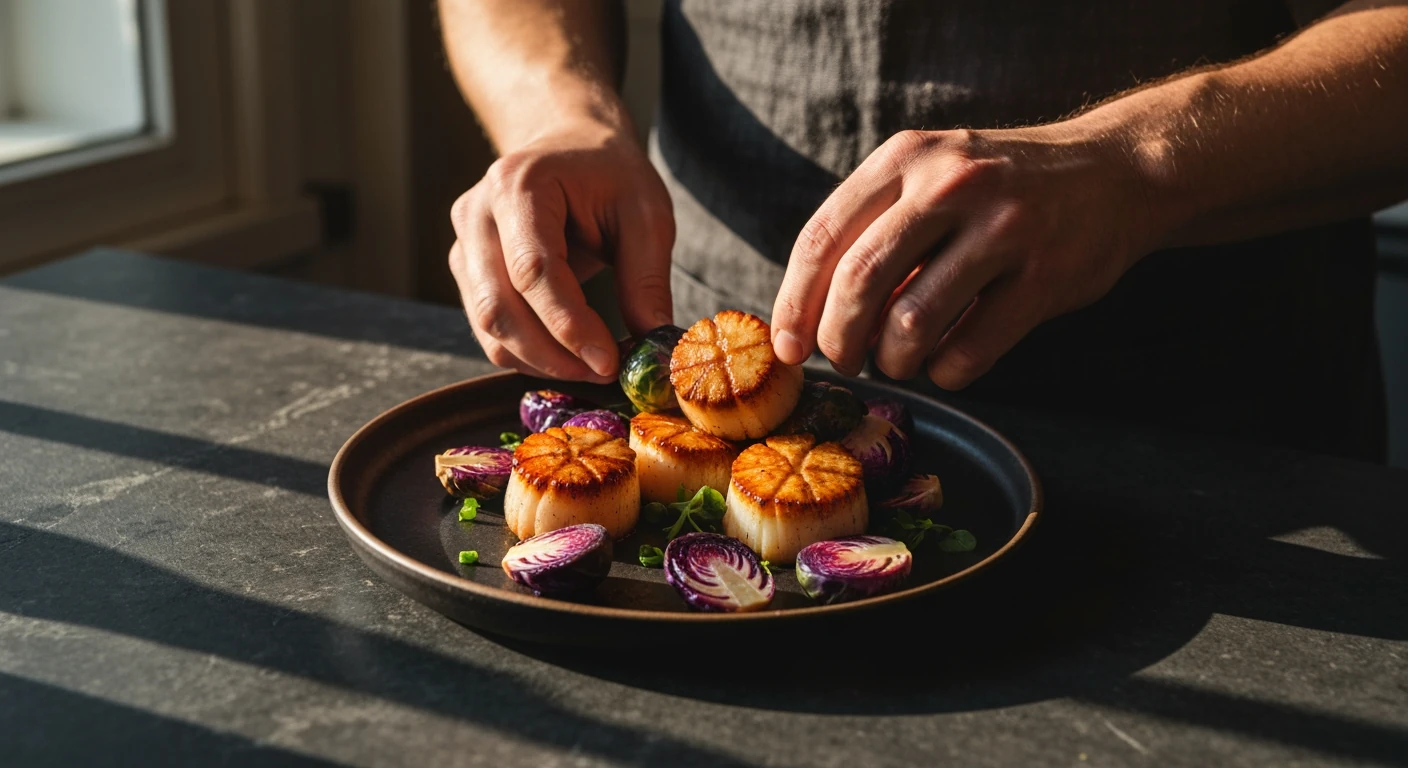
You don’t need fancy tools to start. Try arranging food in odd numbers, like three scallops instead of four, which is surprisingly more visually appealing (our brains are just wired that way). This simple trick can elevate even your weekday meals, turning your quick meal prep into a deliberate dining experience. One of those unbelievable everyday facts is how much a plate’s color can influence taste perception, so consider your dinnerware as part of the composition.
Garnishing is more than just an afterthought. Instead of a single parsley sprig, think about a drizzle of high-quality olive oil, a sprinkle of flaky sea salt, or a few vibrant microgreens to add a final pop of flavor and visual interest.
Applying these small touches doesn’t just make food look better; it changes the entire mood of the meal. Suddenly, a simple dinner feels like a special occasion, turning a routine into a cherished moment.
The Advanced Home Chef’s Toolkit: necessary Gadgets and Mindset
Making food look beautiful is a rewarding final step, but the real magic begins much earlier. It starts with having the right equipment and, more importantly, the right frame of mind. You don’t need a kitchen stocked like a three-star restaurant, but a few select tools can dramatically expand your culinary range. These gadgets are the keys that open new doors.
What separates accomplished home cooks from beginners, isn’t the price tag of their stand mixer. The underrated factor here is mindset. Adopting a perspective of curiosity and growth will do more for your cooking than any single piece of equipment ever could.
Gadgets That Make a Difference
Investing strategically in your kitchen means choosing tools that offer new capabilities, not just fancier versions of what you already own. The goal is precision, texture, and consistency. A few well-chosen items can provide all three, forming the foundation of more complex and impressive dishes.
Precision Scale for Baking and Beyond
Volume measurements are notoriously inconsistent. A cup of flour can vary in weight by up to 25% depending on how it’s packed, a discrepancy noted by the American Baking Institute as a primary cause of home baking failures. A digital kitchen scale eliminates this guesswork entirely. It’s the single best tool for achieving repeatable results, especially in baking and pastry.
But its utility extends far beyond flour. Think of it as a tool for consistency in all areas. Using a scale is basic for getting the ratio just right in a Chemex or V60, ensuring your morning coffee is perfect every time. It’s like learning musical scales before attempting to play a complex piece; mastering weight is mastering control.
Immersion Blender for Smooth Textures
Transferring a steaming pot of soup to a countertop blender is a risky, often messy, affair. An immersion blender—or stick blender—solves this problem with elegant simplicity. You can blend sauces, soups, and purees directly in the pot, achieving a velvety texture without the hassle or potential for kitchen mishaps.
What can you do with it? Create silky smooth tomato soups, emulsify a vinaigrette that won’t separate, or whip up a quick hollandaise sauce on the stove. It is surprisingly effective for making small-batch mayonnaise or aioli, giving you complete control over the texture from start to finish.
Cultivating a Culinary Growth Mindset
The most powerful tool in your kitchen is your own brain. A growth mindset, the belief that your abilities can be developed through dedication and hard work, is what fuels culinary progress. This same philosophy can completely transform your day from the moment you wake up, but in the kitchen, it’s what turns a recipe follower into a true cook.
Embrace Experimentation
Cooking from the same five recipes every week is comfortable, but comfort is the enemy of growth. Challenge yourself to try one new technique or ingredient each month. Have you ever properly clarified butter, made your own pasta, or tried fermenting vegetables? True advancement comes from pushing your boundaries, not just perfecting what you already know.
This doesn’t have to be a massive undertaking. It’s about applying new techniques to even your weekly meal prep routine. Maybe you’ll try charring your vegetables for a deeper, smokier flavor instead of just roasting them. Small changes create big results over time.
Learn from Mistakes
Every advanced cook has a history of burnt sauces, collapsed soufflés, and overly salty disasters. These aren’t failures; they are data points. I suspect the most valuable lessons are learned when things go spectacularly wrong—my “gummy gnocchi incident” is still a touchy subject—because it forces you to ask why.
Did the bread not rise? Perhaps the yeast was old or the kitchen was too cold. Was the sauce bitter? You may have scorched the garlic. Instead of getting discouraged, get curious. Analyze what happened, consult your notes or a reliable source, and adjust your approach for next time. Each mistake is a stepping stone to your next delicious success.
Beyond Technique: The Mindset of a Modern Chef
Mastering the techniques in this guide—from achieving a perfect sear to plating with purpose—is a significant step. Yet, the single most valuable tool isn’t a sous vide circulator or a specific brand of salt; it’s a shift in mindset. Advanced cooking is less about rigidly following instructions and more about cultivating an intuition fueled by understanding the ‘why’ behind the ‘what.’ It’s about viewing an ingredient not just for what it is, but for what it could become through heat, time, salt, or fat. Now that you have the principles to guide you, what established culinary rule are you most excited to experiment with and make your own?
Frequently Asked Questions
What’s the easiest advanced technique for a beginner to try?
Quick pickling is by far the most accessible. It requires no special equipment—just a jar and common pantry staples like vinegar, salt, and sugar. You can transform vegetables like onions or cucumbers in under an hour, providing a high-impact flavor boost with very little risk or effort.
Do I need expensive equipment to cook at an advanced level?
Not at all. Many advanced techniques are about knowledge, not gear. Understanding the Maillard reaction to get a better sear, or deglazing a pan to make a sauce, uses standard equipment. While tools like a sous vide circulator offer precision, you can dramatically improve your cooking with technique alone.
How can I practice advanced cooking without wasting ingredients?
Start small and focus on a single component. Practice searing one scallop instead of a dozen, or confit just a few cloves of garlic. You can also practice the motions of sauce-making, like creating a roux, with just flour, oil, and water to understand the consistency before using expensive broths.
What are common mistakes to avoid when trying new techniques?
A primary mistake is impatience, especially when browning meat; not letting the pan get hot enough or moving the food too often prevents a good crust. For methods like sous vide, failing to remove all the air from the bag can cause it to float and cook unevenly. Rushing the process is the most common pitfall.
Can advanced cooking be adapted for quick weeknight meals?
Absolutely. Many techniques are perfect for meal prep. You can make a batch of quick-pickled red onions or garlic confit over the weekend. Then, during the week, you can add them to simple pastas, salads, or roasted vegetables for an instant elevation of flavor with no extra cooking time.