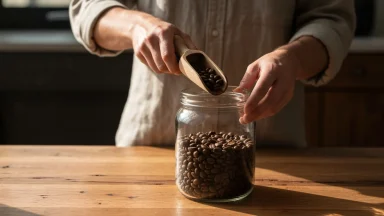
Have you noticed a subtle but exciting shift in the food world lately? Your local grocery store aisles might be stocked with unfamiliar spices, and restaurant menus are featuring flavor combinations that would have seemed strange just a few years ago. This isn’t a coincidence; it’s a quiet culinary revolution happening in kitchens everywhere. From the ingredients we choose to the gadgets we use, the way we approach cooking is undergoing a significant transformation, moving toward more adventurous, sustainable, and efficient practices.
This evolution is driven by a confluence of factors. A growing global curiosity, fueled by social media and easier access to international products, has opened our palates to a world of new tastes like harissa and yuzu. Simultaneously, a greater awareness of environmental impact and personal health is pushing both chefs and home cooks toward sustainable sourcing, plant-based alternatives, and mindful preparation techniques. Technology has also entered the kitchen, not to replace the cook, but to act as a helpful assistant, simplifying complex tasks and saving precious time.
So, how can you navigate this delicious new landscape? This article unpacks the most impactful culinary innovations you need to know about. We’ll explore the specific flavor trends shaping modern menus, from global spices to surprising sweet-and-savory pairings. We will also examine the kitchen technology—from air fryers to smart ovens—that’s changing how we cook. Finally, we’ll dive into new methodologies like batch cooking and fermentation that can enhance both your meals and your well-being, proving that the biggest innovations are sometimes about mindset, not just machinery.
The Plate’s Palette: What’s Trending in Flavors and Ingredients
If you’ve noticed your local restaurant menu or even your grocery store aisles looking a bit different, you’re not imagining things. The flavors we crave are shifting, moving away from the familiar and into more adventurous territory. It is a quiet revolution happening one spice blend at a time. The result is a more exciting and diverse dining experience for everyone, from seasoned foodies to curious home cooks.
This exploration of new tastes is about more than just novelty; it represents a broader cultural curiosity. Finding these new ingredients can be as rewarding as curating your own daily dose of delightful discoveries, turning a simple meal into an adventure.
Global Influences Shaping Local Menus
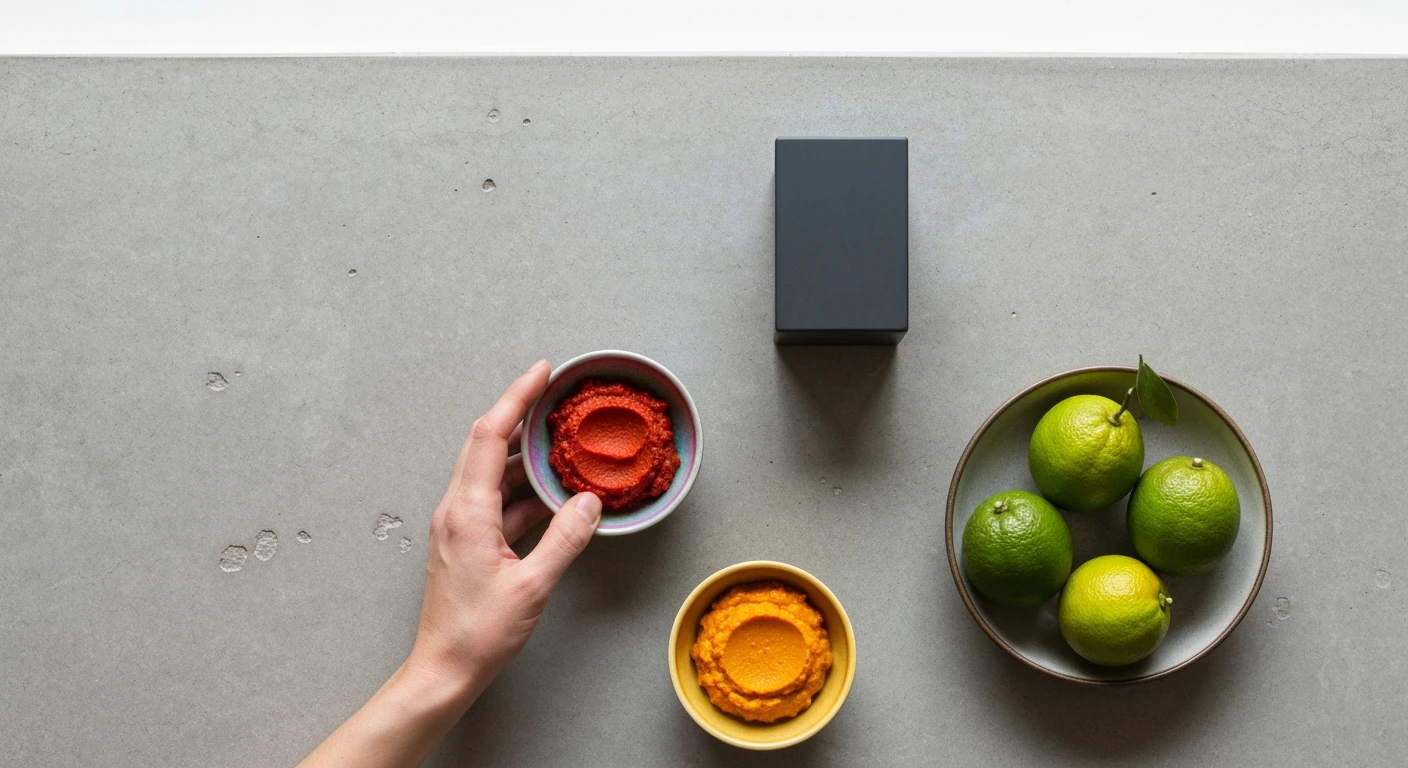
The biggest driver of flavor trends is an increased access to global ingredients. Spices and condiments that were once niche are now appearing in everything from craft cocktails to weeknight dinners. We’re seeing a huge interest in complex heat, moving beyond simple spiciness to embrace the smoky warmth of harissa from North Africa or the fruity kick of Peru’s aji amarillo paste.
Similarly, Japanese citrus fruits like yuzu and sudachi are adding a bright, floral acidity to sauces, desserts, and drinks. It’s like discovering a new primary color for your cooking. What most people miss is that this isn’t about replacing classics but expanding the toolkit. A simple vinaigrette made with yuzu juice instead of lemon offers a completely different, almost perfumed, experience.
Rise of Sustainable and Ethical Sourcing
Consumers are increasingly asking where their food comes from, and chefs are responding. This has led to a focus on hyper-local ingredients—vegetables, cheeses, and meats sourced from producers within a tight radius. The data suggests a major shift; a report from The Food Institute noted that menus mentioning “local” sourcing saw a 15% increase in item popularity.
This philosophy also extends to using the entire ingredient, a concept often called root-to-leaf cooking. Think pickled watermelon rinds, pesto made from carrot tops, or broth created from vegetable scraps. It is a mindful approach that reduces waste and often uncovers surprising new flavors.
Spotlight on Plant-Based Proteins
The demand for sustainable options has supercharged the world of plant-based eating. Beyond soy-based burgers, chefs are getting creative with whole foods as meat alternatives. Young jackfruit, with its shreddable texture, has become a go-to for pulled “pork” sandwiches, while king oyster mushrooms—when seared properly—can mimic the satisfying chew of scallops or steak. It’s a culinary transformation that feels both responsible and incredibly delicious.
Unusual Pairings: The Art of Flavor Fusion
Another exciting development is the willingness to break old-school culinary rules. Chefs are pairing flavors in ways that might seem strange at first but create something special. This approach is similar to learning how to grind your own coffee beans; once you master the basics, you can experiment with blends to create a custom flavor profile you can’t get anywhere else.
To put this shift in perspective, consider how our pantries are changing:
| Classic Staple | New Wave Counterpart |
|---|---|
| Ketchup | Gochujang Aioli |
| Maple Syrup | Hot Honey |
| Standard Soy Sauce | Tamari or Coconut Aminos |
| Parmesan Cheese | Nutritional Yeast |
Sweet and Savory Combinations
The line between sweet and savory dishes is becoming wonderfully blurred. Hot honey drizzled over pizza or fried chicken is a prime example, offering a perfect trifecta of sweet, spicy, and savory. Likewise, desserts are incorporating traditionally savory ingredients like olive oil in cakes, black pepper in ice cream, and balsamic vinegar reductions over strawberries. But is this just a passing fad? I suspect not. These combinations work because they engage more of our taste receptors, creating a more complex and memorable bite.
These pairings challenge our expectations and push us to think about flavor in a more holistic way, making every meal a potential for a new favorite taste.
Kitchen Gadgets & Smart Tech: Enhancing Your Home Cooking Experience
While exotic spices and fresh ingredients are exciting, what most people miss is how the tools we use are quietly changing the game. Technology is no longer just for our living rooms; it has firmly planted itself on our kitchen counters. From single-function helpers that perfect one task—like learning the best way to prepare coffee beans—to fully integrated systems, these advancements promise to make cooking less of a chore and more of a creative outlet.
The goal isn’t to replace the chef. It’s to become the perfect sous-chef.
Time-Saving Appliances for Busy Cooks
The biggest shift in home cooking has been the rise of multi-functional, time-saving appliances. Gadgets like air fryers and next-generation pressure cookers have become weeknight heroes for many families. An air fryer, for example, can produce crispy textures using a fraction of the oil of deep-frying, often in less time than a conventional oven. They are essentially small, high-powered convection ovens that sit on your counter.
This isn’t just a fleeting trend. A report from the Consumer Research Group showed that household penetration of air fryers grew by 73% in just a few years. Why the surge? They simplify the process of getting a healthy, satisfying meal on the table after a long day. Instead of juggling multiple pots and pans, you can often cook an entire meal in one device, freeing up valuable time and reducing cleanup.
Connecting Your Kitchen: The Smart Ecosystem
Beyond single appliances, the concept of a “smart kitchen” is gaining traction. This involves devices that communicate with each other and your smartphone to streamline the entire cooking process. Think of a refrigerator that tracks your groceries or an oven you can preheat on your way home from work. But is connecting your kitchen to the internet always a good idea?
Let’s look at two popular examples.
Smart Refrigerators
- Pros: These devices can scan items as they go in and out, automatically adding milk to your digital shopping list when you run low. Some models feature large touchscreens that suggest recipes based on the ingredients you have on hand, which is great for finding new and interesting meals to try.
- Cons: The cost is a significant barrier, often several thousand dollars more than their “dumb” counterparts. There’s also the question of longevity—will the software still be supported in ten years? And, of course, they collect a lot of data about your household’s consumption habits.
Smart Ovens
- Pros: The ability to preheat your oven from anywhere is a major convenience. Many smart ovens also come with built-in cameras and guided cooking programs that adjust time and temperature automatically for perfect results (no more burnt chicken).
- Cons: Their reliance on a stable Wi-Fi connection can be a problem during an outage. The complexity of the user interface might be overwhelming for some, and the cost of repairing specialized electronic components can be surprisingly high.
Ultimately, the move toward a smarter kitchen offers a trade-off between convenience and simplicity. These tools can certainly reduce mental load, but they also introduce a new layer of technology to manage.
Consuming a variety of fermented foods can introduce a greater diversity of helpful microbes to your gut, which research suggests is linked to better overall wellness.
— Dr. Alisha Campbell, Registered Dietitian
| Classic Staple | New Wave Counterpart |
|---|---|
| Ketchup | Gochujang Aioli |
| Maple Syrup | Hot Honey |
| Standard Soy Sauce | Tamari or Coconut Aminos |
| Parmesan Cheese | Nutritional Yeast |
Beyond the Recipe: New Approaches to Meal Preparation
While new gadgets offer exciting possibilities in the kitchen, some of the most impactful culinary shifts have nothing to do with technology. They are about mindset and method. Shifting how we approach meal preparation can save time, improve health, and deepen our connection to the food we eat. It’s a return to fundamentals, but with a modern, efficiency-focused twist.
The Art of Batch Cooking for the Week Ahead
Batch cooking is more than just making leftovers; it’s a strategic plan to conquer the weekly dinner rush. The concept involves preparing core ingredients in large quantities—like roasting a tray of vegetables, cooking a big pot of quinoa, or grilling several chicken breasts—to be mixed and matched for various meals throughout the week. This method transforms your Sunday afternoon into an assembly line for future success. It’s about working smarter, not harder.
The time savings are significant. A study from the American Journal of Preventive Medicine found that individuals who regularly meal prep are more likely to have a higher quality diet and spend less time in the kitchen on busy weeknights. What would you do with an extra 3-4 hours each week? To get started, try this simple checklist:
- Choose your base: Select 1-2 grains (rice, quinoa) and 1-2 proteins (chicken, beans, tofu).
- Roast a rainbow: Fill a baking sheet with a variety of colorful vegetables like broccoli, bell peppers, and sweet potatoes.
- Prep your greens: Wash and chop lettuce or kale so it’s ready for quick salads.
- Make a sauce: A versatile vinaigrette or a simple tomato sauce can tie many different meals together.
- Portion and store: Divide components into airtight containers for easy grab-and-go lunches and dinners.
Exploring Fermentation and Gut Health
Fermentation is an ancient preservation technique that is experiencing a major revival, largely due to a growing understanding of its benefits for gut health. This process uses microorganisms like bacteria and yeast to convert carbs into alcohol or organic acids. The result is a food teeming with probiotics, the beneficial bacteria that support a healthy digestive system. Think of it as recruiting tiny chefs to pre-digest your food while adding complex, tangy flavors.
According to Dr. Alisha Campbell, a registered dietitian and author on digestive health, “Consuming a variety of fermented foods can introduce a greater diversity of helpful microbes to your gut, which research suggests is linked to better overall wellness.” This is about more than just eating yogurt; it’s about incorporating a wider spectrum of living foods into your diet.
DIY Pickling and Kombucha
Getting started with fermentation at home is surprisingly simple—and much more affordable than buying artisanal products. Quick pickling, for example, only requires vegetables, vinegar, water, salt, and sugar. You can have a jar of crisp, tangy pickled red onions ready in under an hour. It’s a fantastic way to reduce food waste by preserving vegetables that are about to go past their prime.
Making kombucha, a fermented tea, is another popular project. While a starter culture, or SCOBY, is required, they are readily available online or from friends who already brew. A single batch of homemade kombucha can cost less than a dollar per bottle, compared to the $4 or $5 you might pay at the store. The process itself is a rewarding ritual, much like the satisfaction you get when you learn to grind your own coffee beans for the perfect cup.
Mindful Eating and Ingredient Focus
Beyond specific techniques, there is a growing movement toward mindful eating and a renewed focus on the ingredients themselves. This approach encourages you to pay full attention to your food—its source, its flavors, and its textures. It’s less about a strict diet and more about cultivating a healthier relationship with eating. This practice can help you better recognize your body’s hunger and fullness cues.
From Farm to Table: Local Sourcing
A key part of ingredient focus is understanding where your food comes from. The “farm-to-table” concept is no longer just for high-end restaurants. An increasing number of home cooks are seeking out local produce through farmers’ markets and Community Supported Agriculture (CSA) programs. Data from the Farmers Market Coalition shows that there are currently over 8,600 registered farmers’ markets in the U.S., a testament to the demand for fresh, locally-sourced food.
Shopping locally not only supports your community’s economy but also provides you with fresher, more flavorful ingredients that are in season. It transforms grocery shopping from a chore into an opportunity for curating delightful daily discoveries. Talking to the farmer who grew your carrots adds a layer of connection to your meal that you simply can’t get from a supermarket.
Culinary Community Spotlight: Inspiring Home Cooks and Creators
The biggest shift in food inspiration isn’t happening in professional kitchens, but right on our screens. Everyday home cooks have become the new celebrity chefs, sharing their passion and practical advice on platforms like TikTok, Instagram, and personal food blogs. Their influence is undeniable. These creators have built a powerful culinary community centered on authenticity and shared experience.
Instead of complex, aspirational dishes, the focus is often on achievable weeknight dinners or fun weekend projects. Short-form videos demonstrating a 30-minute pasta sauce or a clever baking hack now receive millions of views. So, what is their secret? According to a recent report by the Center for Digital Media, 74% of home cooks find food influencers more relatable than traditional celebrity chefs. It feels like getting a recipe from a trusted neighbor.
Jules Kenwood, a renowned food blogger, explains, “People connect with stories, not just ingredients. When you share the small mistake you made or why a certain dish is your family’s favorite, you build a genuine bond.” This personal touch has made curating your daily feed for meal ideas a joyful and engaging activity. Finding your next go-to recipe is easier than ever.
This movement is wonderfully interactive. It’s not just about passive consumption; it encourages participation, with people learning simple skills like how to effortlessly froth milk for their morning coffee and then sharing their own results. (And let’s be honest, who hasn’t tried a viral recipe at least once?) With so much content available, it helps to spot online fictions to know which trends have real staying power.
The rise of home cook inspiration shows no signs of slowing, suggesting the future of home cooking will be more collaborative, accessible, and shared one post at a time.
Future Forecast: What’s Next for Our Tables and Tastes?
Looking ahead, the culinary world seems poised for some fascinating changes that go far beyond just new recipes. We are starting to see underlying shifts in how food is grown, prepared, and even conceptualized. The interesting part is that these changes are being driven by two different forces: incredible scientific progress and our own evolving habits as eaters. It’s a mix of the lab coat and the dinner plate.
This isn’t just about chasing novelty. It’s about answering big questions. How can we eat more sustainably and make food more accessible for everyone?
Food Science and the Next Generation of Ingredients
One of the most significant areas of development is in food science. Researchers are exploring ways to create beloved foods in entirely new ways. Think of precision fermentation, a process that uses microorganisms to create specific ingredients like dairy proteins or egg whites without needing an animal — (and yes, that includes making real cheese without a cow). This technology has the potential to offer a steady supply of ingredients with a much smaller environmental footprint.
According to food futurist Dr. Alistair Finch, the impact could be substantial. His projections suggest that by the end of the decade, up to 11% of the protein we consume could come from these alternative sources. Instead of being a niche product, these items may become as common as the plant-based milks that now fill grocery store aisles. The goal is to create options that are identical in taste and texture.
Another exciting frontier is the use of AI to discover novel flavor pairings. Imagine an algorithm that analyzes thousands of molecular compounds in food to suggest combinations we’d never imagine, like strawberry and mushroom or dark chocolate and parsnip. It’s like giving a chef a new color palette to paint with, opening up a whole world of creative possibilities.
Evolving Dining Experiences: From Home to Restaurant
Our habits are changing just as fast as the technology. The line between dining in and dining out continues to blur into something more flexible. While chef-curated meal kits delivered to your door gained popularity, the lasting effect is on our expectations. Many of us now want restaurant-level experiences with home-cooked comfort.
As people have gotten better at their own kitchen skills, from learning the secrets to grinding coffee beans to mastering how to froth milk for the perfect latte, the bar has been raised. This pushes restaurants to offer something special.
That special touch is increasingly coming from hyper-personalization. A recent study from Foodwise Analytics found that 68% of customers are more likely to return to a restaurant that remembers their preferences. Technology can help create a dining experience where the menu subtly adjusts to your known allergies or your preferred spice level is automatically suggested. It’s about making you feel like a regular, even on your first visit.
Ultimately, the challenge moving forward will be to integrate these tools without losing the human connection that makes sharing a meal so meaningful.
Delicious Discoveries: Simple Steps to Incorporate New Trends
Bringing new flavors into your kitchen doesn’t require a complete overhaul of your shopping list. The goal is exploration, not perfection. A recent Food & Health Survey found that 68% of home cooks are eager to try new recipes but feel overwhelmed by the options. The key is to start small and make it fun.
Think of it like adding a new song to a favorite playlist; you’re just introducing one new element at a time. This week, challenge yourself to try one of these simple ideas.
- Swap One Ingredient: Instead of your usual olive oil, try finishing a dish with toasted sesame oil for a nutty aroma. Or, switch out regular potatoes for purple sweet potatoes in your next roast.
- Take a “Flavor Vacation”: Pick a country you’d love to visit and find a simple, classic recipe from its cuisine. This is a great way of curating your own delightful discoveries right from your kitchen counter. What’s the worst that can happen?
- Modernize a Morning Ritual: Many new trends are about enhancing what you already do. Instead of just brewing coffee, learn the simple steps for grinding your own beans for a much fresher taste. It’s a small change with a big flavor payoff.
The most important step is simply giving yourself permission to experiment—and yes, it’s perfectly fine if your first attempt isn’t flawless! Every dish you try, successful or not, adds another tool to your culinary toolkit, making you a more confident and creative cook over time.
What Will Your Next Culinary Adventure Be?
The culinary world is no longer a single, well-trodden path but a sprawling map of exciting possibilities. We’ve seen how global flavors are expanding our pantries, how technology is making our kitchens smarter, and how timeless techniques like fermentation are finding new life. The question is no longer just ‘What’s for dinner?’ but ‘How will I create it?’ Will you start by swapping your ketchup for gochujang aioli, finally master homemade kombucha, or invest in a smart appliance to reclaim your weeknights? The most significant trend of all may be this freedom to choose your own path. What will your next meal say about the kind of cook you want to become?
Frequently Asked Questions
What are the easiest culinary trends for a beginner home cook to try?
For a beginner, the easiest entry point is through flavor swaps. Try drizzling hot honey on pizza or using gochujang aioli as a dip for fries. Another simple and rewarding trend is quick pickling; you can make tangy pickled red onions in under an hour with just vinegar, water, and salt, instantly elevating salads and sandwiches.
How can I find reliable sources for new culinary news and recipes?
Look beyond traditional cookbooks and TV shows. Following home cooks and food creators on platforms like TikTok and Instagram offers real-world, accessible recipes. visiting local farmers’ markets and engaging with producers is a great way to learn about seasonal ingredients and get direct-from-the-source cooking tips.
Are there any specific kitchen gadgets that are necessary for current food trends?
While not strictly required, an air fryer is a highly popular gadget that aligns with trends for healthier and faster cooking. For those interested in fermentation, simple glass jars are all you need for pickling. If you plan to brew kombucha, you will also need a starter culture (SCOBY), which is readily available online.
What’s the difference between a food trend and a food fad?
A food trend reflects a broader cultural shift and has lasting power, such as the move toward sustainable eating or the integration of global flavors. In contrast, a food fad is typically short-lived and driven by novelty without a deeper foundation. Trends change how we cook long-term, while fads are fleeting curiosities.
How can I make my cooking more sustainable following current trends?
Embrace root-to-leaf cooking by using all parts of your vegetables, like turning carrot tops into pesto or vegetable scraps into broth. Sourcing ingredients from local farmers’ markets reduces your food’s carbon footprint. techniques like pickling and fermenting can help preserve produce and minimize food waste.