
The word “wellness” often conjures images of expensive retreats, grueling workout regimens, and restrictive diets that feel more like punishment than self-care. In a world saturated with tips, tricks, and must-have products, the path to feeling good can seem overwhelmingly complex and reserved for those with unlimited time and resources. This pressure to perform wellness perfectly often leads to the opposite result: burnout, frustration, and the feeling that you’re somehow failing at the simple act of living a healthy life.
But a significant shift is underway, moving the conversation away from extreme measures and toward a more gentle, holistic approach. The emerging perspective recognizes that true well-being isn’t a destination you arrive at through sheer force of will. Instead, it’s a personal and dynamic practice woven into the fabric of your daily life. It acknowledges that mental clarity is as vital as physical strength, that nourishing your body goes beyond calorie counting, and that meaningful connection is a powerful antidote to modern-day stress.
This guide cuts through the noise to focus on the foundational habits that are redefining what it means to be well today. We will explore the power of integrating small moments of mindfulness into a busy schedule and uncover the science behind the gut-brain connection that is revolutionizing our approach to nutrition. we’ll look at how joyful, accessible movement is replacing rigid fitness routines and discuss strategies for cultivating genuine social connections in an increasingly digital world. Prepare to discover sustainable practices that honor your individuality and empower you to build a version of wellness that works for you.
The Evolving Landscape of Wellness: More Than Just Fitness
When you hear the word “wellness,” your mind might jump to images of intense gym sessions or strict green-juice diets. For a long time, that was the dominant picture, largely shaped by the fitness booms of previous decades. But the conversation has shifted dramatically. Today’s approach is much broader and more personal, treating well-being less like a single ingredient and more like a balanced recipe where physical health is just one part of the dish. It’s about the whole self.
This modern perspective brings mental, emotional, and even social health into the spotlight, recognizing that they are all interconnected. Thinking about wellness holistically means acknowledging that a stressful workday can impact you just as much as a missed workout. What good is a healthy body if your mind is overwhelmed? The data suggests this shift is significant, with a recent report from the Global Wellness Institute valuing the global wellness market at an astonishing $5.6 trillion.
This isn’t just a fleeting trend; it’s a basic re-evaluation of what it means to live a good life. It incorporates everything from mindfulness practices to the simple happiness derived from crafting your daily ritual at home. This wider view is surprisingly empowering.
By expanding the definition, we open up countless accessible paths toward feeling better. The focus moves from impossible standards to small, sustainable actions that genuinely make a difference in your daily experience, forming the true foundation for cultivating joy and everyday wellness in a way that feels authentic to you.
Mindful Moments: Integrating Presence into Daily Life
The shift toward holistic well-being has placed a huge emphasis on our mental state, moving beyond just bubble baths and spa days. Mindfulness, the practice of being present and fully aware of the moment, has become a cornerstone of modern wellness. It’s about paying attention on purpose, without judgment. Think of it like adjusting the focus on a camera; instead of a blurry background of worries and to-do lists, you bring one single moment into sharp, clear view.
This isn’t about emptying your mind. It’s about observing your thoughts without getting carried away by them. The data suggests—though not conclusively—that the benefits are substantial. A recent study published in the Journal of Health Psychology showed that participants engaging in daily mindfulness for just 10 minutes saw a 22% reduction in self-reported stress levels over eight weeks. It’s a small investment with a significant return.
Simple Mindfulness Exercises for Beginners
Starting a mindfulness practice doesn’t require a silent retreat or hours of meditation. You can weave these moments into the busiest of schedules. The underrated factor here is consistency over duration. A few minutes every day builds the mental muscle more effectively than one long session per month. For a deeper look into building these habits, consider exploring the principles behind cultivating joy and everyday wellness as a foundation.
Here are a few popular techniques to get you started:
- The One-Minute Breath: Simply stop what you’re doing and focus on your breath for 60 seconds. Notice the sensation of the air entering your nostrils and filling your lungs. That’s it. It’s surprisingly effective at resetting your nervous system — and this really works, even if you’re a total skeptic.
- Body Scan Meditation: Lie down comfortably and bring your attention to your toes. Notice any sensations without trying to change them. Slowly move your awareness up through your feet, legs, torso, and all the way to the top of your head. This practice helps reconnect your mind with your body.
- Mindful Observation: Choose an object nearby, like your coffee mug or a plant. Observe it for a minute as if you’ve never seen it before. Notice its colors, textures, and shape. This anchors you firmly in the present. Even the ritual of crafting your daily coffee at home can become a powerful moment of presence.
Mindful Eating: Savoring Every Bite
How often do you eat lunch while scrolling through your phone or answering emails? Mindful eating is the gentle practice of bringing your full attention to the experience of eating and drinking. It involves listening to your body’s hunger cues and savoring the food you eat, which can completely change your relationship with meals.
It starts with the senses. Before taking a bite, look at your food and notice the colors and arrangement on the plate. Smell the aromas. As you chew, identify the different flavors and textures. This practice not only increases enjoyment but can also improve digestion and prevent overeating. You don’t need special foods, just your full attention and perhaps a few necessary kitchen tools to prepare a meal you want to savor.
By transforming routine actions into moments of presence, you begin to build a more peaceful and aware inner world, one small habit at a time.
A healthy gut microbiome is like a well-tended garden; it supports solid communication with the brain, which can lead to reduced anxiety and improved mental clarity.
— Dr. Elena Vasquez, Gastroenterologist at the Johns Hopkins Center for Neurogastroenterology
| Habit Category | Key Concept | Simple First Step |
|---|---|---|
| Mindfulness | Being fully present without judgment to reduce stress and increase awareness. | Practice the ‘One-Minute Breath’ by focusing solely on your breathing for 60 seconds. |
| Nutrition | Moving beyond diets to focus on holistic health, like the gut-brain connection and intuitive eating. | Add one serving of a fermented food (like yogurt or kefir) or a high-fiber vegetable to a meal today. |
| Movement | Prioritizing consistent, joyful activity over intense, infrequent workouts. | Try ‘exercise snacking’ by taking a 10-minute brisk walk during a break in your day. |
| Social Connection | Cultivating deep, meaningful relationships to combat loneliness and boost emotional health. | Designate one mealtime as a ‘no-phone zone’ to be more present with yourself or others. |
Nourishing Your Body: Beyond Dieting Fads
Moving away from restrictive diets, the current focus in nutrition is on building sustainable habits that support long-term health. This isn’t about quick fixes or punishing workout routines. It’s about understanding what your body needs and learning how to provide it with kindness and consistency. The data suggests this shift is significant; a recent survey from the Food & Nutrition Magazine found that 68% of people are more interested in holistic health than in specific diet plans.
The goal is to cultivate a positive relationship with food. This approach serves as a more gentle path to wellness, one that feels less like a chore and more like an act of self-care.
The Gut-Brain Connection: A Foundation for Wellness
One of the most discussed topics in health circles is the link between our digestive system and our mental state. Scientists now understand that the gut is lined with millions of nerve cells — so many that it’s often called the “second brain.” These cells communicate directly with our actual brain, influencing everything from mood to cognitive function. It’s a two-way street.
What most people miss is that this connection is profoundly affected by what we eat. A diet rich in fiber, fermented foods like yogurt and kefir, and a variety of vegetables helps cultivate a diverse microbiome. According to Dr. Elena Vasquez, a gastroenterologist at the Johns Hopkins Center for Neurogastroenterology, “A healthy gut microbiome is like a well-tended garden; it supports solid communication with the brain, which can lead to reduced anxiety and improved mental clarity.” An unhealthy gut, can send stress signals to the brain, even when there’s no external stressor.
Intuitive Eating: Listening to Your Body’s Cues
Imagine eating without guilt or complex rules. That’s the core promise of intuitive eating, a non-diet approach that encourages you to honor your body’s natural hunger and fullness signals. It involves rejecting the diet mentality that tells you certain foods are “good” and others are “bad.” Instead, you learn to trust your internal cues to decide what, when, and how much to eat.
This method isn’t about eating whatever you want without consequence. It’s an active practice of mindfulness. Are you eating because you’re hungry, or are you bored, sad, or stressed? Learning to differentiate these feelings is the first step toward a more balanced and peaceful relationship with food.
Breaking Free from Diet Culture
Diet culture is pervasive, promising happiness and health through weight loss and food restriction. But how do you actually block out decades of this messaging? The key is to challenge the food police in your head—that inner critic that scolds you for eating a piece of cake. By consciously separating culinary fact from fiction, you can begin to dismantle these ingrained beliefs.
It’s a process of unlearning. You start by giving yourself unconditional permission to eat all foods, which surprisingly reduces the power and cravings those “forbidden” foods hold over you. It’s about finding food freedom.
Plant-Powered Plates: More Than Just a Trend
The rise of plant-based eating shows no signs of slowing down, and for good reason. While some people adopt a fully vegan or vegetarian lifestyle, many more are simply becoming “plant-curious,” incorporating more fruits, vegetables, legumes, and grains into their meals. This isn’t about rigid labels; it’s about adding more nutrient-dense foods to your plate.
The underrated factor here is accessibility. Supermarkets now have entire sections dedicated to plant-based alternatives, from oat milk to meatless burgers, making it easier than ever to experiment. Building a meal is a bit like getting dressed; you don’t have to throw out your entire wardrobe to try a new shirt. You can simply add a new piece—like a meatless Monday—to see how it feels without committing to a total overhaul.
Easy Ways to Incorporate More Plants
Adding more plants to your diet doesn’t require a complete kitchen transformation or a chef’s skillset. Small, consistent changes are much more effective. With the right primary kitchen tools, you’ll find preparation becomes much simpler.
- Start with one meal: Try making your breakfast or lunch entirely plant-based. A smoothie with spinach or an oatmeal bowl with berries is a simple entry point.
- Bulk up with beans: Add a can of lentils or chickpeas to soups, stews, and pasta sauces. This increases fiber and protein while making the meal more satisfying.
- Reimagine your favorites: Make a “meaty” bolognese with mushrooms and walnuts instead of ground beef, or try black bean burgers for your next cookout.
- Snack smarter: Swap processed snacks for options like a handful of almonds, an apple with peanut butter, or carrots with hummus.
The journey toward nourishing your body is personal and shouldn’t be defined by the latest fad. It’s about discovering what makes you feel your best, one mindful bite at a time.
Movement as Medicine: Redefining Fitness for All
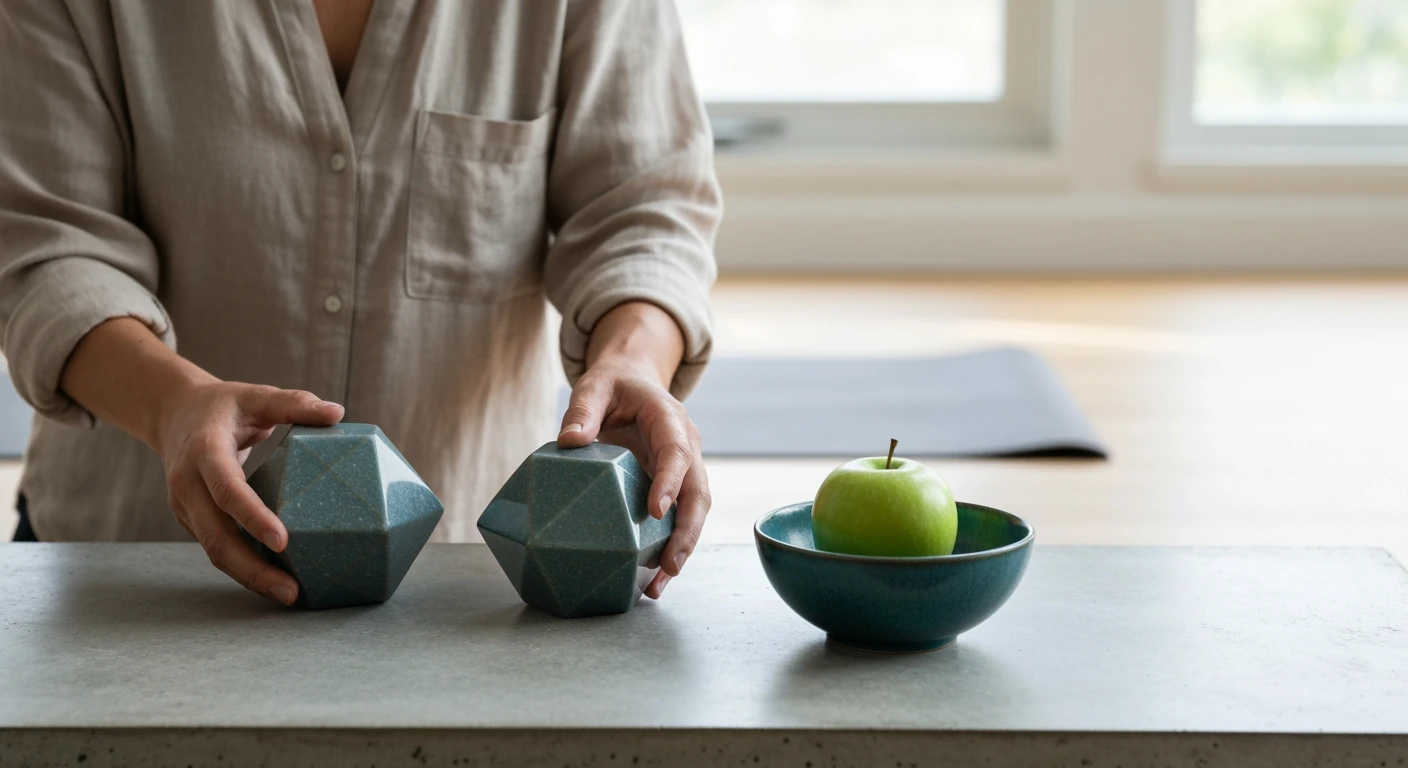
The conversation around fitness is thankfully shifting. Gone are the days when “working out” exclusively meant grueling, hour-long sessions at the gym. The new focus is on finding consistent, joyful movement that fits into your life, not the other way around. What most people miss is that consistency almost always trumps intensity. It’s about building a habit, not burning out.
Enter the concept of exercise snacking. This approach involves breaking up activity into small, 10-to-15-minute bursts throughout the day. It’s like having small, healthy snacks instead of one giant meal. Think a brisk walk during your lunch break, a few sets of squats while waiting for water to boil, or dancing in the kitchen as you craft your exquisite coffee at home. This method makes fitness feel less like a chore and more like a natural part of your day.
A recent poll by the American Council on Exercise found that 63% of adults who exercise regularly prefer shorter, more frequent activities over single long workouts. Of course, the debate between home workouts and gym memberships continues. Working out at home offers unparalleled convenience and privacy, but can lack motivation and equipment variety. Gyms provide community and professional gear—at a monthly cost. Which is better? The one you will actually stick with.
Ultimately, this trend is about personalizing movement. By reframing exercise as a tool for feeling good, it becomes a sustainable part of a gentle path to everyday wellness rather than an obligation to dread. The goal is simply to move your body in a way that brings you energy and happiness.
The Power of Connection: Social Wellness in a Digital Age
We carry devices in our pockets that connect us to billions of people, yet feelings of isolation are surprisingly common. Research from Brigham Young University suggests that chronic loneliness can be as detrimental to a person’s health as smoking 15 cigarettes a day. What most people miss is that the quality of our connections often matters more than the quantity. Social wellness is a huge part of the puzzle.
Just as joyful movement nourishes the body, meaningful relationships nourish the soul. The challenge is building those bonds when so much of our interaction happens through a screen. This isn’t about abandoning technology, but rather using it as a tool instead of letting it become the entire experience.
Cultivating Meaningful Relationships Offline
Building real-world connections requires a different kind of effort than sending a text. A digital message is like instant coffee, but a face-to-face chat is more like learning to craft the perfect brew at home; the process itself creates depth and a much richer result. You get to see the subtle smile or hear the change in someone’s tone—details that are completely lost in a chat bubble.
You can start small. Consider joining a local book club, signing up for a pottery class, or even just making a point to chat with the barista at your favorite coffee shop. The goal is to find shared interests that create natural opportunities for conversation. This is a core part of cultivating joy in everyday life, finding community in unexpected places.
It’s about being present.
Setting Boundaries with Technology
The goal isn’t a complete digital purge—which is unrealistic for most of us—but to create a healthier balance. Managing your screen time is like curating your pantry; you want to stock it with things that nourish you and limit the junk food. How many times have you found yourself scrolling endlessly just to fill a quiet moment?
Creating intentional boundaries can make a significant difference. Here are a few simple habits to try:
- Designate “No-Phone Zones”: Make the dinner table or your bedroom a screen-free space to encourage conversation and better sleep.
- Schedule Tech Time: Set aside specific, short blocks of time for checking social media or emails, rather than letting it interrupt your day constantly.
- Prune Your Notifications: Turn off all non-required alerts. Do you really need a banner to pop up every time someone likes a photo?
- Curate Your Feeds: Unfollow accounts that make you feel anxious or inadequate. A more positive digital environment is easier to step away from, much like learning how to spot bias and filter your news intake.
By taking back control of your digital habits, you free up more mental and emotional space for the connections that matter.
Crafting Your Personalized Wellness Blueprint: A Step-by-Step Guide
Jumping into wellness without a plan is like trying to bake a cake by randomly throwing ingredients into a bowl. You might get lucky, but you’ll probably just make a mess. A personalized wellness blueprint acts as your recipe, guiding you toward habits that actually fit your life. The goal isn’t a dramatic, overnight transformation but a series of small, sustainable steps that add up over time.
What most people miss is that consistency beats intensity every single time. A 10-minute walk every day is far more beneficial than a punishing two-hour gym session once a month that leaves you sore and unmotivated. This is about building a foundation, not a facade.
Step 1: Self-Assessment – What Does Wellness Mean to You?
Before you download a single app or buy new running shoes, take a moment to reflect. True wellness is a highly personal concept that extends beyond just diet and exercise. Consider the different pillars of your life: physical health, mental clarity, emotional balance, social connection, and even creative expression. Where do you feel strong, and which areas could use a little more attention?
Grab a notebook and jot down some thoughts. What activities make you feel genuinely energized and happy? What drains you? A study from the Journal of Positive Psychology found that individuals who set self-defined goals based on their personal values had a 64% higher rate of long-term success compared to those who followed generic advice. This initial step helps you find your “why,” which is the most powerful motivator there is for cultivating joy and everyday wellness.
Step 2: Start Small, Stay Consistent
The temptation to overhaul your entire life at once is strong, but it’s often a recipe for burnout. Instead of vowing to go from zero to a marathon runner in a month, focus on one or two tiny changes. The logic here is simple: make the new habit so easy that it feels almost silly not to do it. This builds momentum without relying on finite willpower.
The Power of Micro-Habits
Dr. BJ Fogg of Stanford’s Behavior Design Lab champions the idea of “Tiny Habits,” actions that take less than 30 seconds to complete. The underrated factor here is that these small wins rewire your brain to crave success. Think about it. Instead of “read more,” your goal becomes “read one page of a book.” Instead of “start meditating,” it’s “sit and breathe for 60 seconds.”
These micro-habits can be seamlessly integrated into your existing routine—a concept known as habit stacking. For instance, after you turn on the coffee maker, you do five squats. Attaching a new, small habit to an existing one, like making your morning cup, automates the process. It becomes part of a larger, effortless sequence, much like following the steps for your daily ritual of crafting coffee.
Step 3: Track Your Progress and Adjust
A wellness plan is not carved in stone; it’s a living document that should evolve with you. What works for you one month might not serve you the next. Regularly checking in with yourself is required for long-term success. Did that 7 AM yoga class really fit your night-owl schedule, or did it just become another source of stress?
Tracking isn’t about judgment. It is about data collection.
Seeing your progress—no matter how small—provides a powerful psychological boost. It validates your effort and makes it easier to keep going on days when motivation is low. It’s also notable for identifying what isn’t working so you can adjust your approach without feeling like a failure. The plan serves you, not the other way around.
Tools for Habit Tracking
You don’t need fancy software to monitor your habits, though there are plenty of great options available. The best tool is simply the one you’ll actually use consistently. Here are a few ideas:
- A Simple Notebook: A dedicated journal allows for flexibility. You can track habits, write down reflections, and note how you felt each day.
- A Wall Calendar: There’s a surprising amount of satisfaction in putting a big ‘X’ through a day once you’ve completed your habit. It creates a visual chain you won’t want to break.
- Habit-Tracking Apps: Digital tools like Streaks, Habitify, or Finch can send reminders and provide satisfying charts that visualize your progress over time.
The key is to create a feedback loop that reinforces your new behaviors. This journey is a series of experiments, and with each small adjustment, you get closer to a routine that supports your well-being.
Your Personal Wellness Blueprint
As we’ve seen, the modern approach to wellness is less about adopting a rigid set of rules and more about curating a personal toolkit of sustainable practices. The true challenge isn’t mastering every habit overnight, but rather giving yourself the grace to experiment. What if you treated your well-being like a science experiment of one? Try a week of mindful eating, not to be ‘good,’ but simply to gather data on how it makes you feel. Swap a gym session for a long walk with a friend and observe the effect on your mood. By embracing curiosity over criticism, you transform the journey from a pass/fail test into a fascinating process of self-discovery. What is the one small, joyful experiment you’re willing to try this week?
Frequently Asked Questions
What are the most accessible wellness habits for busy individuals?
For those with packed schedules, the most accessible habits are those that can be integrated into existing routines. ‘Exercise snacking’—taking short 10-minute breaks for a walk or squats—is highly effective. Similarly, one-minute mindfulness exercises, where you simply focus on your breath, can be done anywhere, at any time, to reset your nervous system without disrupting your day.
How can I tell if a wellness trend is genuinely beneficial or just a fad?
A genuine wellness practice is typically sustainable, flexible, and supported by scientific evidence, even if preliminary. Ask yourself if it encourages a positive, long-term relationship with your body, like intuitive eating does. Fads often promise quick, dramatic results, require expensive products, or involve rigid, restrictive rules that are difficult to maintain and can lead to feelings of failure.
Is it possible to combine multiple wellness habits into one routine?
Absolutely. Combining habits is one of the most efficient ways to build a holistic routine. For example, taking a walk in nature with a friend combines physical movement, social connection, and mindfulness. Practicing mindful eating merges the habit of being present with nourishing your body. This ‘habit stacking’ makes wellness feel less like a checklist and more like a fluid part of your life.
What role does sleep play in overall wellness, beyond just feeling rested?
Sleep is a foundational pillar of wellness that actively impacts all other areas. Beyond combating fatigue, quality sleep is critical for regulating hormones that control appetite and stress, consolidating memories, and clearing metabolic waste from the brain. Without adequate sleep, efforts in nutrition, exercise, and mental health are significantly less effective because the body and mind lack the basic resources to repair and function optimally.
How long does it typically take to form a new wellness habit?
While you may have heard the ’21-day’ rule, research shows that the time it takes to form a habit can range from a few weeks to many months, depending on the person and the complexity of the habit. The key is to focus on consistency over speed. Celebrating small wins and focusing on performing the action daily, even imperfectly, is far more effective than fixating on a specific timeline.