That first cup of coffee is more than just a drink; it’s a ritual, a signal that the day has begun. For millions, it’s an valuable tool for sharpening focus and shaking off the last remnants of sleep. We rely on its familiar warmth and bitter kick to launch us into our routines. But what if the bedrock beliefs we hold about our favorite beverage—from its energy-boosting powers to its supposed health risks—are built on a foundation of myths and misconceptions?
Over the years, coffee has been the subject of countless studies, old wives’ tales, and marketing campaigns, creating a confusing landscape of conflicting information. One day it’s a superfood packed with antioxidants; the next, it’s a dehydrating vice that’s bad for your heart. This whirlwind of information has made it difficult to separate scientific fact from cultural fiction, leaving many of us to operate on autopilot, following habits we’ve never stopped to question.
This article cuts through that noise. We will dismantle the most persistent myths surrounding your daily brew, one by one. We’ll explore why caffeine doesn’t actually ‘give’ you energy, reveal the truth about what a dark roast really means for your buzz, and clarify the real science behind coffee’s impact on your health. By the end, you’ll not only understand your coffee better but also have the knowledge to brew and enjoy it in a way that works for you.
The Morning Jolt: Debunking Caffeine’s Biggest Lies
That first sip of coffee in the morning feels like a magical elixir, a universal signal that the day can officially begin. We rely on it to shake off sleep and sharpen our focus. But much of what we believe about caffeine’s power is steeped in myth, a collection of half-truths that have become part of our collective morning coffee culture. It’s time to separate the fact from the fiction.
Is Coffee Dehydrating?
For decades, the common wisdom has been that coffee is a diuretic that will parch you from the inside out. While caffeine does have a mild diuretic effect, numerous studies have shown that the water in a standard cup of coffee more than compensates for any fluid loss. A key study published in the Journal of Human Nutrition and Dietetics found no evidence of dehydration in moderate coffee drinkers consuming up to four cups per day. Your body is smarter than you think. It processes the liquid and largely balances itself out, meaning your daily brew isn’t the hydration villain it’s been made out to be, a common theme when you start separating culinary fact from fiction.
The ‘Instant Energy’ Illusion
Here’s a surprising truth: caffeine doesn’t actually give you energy. It’s a master of disguise, tricking your brain into feeling more awake than it is. What most people miss is that caffeine acts as a clever imposter at a neurological level, blocking the signals that tell you you’re tired. This creates the perception of an energy boost, but it’s not generating new fuel for your body’s engine.
Understanding Adenosine Blockade
Throughout the day, a neurotransmitter called adenosine builds up in your brain, binding to receptors and causing feelings of drowsiness. Caffeine’s molecular structure is surprisingly similar to adenosine. When you drink coffee, the caffeine molecules race to those same brain receptors and block them, preventing adenosine from doing its job. Think of it like putting the wrong key into a lock — the real key (adenosine) can’t get in, so the door to sleepiness never opens. This is the real mechanism behind that feeling of alertness.
But that adenosine doesn’t just disappear. It waits.
Once the caffeine wears off, the accumulated adenosine floods your receptors, leading to the infamous “caffeine crash” that can feel much more intense than your original fatigue.
Caffeine Tolerance: A Double-Edged Mug
If you’ve ever found yourself needing a second or third cup just to feel the effects of your first, you’re experiencing caffeine tolerance. Your brain is an adaptive organ; in response to its receptors being consistently blocked, it simply creates more adenosine receptors. This neurological upgrade means you need more caffeine to block the increased number of receptors to achieve the same level of alertness — the very reason so many of us are locked into our daily habit.
When Less is More: Re-sensitizing Your System
The good news is that this tolerance isn’t permanent. Taking a strategic break from caffeine for even a week can help reset your system. According to Dr. Michael Russo, a neurologist at the Pacific Neuroscience Institute, abstaining from caffeine allows your brain to prune back those extra adenosine receptors, effectively lowering your tolerance. By carefully managing your intake, you can make your morning cup feel potent again, turning it back into a powerful tool within your sustainable morning rituals rather than a simple necessity.
The Roast Report: What Coffee Color Really Tells You
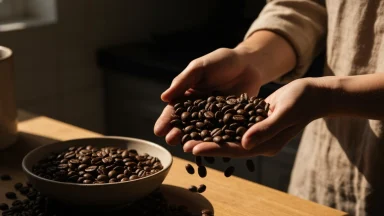
Many coffee drinkers instinctively reach for the darkest, oiliest beans, assuming they pack the biggest punch. This is one of the most common culinary myths we encounter. Surprisingly, when it comes to caffeine, the opposite is often true. The color of a coffee bean tells a story about its flavor, not necessarily its strength.
Think of the roasting process like toasting a piece of bread. The longer it’s exposed to heat, the more its internal structure breaks down and expands. While caffeine is a very stable compound, a small amount does get diminished during a prolonged, high-heat roast. Because light roast beans are denser, they retain slightly more of their original caffeine content by weight.
It’s a game of mass, not color.
The biggest difference, lies in the flavor profile. “A light roast is all about preserving the bean’s origin—its unique floral, fruity, or acidic notes,” explains coffee consultant Brianna Chen. “A dark roast caramelizes the sugars and brings out deep, smoky flavors from the roasting process itself.” This focus on origin is central to many current coffee trends in U.S. morning routines, moving away from a one-size-fits-all approach.
So, what should you choose when crafting your ideal morning? The decision really comes down to taste preference. Choosing a roast is less about the energy boost and more about the specific flavor experience you’re looking for to start your day.
A light roast is all about preserving the bean’s origin—its unique floral, fruity, or acidic notes. A dark roast caramelizes the sugars and brings out deep, smoky flavors from the roasting process itself.
— Brianna Chen, Coffee Consultant
| Common Coffee Myth | Surprising Truth |
|---|---|
| Dark roast coffee has more caffeine. | Light roast beans are denser and often contain slightly more caffeine by weight. |
| Coffee gives you an instant energy boost. | Caffeine blocks adenosine, the neurotransmitter that makes you feel tired, creating the illusion of energy. |
| Drinking coffee leads to dehydration. | The water in a standard cup of coffee more than offsets the mild diuretic effect of caffeine. |
| You should use boiling water for brewing. | Boiling water (212°F) scalds the grounds; the ideal temperature is between 195-205°F. |
| Store coffee beans in the freezer for freshness. | The freezer creates moisture and absorbs odors. An airtight container in a dark pantry is best. |
Beyond the Beans: Unpacking Health Claims and Concerns
For every headline celebrating coffee as a health elixir, another seems to pop up warning of its dangers. The conversation around your morning cup is often a confusing mix of scientific jargon and old wives’ tales. Sorting through this information can feel like trying to solve a puzzle with missing pieces. But when you look at the body of research, a clearer picture emerges.
The truth is surprisingly optimistic. Many long-held fears about coffee are being overturned by modern science, revealing a beverage that offers more than just a morning jolt. It’s time to separate the facts from the fiction.
The Antioxidant Powerhouse: More Than Just a Drink
One of the most significant—and often overlooked—benefits of coffee lies in its high concentration of antioxidants. A study from the University of Scranton famously revealed that coffee is the number one source of antioxidants in the American diet. This isn’t because it has more than, say, blueberries gram-for-gram, but because people tend to consume so much of it daily. It’s a consistent part of many sustainable morning rituals.
These compounds are necessary for fighting oxidative stress in the body, which is linked to chronic diseases and aging. Think of them as your body’s internal maintenance crew, cleaning up cellular damage before it causes bigger problems.
Polyphenols and Your Well-being
The specific antioxidants getting all the attention are called polyphenols. Coffee is particularly rich in a type called chlorogenic acids. These powerful compounds are believed to play a role in reducing inflammation and improving how the body processes sugar. The underrated factor here is how these micronutrients work together. Their collective effect is like a well-organized team, where each member enhances the others’ abilities to protect your cells.
Myth of the ‘Coffee Stomach’
The complaint that coffee is “too acidic” and causes stomach problems is a common one. While it’s true that coffee contains acids that can irritate a sensitive stomach or worsen conditions like acid reflux for some individuals, the idea that it causes ulcers is a myth. Research published in the journal Gastroenterology found no significant link between coffee consumption and the development of ulcers in the general population. For most people, the stomach is a remarkably resilient organ.
What most people miss is that the brew method and roast level can change the acidity. Cold brew, for instance, has been shown to be up to 67% less acidic than hot-brewed coffee. This is just one of many coffee ideas that get twisted over time, a common theme in the world of separating culinary fact from fiction.
Debunking the Heart Scare
Perhaps the most persistent myth is that coffee is bad for your heart. This concern dates back to older studies that didn’t properly account for other lifestyle factors, like smoking and a sedentary lifestyle, which were often paired with heavy coffee drinking. But how does that claim hold up today? Newer, more detailed research paints a very different story.
A landmark analysis from the American Heart Association, covering over half a million participants, found that moderate coffee consumption was associated with a lower long-term risk of heart failure. The data suggests—though not conclusively—that each daily cup, up to a point, correlated with a 5-12% reduced risk compared to non-drinkers.
Moderation is Key: What the Research Says
All of these benefits come with a very important asterisk: moderation. The U.S. Food and Drug Administration (FDA) suggests a limit of around 400 milligrams of caffeine per day for most healthy adults. That translates to roughly three to five 8-ounce cups of home-brewed coffee — a far cry from the bottomless diner mug, of course.
This amount appears to be the sweet spot for reaping the benefits without tipping into negative side effects like anxiety or disrupted sleep. Exceeding this regularly is where the health equation starts to change. Understanding your personal limit is a key part of integrating coffee into a healthy lifestyle, much like understanding any other aspect of today’s coffee trends in US morning routines.
Ultimately, your daily brew isn’t a villain or a magical cure-all. It’s a complex beverage whose effects depend on your body, your habits, and how much you choose to enjoy.

Brewing Brilliance: Separating Fact from Fiction in Your Cup
After figuring out coffee’s role in our health, the next logical step is mastering the brew itself. Many of us operate on autopilot during our morning routine, following coffee-making steps we learned years ago without a second thought. But what if those ingrained habits are actually sabotaging your cup? The truth is, many common practices are based on widely-held myths that do more harm than good to the final flavor.
These techniques are just one part of the wider story of coffee trends in US morning routines, where precision is becoming just as important as convenience. It’s a simple shift in thinking. You wouldn’t cook a gourmet meal with the wrong instructions, so why treat your daily coffee any differently?
The ‘Boiling Water’ Folly
One of the most persistent myths is that you should use boiling water to brew coffee. This idea seems to make sense—hotter is better, right? Not exactly. Using water at a full boil (212°F or 100°C) actually scalds the coffee grounds, extracting bitter and harsh compounds. This is a common pitfall that many people fall into, similar to other widely accepted but incorrect ideas you might find when separating culinary fact from fiction.
So what’s the ideal temperature? According to the Specialty Coffee Association, the sweet spot for brewing is between 195°F and 205°F (90°C to 96°C). This range is hot enough to properly extract the desirable flavor oils and aromatics without burning the delicate grounds. Letting your kettle sit for about 30-60 seconds after it boils is usually enough to bring it down to the perfect temperature. It’s a tiny change that makes a huge difference.
Optimal Storage: Freezer or Pantry?
The great storage debate often ends with someone recommending the freezer. While well-intentioned, this is surprisingly poor advice. Coffee beans are porous and absorb odors, moisture, and flavors from their surroundings. Every time you take the beans out of the freezer, condensation forms on them as they warm up — and moisture is the enemy of fresh coffee, degrading the precious oils that give coffee its amazing flavor.
The underrated factor here is consistency. Your pantry is the real hero. For maximum freshness, follow these simple storage rules:
- Keep it Airtight: Store your beans in an opaque, airtight container. Oxygen is a primary cause of staleness.
- Keep it Cool & Dark: A cabinet or pantry away from the oven or direct sunlight is ideal. Heat and light break down the beans’ oils.
- Buy Whole Bean: Pre-ground coffee loses its freshness much faster. Grinding just before you brew is a key part of crafting your dawn ritual that preserves flavor.
- Buy in Small Batches: Try to buy only what you’ll use within one to two weeks for the best possible taste experience.
Treating your coffee beans with a little care ensures the flavor you paid for actually makes it into your mug.
The Global Grind: Cultural Curiosities and Coffee Etiquette
Beyond the perfect pour, coffee’s journey is steeped in rich social traditions that vary wildly across the globe. Many popular beliefs about coffee history are surprisingly off-base, a classic case of separating culinary fact from fiction. For instance, while Italy is synonymous with espresso, the romanticized image of a lone barista inventing it in a flash of inspiration isn’t quite accurate. The truth is much more collaborative and evolved over decades.
In Ethiopia, widely considered coffee’s birthplace, the preparation is a revered ceremony that can last for hours. It involves roasting green beans, grinding them by hand, and brewing the coffee three separate times in a special clay pot called a jebena. This is a far cry from the quick morning stop that defines many current coffee trends in US morning routines.
This difference is profound. The Ethiopian ceremony isn’t just about a caffeine boost; it’s a spiritual and communal event that binds family and neighbors. According to research from the Addis Ababa University Department of Sociology, participation in these ceremonies is a key indicator of community integration. But does a slower, more deliberate approach to coffee mean it’s somehow better? Not necessarily—it just serves a different purpose.
It’s like comparing a quick weeknight stir-fry to a slow-cooked weekend roast; both are valid forms of cooking, just with different goals. Understanding these global rituals helps us appreciate that coffee is more than a beverage. It is a vehicle for connection, a reason to pause, and a way to craft a meaningful start to the day, no matter where you are in the world.
Your Perfect Cup: Customizing Coffee to Your Lifestyle
Armed with the truth behind common coffee myths, you can finally stop following generic advice and start tailoring your coffee habit to your own body and schedule. The goal isn’t just to consume caffeine; it’s to create a ritual that genuinely benefits and pleases you. This is where we can separate culinary fact from fiction and personalize our intake.
Think of it less like following a rigid recipe and more like adjusting the driver’s seat in a car. Small tweaks can make a huge difference in comfort and performance. It’s all about finding what works for you.
Finding Your Ideal Caffeine Balance
Not everyone processes caffeine the same way. According to Dr. Lena Petrov, a nutritionist at Johns Hopkins, genetic differences mean one person’s perfect morning jolt could be another’s anxiety trigger. While the FDA suggests up to 400 milligrams of caffeine daily is safe for most adults, that number doesn’t tell the whole story. So how do you find your sweet spot?
Understanding the caffeine content in your brew is the first step. A standard 8-ounce cup of drip coffee contains about 95 milligrams of caffeine, while a single espresso shot has closer to 64 milligrams in a much smaller volume. Decaf is another option for the flavor without the buzz, but it’s not entirely caffeine-free—it typically contains 2-7 milligrams per cup. For those who need a gentle start, a half-caff blend might be perfect, while someone on a tight schedule might prefer the quick efficiency of an espresso.
Flavor Profiles: Exploring Beyond the Basic Brew
Caffeine is only one part of the equation. What most people miss is how much control they have over the final taste of their coffee. Moving beyond pre-ground coffee from a can is the single biggest step toward a better cup. Experimenting with beans from different regions—like the fruity notes of an Ethiopian Yirgacheffe versus the chocolatey depth of a Guatemalan Antigua—is a simple pleasure.
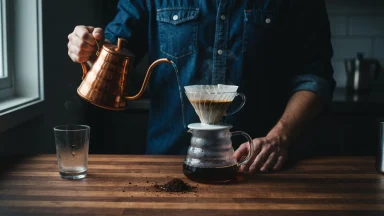
Your brewing method also plays a huge role. A French press immerses the grounds in water, resulting in a full-bodied and reliable flavor. A pour-over, by contrast, allows for more precision and often highlights the brighter, more delicate notes of the bean. This daily decision is a chance to practice a little culinary alchemy right in your own kitchen, deeply connected to today’s coffee trends that favor personalization.
Ultimately, treating your coffee making as an intentional practice transforms it from a mindless habit into a rewarding experience. This small shift can be a key part of crafting your ideal morning ritual. Instead of brewing on autopilot tomorrow, try paying attention to one new detail, whether it’s the water temperature or the aroma of the beans, and see what you discover.
Your Next Cup, Reimagined
The journey through coffee’s biggest myths reveals a simple but powerful truth: our daily brew is far more nuanced than we give it credit for. It’s not a simple on/off switch for wakefulness, nor is it the health villain it was once painted to be. With each myth busted, the picture of a complex, versatile beverage comes into sharper focus. So, what does this mean for your next cup? Perhaps the real challenge isn’t just to absorb these facts, but to consciously apply them. Instead of mindlessly going through the motions tomorrow morning, treat it as a small experiment. Adjust the water temperature, try a lighter roast, or simply pay closer attention to how your body actually feels an hour later. Your daily coffee doesn’t have to be a mere habit; it can be an ongoing exploration.
Frequently Asked Questions About Coffee
Does coffee really sober you up?
No, this is a dangerous myth. While caffeine is a stimulant that can make you feel more alert, it does not reduce your blood alcohol concentration or improve judgment. It simply masks the sedative effects of alcohol, which can lead to a false sense of security.
Is decaf coffee completely caffeine-free?
Decaffeinated coffee is not entirely free of caffeine. The decaffeination process removes about 97% of the caffeine, but a typical cup of decaf still contains a small amount, usually ranging from 2 to 15 milligrams. It’s a significant reduction but not a complete elimination.
Does adding milk or sugar negate coffee’s health benefits?
It doesn’t negate them, but it can complicate the health equation. The core antioxidant benefits of coffee remain, but loading your cup with large amounts of sugar and saturated fat can introduce empty calories and work against your health goals. Moderation is key to enjoying both the taste and the benefits.
Is instant coffee as ‘good’ for you as brewed coffee?
While brewed coffee generally contains a higher concentration of antioxidants and caffeine, instant coffee is not without its merits. It still provides a significant amount of beneficial polyphenols and is a perfectly valid way to get some of coffee’s health advantages, especially when convenience is a factor.
Can coffee help you lose weight?
Coffee can play a minor, supportive role in weight management. Caffeine has been shown to slightly boost metabolic rate and act as an appetite suppressant for some people. it is not a magic bullet for weight loss and its effects are modest at best.