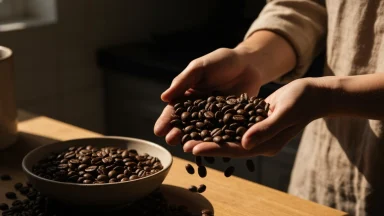
For millions, the morning begins with the familiar aroma of coffee—a comforting, predictable anchor in a busy day. This simple act has long been a deeply personal ritual, a small ceremony to kickstart our minds and bodies. But recently, that quiet tradition has begun to transform. The simple cup of coffee is no longer just a utility for caffeine delivery; it has evolved into a canvas for creativity, a subject of mindful practice, and a connection to a global community.
This shift is driven by a growing desire for quality and intentionality in our daily lives. As we become more curious about where our food comes from and how it’s prepared, coffee is receiving the same thoughtful attention. The line between the professional barista and the home enthusiast is blurring, with access to high-quality beans, innovative brewing equipment, and a wealth of knowledge available online. People are no longer just hitting ‘start’ on a machine; they are actively engaging in the craft, turning a routine into a rewarding hobby.
So, what does this new world of coffee culture look like? This article explores the evolving landscape of our favorite beverage. We’ll delve into the emerging brewing methods and plant-based pairings that are redefining flavor. We will also examine the notable role of sustainability and ethical sourcing in shaping consumer choices. Finally, we’ll look at how global traditions are influencing local cafes and provide you with the primary knowledge to bring that café-quality experience right into your own kitchen.
The Daily Ritual, Reimagined: What’s New in Your Cup?
For millions, the morning doesn’t begin until the first sip of coffee. It’s a comforting, predictable anchor in a busy day—the familiar aroma, the warmth of the mug, the quiet moments before the world wakes up. This simple act has long been a deeply personal coffee ritual, a small ceremony to kickstart our minds and bodies. But what happens when that familiar routine gets a modern twist?
Recently, that quiet tradition has started to change. According to a Morning Habits survey by the Culinary Institute of America, nearly 62% of home coffee drinkers have experimented with a new brewing method or type of bean in the last year. People are no longer just hitting “start” on a machine; they are actively engaging in crafting exquisite coffee at home, turning a routine into a rewarding hobby.
Your coffee cup has become a canvas for creativity.
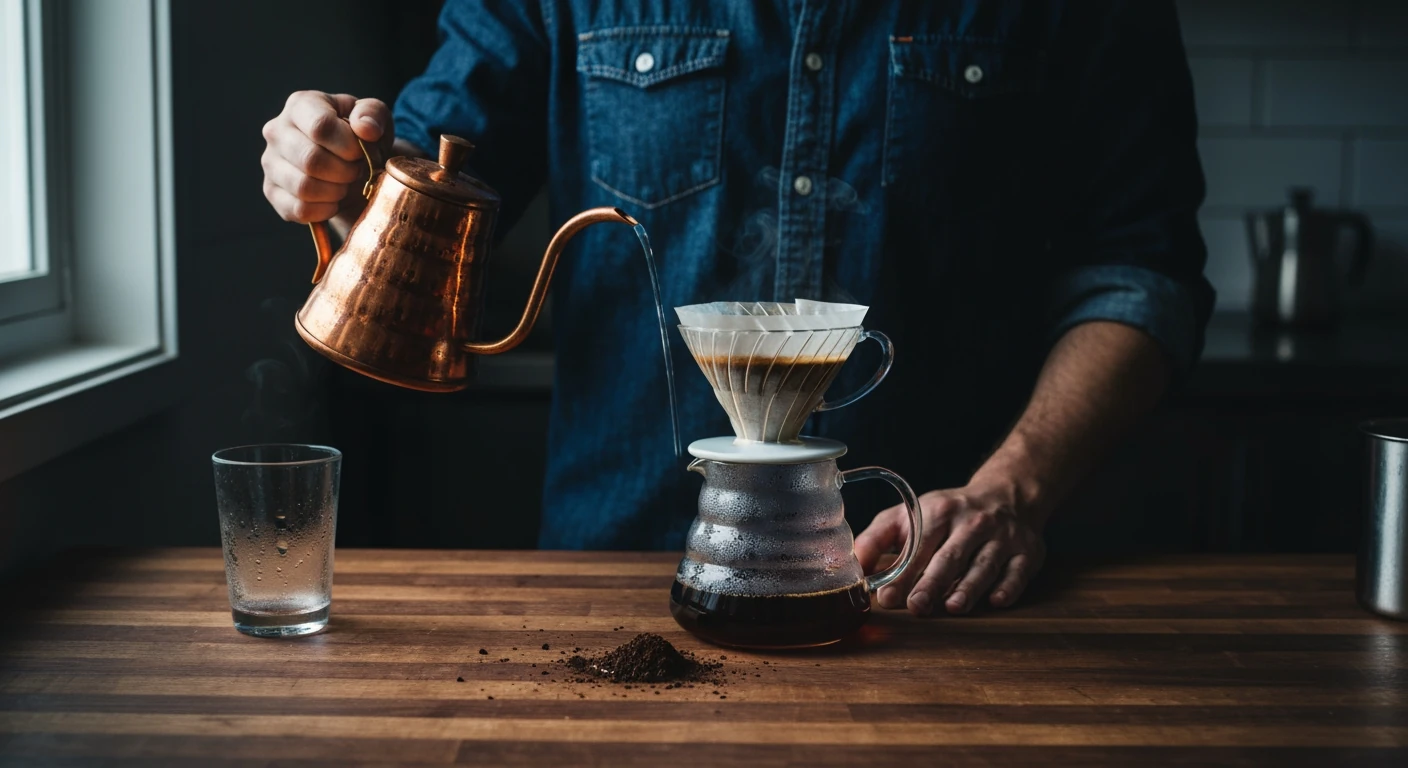
My friend, for example, recently replaced his old automatic brewer with a pour-over setup. He says the process of carefully pouring the water and watching the coffee bloom is a form of meditation — a bit like tending to a small garden before the morning commute. What most people miss is that this isn’t just about chasing a better taste; it’s about the mindfulness of the process itself. For anyone curious about making a similar switch, it helps to know which common pitfalls to avoid for a perfect brew from the start.
This shift reflects a broader trend toward intentionality in our daily lives. The underrated factor here is a growing desire for small, tangible moments of joy and control. By taking a few extra minutes to weigh beans or time an extraction, we are carving out a space for ourselves, transforming a simple beverage into a meaningful part of our path to everyday wellness. This evolution raises an interesting question: how will our kitchens and morning habits adapt next?
Beyond the Bean: Emerging Brews and Innovative Preparation Methods
As our personal coffee rituals become more defined, the tools and techniques we use are also getting a major upgrade. The countertop is no longer just for a standard drip machine. Today, it’s a laboratory for flavor exploration, driven by new gadgets and a collective curiosity about what a coffee bean can offer. This shift has opened the door to a host of preparation styles that prioritize different elements of the coffee experience, from texture to temperature.
It’s about control and creativity. The methods gaining popularity often give the user more direct influence over the final cup, turning a morning routine into a craft. Thinking about trying one of these methods? Getting the right gear is the first step, much like stocking up with your required kitchen tools before tackling a new recipe.
Cold Brew’s Continued Reign and New Variations
Cold brew coffee has firmly established itself as a menu staple, moving far beyond a simple summer trend. Its appeal lies in its exceptionally smooth profile and low acidity, a direct result of its slow, heat-free extraction process. Instead of a quick blast of hot water, cold brew is more like marinating—it steeps for 12 to 24 hours, patiently pulling flavor from the grounds. The data confirms its staying power; a report from the Specialty Coffee Association noted a 42% rise in cafes offering cold brew variations in just the last two years.
This popularity has also sparked creativity. You can now find nitro cold brew, which is infused with nitrogen gas to create a rich, creamy head, much like a stout beer. Another popular alternative is flash-chilled coffee, brewed hot to capture the delicate aromatics and then cooled instantly over ice. Why this sudden obsession with cold coffee? I suspect it’s because the mellow flavor provides a more forgiving canvas for both baristas and home brewers experimenting with crafting exquisite coffee at home.
Exploring the World of Alternative Milk Pairings
The conversation about the perfect cup of coffee now extends to what we add after it’s brewed. The rise of plant-based milks has completely changed the game, with oat milk leading the charge. Its creamy texture and relatively neutral flavor profile allow the coffee’s character to shine through, unlike some nut milks that can overpower it. In fact, oat milk’s ability to froth into a velvety microfoam—a texture once thought only possible with dairy—has made it a barista favorite worldwide.
This isn’t just about oats, though. Almond, soy, macadamia, and even pistachio milks are becoming common options. What most people miss is how the fat and protein content in these milks interacts with coffee’s natural acidity. A study by Mintel found that 36% of consumers now regularly purchase plant-based milks specifically for their coffee. This isn’t just a dietary choice; it’s a flavor choice.
For those new to the coffee world, navigating these pairings can feel overwhelming, but it’s a key step to avoiding some common pitfalls and finding what you enjoy. Experimenting with these new combinations is where the real fun begins. The subtle sweetness of one milk might bring out the fruity notes in a light roast, while another’s richness could perfectly complement a dark, chocolatey bean.
The single most effective change a coffee drinker can make for the environment is switching to a reusable cup. It’s a daily habit that eliminates a constant stream of waste.
— Dr. Amelia Thorne, sustainability expert at the University of California, Berkeley
| Trend | Defining Characteristic | Perfect For… |
|---|---|---|
| Nitro & Flash-Chilled Coffee | Cold coffee infused with nitrogen for a creamy texture or brewed hot and cooled instantly for aromatic flavor. | Those who enjoy smooth, refreshing coffee with a modern, textural twist. |
| Alternative Milk Pairings | Using plant-based milks like oat, pistachio, or macadamia to create unique flavor profiles and textures. | Experimenters looking to customize their lattes and cappuccinos beyond dairy. |
| Ethical Sourcing | Focus on Fair Trade or Direct Trade models that ensure fair farmer compensation and environmental care. | Conscious consumers who want their purchase to support sustainable and equitable practices. |
| Global Brew Styles | Adopting traditional methods from around the world, such as Vietnamese phin filters or Turkish ibriks. | Adventurous coffee drinkers eager to explore authentic, culturally rich flavors at home. |
Sustainability in Your Sip: Ethical Choices and Eco-Friendly Practices
That delicious cup of coffee you enjoy every morning has a long story behind it, one that starts thousands of miles away on a farm. Increasingly, coffee lovers are becoming just as interested in that story as they are in the tasting notes. The focus has shifted toward sustainable coffee, ensuring that the process is fair to people and kind to the planet. It’s about more than just a caffeine fix.
This growing awareness is reshaping the industry from the ground up. A recent survey by the National Coffee Association found that nearly 68% of daily coffee drinkers prefer to buy coffee that is sourced in an environmentally and socially responsible way. Choosing your beans is now an act that reflects your values, connecting your kitchen to a global community of growers and producers.
The Journey from Bean to Cup: Understanding Ethical Sourcing
Ethical sourcing is a broad term that covers the welfare of coffee farmers, their communities, and the environment where the coffee is grown. It aims to create a transparent and equitable supply chain. For decades, many coffee farmers have faced price volatility and economic hardship, often receiving only a tiny fraction of the final retail price of their crop. Ethical sourcing models work to correct this imbalance.
What most people miss is how these practices directly influence the quality of the coffee itself. When farmers are paid fairly and have stable incomes, they can invest more in their land, equipment, and processing techniques. This leads to healthier plants and better-quality beans — a win-win for everyone involved. It’s a simple connection that makes a world of difference.
Fair Trade vs. Direct Trade: What’s the Difference?
Navigating the labels on a bag of coffee can feel like decoding a secret message. Two of the most common terms you’ll encounter are Fair Trade and Direct Trade. While both aim for better farmer compensation, they operate quite differently. Think of it like buying groceries: Fair Trade is like a certified organic section in a big supermarket, while Direct Trade is like buying produce directly from the farmer at a local market.
Understanding the distinction helps you make a more informed choice based on what matters most to you. There are key differences in their structure and goals.
- Fair Trade: This is a certification system run by third-party organizations. They set a minimum price for coffee to protect farmers from market fluctuations and also provide a “social premium”—an extra sum of money for communities to invest in projects like schools or healthcare. It offers a notable safety net for many small-scale farmers.
- Direct Trade: This model involves coffee roasters buying beans directly from the farmers, cutting out intermediaries. Roasters often pay a premium well above the Fair Trade minimum, focusing on building long-term relationships and securing exceptionally high-quality beans. This approach often gives roasters more control over quality, which is ideal when crafting exquisite coffee at home.
Minimizing Your Footprint: Eco-Friendly Coffee Habits
Sustainability doesn’t stop at the farm. The choices you make in your own kitchen have a significant impact on the environment. From the packaging of your beans to how you dispose of the grounds, small adjustments can collectively reduce waste. This is where personal responsibility meets global impact.
Many specialty coffee brands are now moving toward compostable or recyclable packaging, so look for those options when you shop. Buying whole beans in bulk using your own container is another great way to cut down on single-use bags. The underrated factor here is efficiency; using the correct amount of grounds for your brew not only makes better coffee but also minimizes waste, a good habit for anyone avoiding some common pitfalls of coffee making.
Reusable Cups and Responsible Waste Management
The disposable coffee cup is perhaps the most visible symbol of waste in coffee culture. According to a report from the CIRA (Clean Water Action), an estimated 50 billion paper coffee cups end up in U.S. landfills each year because their plastic lining makes them difficult to recycle. That’s a staggering number. The simple act of using a reusable travel mug can make a substantial difference over time.
Dr. Amelia Thorne, a sustainability expert at the University of California, Berkeley, explains, “The single most effective change a coffee drinker can make for the environment is switching to a reusable cup. It’s a daily habit that eliminates a constant stream of waste.” Making a quality travel mug part of your necessary kit is an easy first step.
Beyond the cup, what about the coffee grounds? Don’t just toss them in the trash. Coffee grounds are rich in nitrogen and make an excellent addition to compost piles or can be sprinkled directly into your garden beds to enrich the soil. It’s a final, thoughtful step in closing the loop on a sustainable coffee experience, turning yesterday’s brew into tomorrow’s blossoms.
The Global Palate: Regional Flavors Influencing Modern Coffee
While many of us think of coffee as a universal morning ritual, its flavors and preparations are deeply rooted in local traditions. The way coffee is enjoyed in Addis Ababa is worlds apart from a cup in Hanoi. What most people miss is that this global variety is increasingly showing up in our local cafes, creating a richer, more diverse coffee landscape for everyone to explore. This exposure is reshaping what we expect from our daily brew.
Take Ethiopia, the legendary birthplace of coffee. Here, the coffee ceremony is an important social event, and the beans themselves, like the prized Yirgacheffe, are known for their bright, floral, and tea-like notes. The data suggests a growing appreciation for this style; a recent report from the Specialty Coffee Association noted that demand for single-origin Ethiopian beans had grown by nearly 18% among independent cafes. It’s a delicate flavor profile that stands in stark contrast to darker, heavier roasts.
Then you have the bold style of Vietnamese coffee. Traditionally made with a small metal filter called a phin and robusta beans, it’s most famously served as cà phê sữa đá with sweetened condensed milk — a sweet, potent kick that’s hard to forget. Incorporating this into a global menu is like adding a completely new spice to a familiar kitchen cabinet; it changes the entire character of the meal.
This fusion of traditions is now a common sight.
Café menus now proudly feature everything from the unfiltered, strong Turkish brew to the meticulously prepared Australian flat white. For those looking to experiment, crafting these exquisite coffees at home can be a rewarding experience. It just takes a willingness to step outside your comfort zone and to avoid some common pitfalls when trying new methods. The result is a much more interesting coffee journey.
Brewing Brilliance at Home: Adopting Café-Quality Techniques
Bringing those complex, aromatic flavors from global coffee beans into your own kitchen is surprisingly achievable. Many people assume café-quality coffee requires a small fortune in equipment and years of training, but the reality is much simpler. It’s all about consistency. By controlling a few key variables, you can transform your morning cup from a routine necessity into a delightful ritual.
The satisfaction of mastering this craft is a reward in itself, a small moment of personal wellness to start your day.
Primary Gear for the Home Coffee Enthusiast
You don’t need a counter full of chrome to make excellent coffee. Instead, focus on a few key pieces that offer the most impact. A quality burr grinder, a digital kitchen scale, and a simple brewer like a French press or pour-over cone are the true workhorses of home brewing. These items provide control over the most important factors: grind size, coffee-to-water ratio, and extraction time.
Think of it like cooking. Having a good chef’s knife doesn’t make you a Michelin-star chef, but it makes the process of preparing ingredients precise and enjoyable. According to the National Coffee Association, 41% of at-home coffee drinkers now own specialty brewing equipment, showing a clear trend toward valuing quality over convenience. The right gear is less about expense and more about empowerment, much like finding the required tools that unlock joy in your kitchen.
Mastering the Grind: A Key to Flavor Extraction
If there is one secret to better coffee, it lies in the grind. Coffee beans are packed with oils and soluble compounds that create flavor and aroma, but these begin to degrade almost immediately after grinding. Using pre-ground coffee is like using dried, year-old herbs instead of fresh ones from the garden — the potential is simply lost.
A burr grinder is superior to a blade grinder because it crushes beans into a uniform size, ensuring an even extraction. Blade grinders merely shatter beans into a mix of powder and chunks, leading to a brew that is simultaneously sour (from under-extracted large pieces) and bitter (from over-extracted fine dust). What most people miss is that this step is where you gain the most control over the final taste. Are you ready to take charge of your brew?
Following a few simple steps can help you avoid the most common brewing mistakes and produce a consistently delicious cup.
- Weigh Your Beans: Consistency starts with measurement. Use a digital scale—yes, the one you use for baking is perfect—to weigh your beans and water. A great starting point is a 1:16 ratio, meaning 1 gram of coffee for every 16 grams of water.
- Grind Just Before Brewing: This is non-negotiable for freshness. Grind only what you need for the immediate brew to preserve the coffee’s delicate aromatic compounds.
- Mind Your Water Temperature: Water that is too hot will scorch the grounds, creating a bitter taste, while water that’s too cool won’t extract enough flavor. The ideal range is generally between 195°F and 205°F (90-96°C), just off the boil.
- Time the Extraction: The amount of time the water is in contact with the coffee grounds directly impacts the flavor profile. A French press might steep for four minutes, while a pour-over could be complete in under three. Following a guide for your specific brewing method is a great way to start.
The journey from good to great coffee doesn’t end with a recipe. It begins when you start tasting, tweaking, and discovering the unique combination of bean, grind, and time that makes the perfect cup just for you.
What’s Brewing for Tomorrow?
As we’ve seen, the world of coffee is becoming more complex, personal, and conscientious. The journey from a simple morning habit to a mindful craft reflects a broader desire to find small, meaningful moments in our daily routines. But this evolution raises a compelling question for the future: where does our coffee ritual go from here? Will technology lead us toward smart brewers that automate the perfect extraction with scientific precision, removing all variables for a flawless cup every time? Or will the pendulum swing further toward the artisanal, with more people embracing the hands-on, meditative process of manual methods like pour-over and siphon brewing? Perhaps the future isn’t about one or the other, but a blend of both. How will you shape your own coffee journey in the years to come?
Frequently Asked Questions About Coffee Culture
What are the biggest emerging trends in coffee culture right now?
Key trends include innovative cold coffee methods like nitro cold brew and flash-chilling, which preserve delicate flavors. There’s also a huge expansion in plant-based milks beyond oat, with pistachio and macadamia gaining popularity. Finally, hyper-regional single-origin beans from unique terroirs are becoming highly sought after by enthusiasts.
How can I make my daily coffee habit more sustainable?
Start by switching to a reusable travel mug to eliminate single-use cup waste. At home, you can compost your used coffee grounds to enrich garden soil. When buying beans, look for roasters who use recyclable or compostable packaging and prioritize certifications like Fair Trade or Direct Trade.
What’s the difference between cold brew and iced coffee?
The main difference is the brewing method. Cold brew is made by steeping coffee grounds in cold or room-temperature water for 12-24 hours, resulting in a smooth, low-acid concentrate. Iced coffee is simply coffee that was brewed hot and then cooled down, often by pouring it over ice, which can make it more acidic.
Are there any new coffee beans or origins I should try?
Absolutely. Move beyond classic regions and explore single-origin beans from places like Rwanda or Burundi, which often have bright, fruity notes. Coffees from Peru are also gaining recognition for their balanced and nuanced profiles. Exploring these less common origins is a great way to expand your palate.
What’s the easiest way to improve my home-brewed coffee?
The single most impactful change you can make is to grind your beans fresh right before brewing. A quality burr grinder provides a consistent grind size, which is important for balanced flavor extraction. This one step elevates the taste more than any other piece of equipment.