Have you ever followed a recipe to the letter, using the finest ingredients, only to end up with a dish that’s disappointingly bland, tough, or just… off? It’s a common frustration that can make home cooking feel like a gamble. This experience often leads aspiring cooks to believe they simply lack the natural talent for it, but the reality is far less mysterious. The difference between a memorable meal and a mediocre one rarely comes down to a single, dramatic error. Instead, it’s a series of small, overlooked habits that quietly sabotage your efforts before you even taste the final product.
Great cooking isn’t about magic; it’s about mastering the fundamentals. Professional chefs seem to work effortlessly because they have internalized the principles of preparation, temperature control, and seasoning. These aren’t complex secrets but rather a disciplined approach to the basics that prevents common home cooking mistakes from ever happening. From the simple act of reading a recipe thoroughly to understanding why a hot pan is non-negotiable, these foundational skills build a framework for consistent and delicious results. By identifying and correcting these frequent missteps, you can move from simply following instructions to understanding the craft.
This guide will illuminate the most common pitfalls that hold home cooks back. We’ll explore why proper preparation is your most powerful tool and dissect the critical blunders related to seasoning, temperature, and timing that can ruin a dish. we will look at how using the wrong equipment can work against you and why the precise science of baking demands a different approach than savory cooking. By the end, you’ll have a clear roadmap to not only avoid these errors but to build the confidence needed to create amazing meals every time.
The Foundation Fails: Overlooking Prep and Basics
Many exciting home-cooked meals have been tragically derailed before the first pan even gets hot. The culprit is often a simple, yet overlooked, failure in preparation. We get excited about the final dish but rush through the foundational steps, treating them like a chore rather than the most important part of the process. It’s like trying to paint a masterpiece on a canvas that’s still wet. The whole structure is compromised from the start.
Skipping proper prep doesn’t just add stress; it creates a domino effect of errors. This is where many common home cooking mistakes originate, leading to unevenly cooked food, forgotten ingredients, and a kitchen that looks like a disaster zone. The fix is surprisingly simple. A little discipline upfront pays huge dividends in flavor and sanity.
Why ‘Mise en Place’ is Your Kitchen Superpower
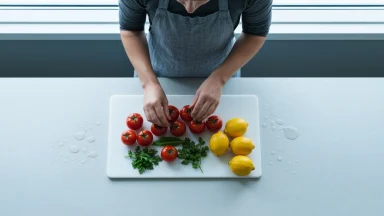
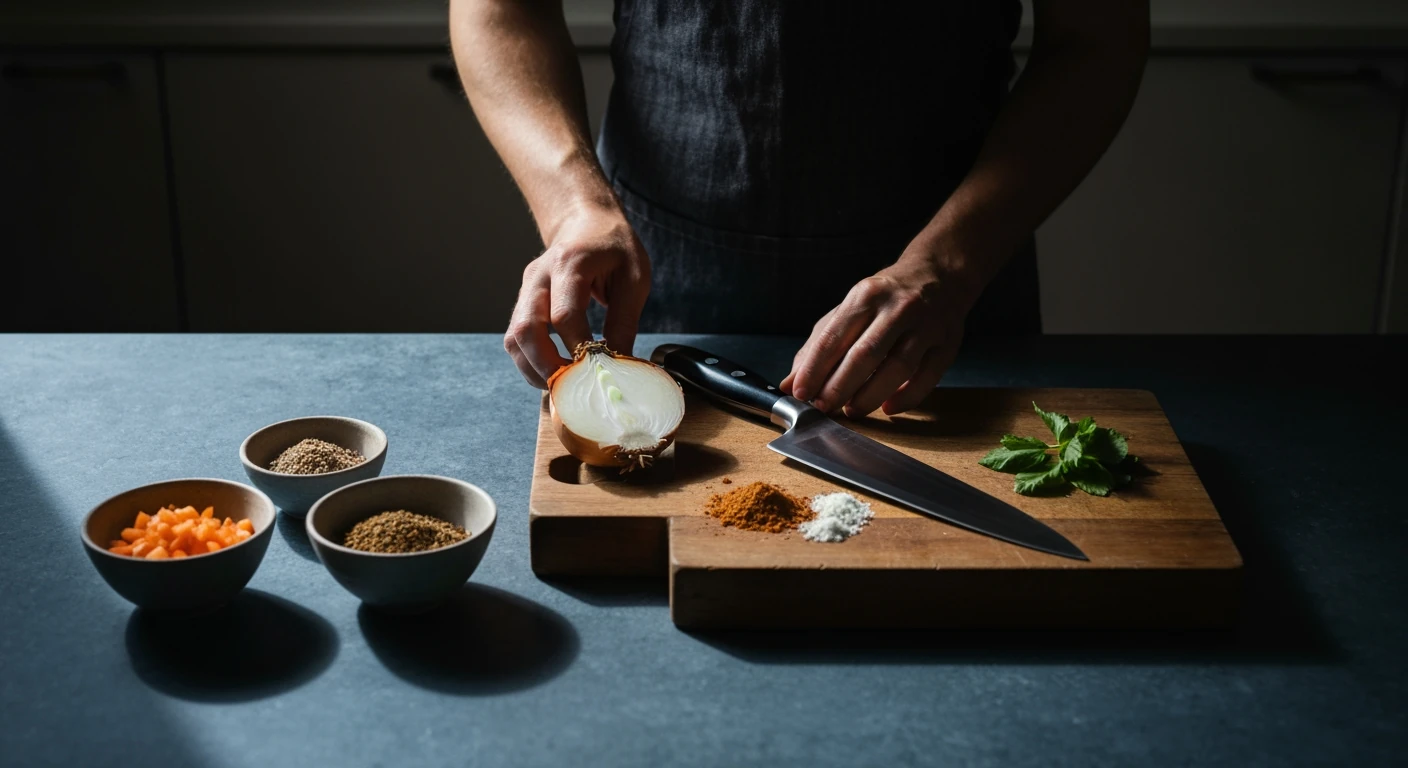
Professional chefs live by a French phrase: mise en place, which translates to “everything in its place.” This philosophy means measuring, chopping, and organizing every single ingredient before you begin cooking. It might seem tedious, but what most people miss is that it’s the secret to a calm and controlled cooking experience. No more frantically chopping an onion while the garlic you just threw in the pan starts to burn. Why wouldn’t you want to make cooking easier on yourself?
A survey from the Institute of Culinary Education found that cooks who consistently use mise en place are 40% more likely to stick to a recipe and report higher satisfaction with their final dish. It transforms cooking from a chaotic scramble into a smooth, deliberate assembly. Everything is ready when you need it. This simple habit is one of the first things taught in basic cooking courses for beginners because it builds a solid foundation for more complex techniques.
It’s your kitchen command center.
The Art of Reading a Recipe (Before You Start Cooking)
It sounds almost too obvious to mention, yet it’s a mistake nearly everyone makes: not reading the entire recipe from start to finish before doing anything else. You scan the ingredient list, feel confident, and jump right in. This is the culinary equivalent of building flat-pack furniture by only glancing at the pictures — a strategy that often ends in frustration and a wobbly bookcase.
A thorough read-through reveals notable details you might otherwise miss. Does the meat need to marinate for two hours? Do you need to let the dough rest overnight? You might discover halfway through that you need a food processor you don’t own. I once tried making a stir-fry that called for cornstarch at the end, only to realize my container was empty while everything else was sizzling away. That was a frantic pantry search I’d rather not repeat.
Here’s a quick checklist to make recipe-reading a habit:
- Read it Twice: The first time for an overview, the second for specific steps and timing.
- Check Your Tools: Make sure you have all the required pots, pans, and appliances.
- Note the Timing: Identify any steps that involve waiting, like chilling, marinating, or resting.
- Understand the Lingo: If a term like “emulsify” or “blanch” is unfamiliar, look it up. Understanding these techniques can help you separate culinary fact from fiction and improve your results.
Getting these basics right doesn’t just prevent errors; it builds confidence. With a solid foundation of preparation, you’re free to focus on the more creative aspects of cooking, instead of just putting out fires.
Flavor Killers: Seasoning, Temperature, and Timing Blunders
Beyond the prep stage, three key elements work together to make or break a dish: seasoning, temperature, and timing. Getting one wrong can easily sabotage the others, turning a potentially fantastic meal into a forgettable one. Many aspiring cooks focus heavily on the ingredients but overlook how these three factors interact. They are the invisible techniques that separate good cooks from great ones.
The Delicate Dance of Seasoning
I suspect that more meals are ruined by timid seasoning than by any other single factor. Under-seasoning leaves food tasting flat and one-dimensional, regardless of ingredient quality. It’s like listening to music with the bass turned all the way down; you miss the full experience. On the flip side, over-salting is a common pitfall, often happening when a cook seasons only at the very end. The key is to think of seasoning as a process, not a single step.
Building flavor is about more than just salt. Acidity from lemon juice or vinegar can brighten a heavy dish, while a touch of sugar can balance bitterness in tomato sauces. Fresh herbs, dried spices, and alliums like garlic and onion create aromatic depth. What most people miss is that different spices bloom at different stages of cooking. For instance, hardy herbs like rosemary and thyme benefit from being added early, while delicate herbs like parsley and cilantro should be stirred in just before serving to preserve their fresh flavor.
When to Salt: Layers of Flavor
The timing of your salting can completely change a dish’s final profile. Salting meat well in advance of cooking—a technique called dry-brining—allows the salt to penetrate deep into the muscle, seasoning it from the inside out and helping it retain moisture. For a steak, this could be anywhere from an hour to a full day before it hits the pan. For vegetables, salting can draw out water, which is useful for getting a crispier result on roasted potatoes or preventing a soggy zucchini dish.
Think of building flavor like painting a canvas. You add layers. When making a soup or stew, you should salt the onions as they sauté, salt the meat as it browns, and then adjust the seasoning of the final broth. Each addition seasons a specific component rather than just the dish as a whole. This creates a much more complex and satisfying taste. Many of the basic recipes for beginners hinge on this simple principle of layering flavor at every opportunity.
Heat Management: The Unsung Hero of Great Meals
Using the wrong cooking temperature is a guaranteed path to disappointment. A classic example is cooking chicken breast over scorching high heat. The outside will quickly burn and turn tough long before the inside is safely cooked through. Conversely, trying to sear a steak in a lukewarm pan will result in a grey, steamed piece of meat without that delicious brown crust. The Maillard reaction—the chemical process responsible for that “browned food” flavor—only occurs at temperatures above 300°F (150°C), according to research from the food science journal Serious Eats.
Preheating is not optional.
Allowing your pan, oven, or grill to reach the target temperature before adding food is necessary for proper cooking. A hot pan instantly sears the surface of food, locking in juices and creating texture. An oven that hasn’t preheated will bake things unevenly, often resulting in gummy, undercooked centers and overdone edges. It’s a simple step that requires patience but pays huge dividends in the final result.
Identifying Your Stove’s Hot Spots
Every stove and every pan has its quirks, including hot spots where heat is more concentrated. Have you ever noticed that pancakes in one part of the pan brown faster than others? That’s a hot spot. An easy way to map them is to lightly grease a cool pan, dust it evenly with a thin layer of flour, and place it over medium heat. The areas where the flour browns first are your hot spots, giving you a clear guide on where to place food for a hard sear and where to move it for gentler cooking.
Timing is Everything: From Sauté to Bake
Overcooking is perhaps the most common timing mistake. Steaming vegetables like broccoli or asparagus for just a minute too long transforms them from vibrant and crisp to mushy and dull. The line between a perfectly jammy egg yolk and a chalky, overcooked one is often less than 60 seconds. Using a timer is a cook’s best friend, but so is using your senses—sight, smell, and touch—to gauge doneness.
Another critical timing concept is carryover cooking. Food continues to cook from residual heat even after you remove it from the stove or oven. A steak pulled from the grill at a perfect medium-rare will climb to medium as it rests. A study by the Culinary Institute of America suggests that a large roast can increase its internal temperature by as much as 10-15°F during resting. Ignoring this phenomenon is why so many roasts and steaks end up overdone. This is one of those kitchen truths that can feel like a myth, but understanding the science behind it can improve your cooking, a topic similar to the culinary facts and fictions explored in separating culinary fact from fiction.
Here are a few common timing benchmarks:
- Boneless, Skinless Chicken Breast (1-inch thick): Pan-sear for 5-7 minutes per side over medium-high heat until the internal temperature reaches 165°F.
- Salmon Fillet (6 oz): Bake at 400°F for 12-15 minutes, or until it flakes easily with a fork.
- Broccoli Florets: Steam for 4-5 minutes for crisp-tender results. Any longer and you risk sogginess.
- Pasta (Dried): Always check the package instructions, but start testing for al dente texture about 2 minutes before the recommended time.
Mastering these elements requires practice, but paying closer attention to how you season, the heat you use, and how long you cook will dramatically improve the consistency and flavor of your home-cooked meals.
A dull blade requires nearly 48% more downward force, which dramatically increases the chance of it slipping and causing an injury. It crushes delicate herbs and mangles tomatoes instead of slicing them cleanly.
— Study by the Culinary Institute of America
| Common Mistake | The Simple Fix |
|---|---|
| Skipping ‘Mise en Place’ | Prep and measure all ingredients before turning on the heat. |
| Under-seasoning or Seasoning Late | Season in layers at different stages of the cooking process. |
| Incorrect Pan Temperature | Always preheat your pan, oven, or grill until it reaches the target temperature. |
| Using a Dull Knife | Keep your primary chef’s knife properly sharpened for safety and precision. |
| ‘Eyeballing’ Ingredients in Baking | Use a digital kitchen scale to measure baking ingredients by weight for accuracy. |
Tool Troubles: Using the Wrong Gear for the Job
Ever tried to chop an onion with a dull knife? It’s not just frustrating; it’s a classic example of setting yourself up for failure. A blunt knife is surprisingly more dangerous than a sharp one. A study by the Culinary Institute of America found that a dull blade requires nearly 48% more downward force, which dramatically increases the chance of it slipping and causing an injury. It crushes delicate herbs and mangles tomatoes instead of slicing them cleanly.
The same principle applies to your cookware.
Attempting to get a perfect sear on a steak using a thin, non-stick frying pan is an uphill battle. These pans are designed for lower-temperature cooking, like eggs or pancakes, and they don’t retain heat well. For that beautiful, crusty exterior, you need a heavy-bottomed pan, like cast iron or stainless steel, that holds a steady, high temperature. It’s one of those details that separates good results from great ones, much like understanding other culinary facts from fiction.
Even something as simple as measuring can go wrong. Did you know that liquid and dry measuring cups aren’t interchangeable? Using a glass measuring cup intended for liquids to measure flour can lead to packing in too much, sometimes throwing a recipe off by as much as 20%. This small error is often the reason behind dense, dry baked goods.
What most people miss is that you don’t need a kitchen full of expensive gadgets. A few reliable, quality basics will serve you better than a drawer overflowing with single-use tools — we all have that drawer, don’t we? Investing in a good knife and the right pan are some of the most practical first steps to delicious home cooking. Taking care of this core equipment is the real secret to making kitchen time less of a chore.
The Science of Baking: Precision vs. ‘Eyeballing’
While you can toss an extra clove of garlic into a sauce or a bit more spice into a stew, baking follows a much stricter set of rules. It is less of an art and more of a science, a form of edible chemistry where ingredients are reactants in a delicate formula. For free-wheeling cooks, this can be a difficult concept to embrace, but ignoring the need for precision is a guaranteed path to flat cookies and dense cakes.
This is a underlying departure from general cooking. The skills are different. Getting it right requires a new mindset.
Why Every Gram Matters in Baking
In baking, every ingredient has a specific job. Flour provides structure through gluten development, sugar adds sweetness and moisture, and leavening agents create the airiness we love in a good cake. The underrated factor here is how these components interact in precise ratios. According to a study from King Arthur Baking, the common method of scooping flour with a measuring cup can add up to 28% more flour than intended, which is more than enough to ruin a delicate recipe.
Think of it like mixing paint for a house. If the recipe calls for one drop of black to a gallon of white for a specific shade of grey, adding three drops won’t make it “extra grey”—it will make it the wrong color entirely. For those just starting out, understanding these foundational steps to delicious home cooking is key to building confidence.
This doesn’t mean you must abandon all intuition, but you need to know where it applies. So, when is it okay to estimate?
- When ‘Eyeballing’ is OK: Forgiving items like a fruit crumble topping, bread pudding, or adding mix-ins like chocolate chips or nuts can often handle some estimation. These elements typically don’t affect the core chemical reaction.
- When Precision is Non-Negotiable: Pastries, breads, macarons, and layered cakes depend on exact formulas for their structure and texture. A digital kitchen scale, which measures by weight (grams or ounces), is far more accurate than volume (cups) and is a baker’s best friend. Separating baking fact from popular fiction often starts with using the right tools for measurement.
Oven Etiquette: Maintaining Consistent Heat
Even with perfectly measured ingredients, your efforts can be undone by an unruly oven. Consistent and accurate heat is the invisible ingredient that activates leaveners and sets the structure of your bake. A common mistake is not preheating for long enough. An oven might beep when it hits the target temperature, but its walls, floor, and ceiling haven’t absorbed enough heat to maintain it—a process that can take a full 20 minutes.
Then there is the irresistible urge to peek. Opening the oven door for just 30 seconds can cause the oven temperature to plummet by as much as 50°F, as confirmed by tests from Cook’s Illustrated. This shock of cool air is often why cakes sink in the middle and soufflés collapse. It’s a hard habit to break, but your patience will be rewarded.
Ultimately, respecting the science of baking isn’t about limiting your creativity. It’s about learning the framework so you can confidently experiment within it, leading to consistently better and more delicious results.
Post-Cooking Pitfalls: Resting, Storing, and Reheating
The timer goes off, the aroma fills the kitchen, and your masterpiece is complete. But the work isn’t quite over. One of the most common home cooking mistakes happens right after the heat is turned off: cutting into meat immediately. Slicing a steak or roast chicken straight from the oven is like trying to open a shaken bottle of soda; all the good stuff just rushes out. Giving meat 5-10 minutes to rest allows the juices to redistribute throughout the cut, ensuring every bite is moist and flavorful.
What most people miss is how important proper cooling is before storage. You shouldn’t put a piping hot dish directly into the fridge—it can raise the internal temperature and put other foods at risk. leaving it on the counter for too long is also a problem. The USDA’s “two-hour rule” is a great guideline: get leftovers into the refrigerator within two hours to prevent harmful bacteria growth. There are many common beliefs about food, so it’s helpful to separate culinary fact from fiction to keep your food safe.
Smart storage is your best tool against food waste.
When it’s time for round two, reheating deserves just as much care as the initial cooking. While the microwave is fast, it often leaves food rubbery or unevenly heated. For things like pizza, fried chicken, or roasted vegetables, a few minutes in a hot oven or air fryer will restore their original crispy texture. Pasta and sauces, reheat beautifully on the stovetop with a small splash of water or broth to bring them back to life. Mastering leftovers is a key part of learning to prepare delicious home cooking from scratch.
From Mistakes to Mastery
Recognizing these common errors is the first step, but the true path to becoming a better cook isn’t about achieving flawless execution overnight. It’s about cultivating curiosity. Instead of viewing a burnt steak or a dense cake as a failure, what if you saw it as data? Each mistake is a lesson in disguise, teaching you about heat, timing, or the chemistry of ingredients. The next time you step into the kitchen, don’t try to fix everything at once. Pick one thing—perhaps it’s meticulously practicing ‘mise en place’ or finally buying a meat thermometer—and focus solely on improving that single skill. How might this deliberate, focused practice change not just your food, but your entire relationship with cooking?
Frequently Asked Questions
What are the most common mistakes beginner home cooks make?
The most frequent mistakes beginners make include not reading the entire recipe before starting, using the wrong temperature for their pan or oven, and under-seasoning their food. Another common error is overcrowding the pan, which steams food instead of searing it, preventing a delicious brown crust from forming.
How can I improve my cooking without a lot of specialized equipment?
Focus on technique over gadgets. Mastering heat control, learning proper knife skills with one good chef’s knife, and understanding how to season in layers will improve your cooking more than any single-use tool. A heavy-bottomed pan, like cast iron, is a versatile investment that can dramatically improve your results.
Is it really important to measure ingredients precisely for all recipes?
It depends on what you’re making. For most savory cooking like soups, stews, and stir-fries, you have flexibility to adjust quantities to taste. for baking, precision is critical. Baking is a science where the ratios of flour, fat, sugar, and leavening agents determine the final texture and structure, so precise measurements are non-negotiable.
What’s the best way to prevent food from sticking to the pan?
The three keys to preventing sticking are using the right pan, the right temperature, and the right amount of fat. Ensure your pan (especially stainless steel or cast iron) is fully preheated before adding oil. Once the oil is shimmering, add your food and resist the urge to move it immediately; this allows a crust to form, which will release naturally from the pan.
How do I know if my meat is properly cooked?
The most reliable and safest method is to use an instant-read meat thermometer. This removes all guesswork and ensures your meat is cooked to the desired temperature for both safety and quality. For more experienced cooks, the ‘touch test’ can be a useful guide, where the firmness of the meat is compared to the firmness of the fleshy part of your palm.