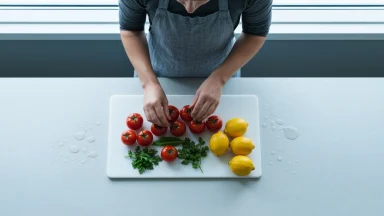
What will you be eating a year from now? The answer is being decided today in test kitchens, on social media, and in the data of our grocery purchases. The world of food is in constant motion, driven by a fascinating mix of cultural curiosity and technological advancement. These culinary whispers hint at a future where our palates are challenged by unexpected flavor fusions and our cooking habits are reshaped by new tools and a renewed connection to ancient traditions.
This evolution isn’t random; it’s a direct response to our changing lifestyles and values. On one hand, technology offers historic convenience, with smart ovens and AI-driven recipes promising perfect results with minimal effort. On the other, a powerful counter-movement is pulling us back to the tactile, sensory experiences of hands-on cooking, like baking sourdough or cooking over an open flame. This creates a compelling paradox in the modern kitchen: a space that is simultaneously becoming more automated and more artisanal.
This article deciphers the signals from culinary experts to give you a taste of what’s to come. We’ll explore the surprising flavor pairings taking center stage, from sweet-and-spicy desserts to savory ice creams. We will also examine the rise of hyper-regional global cuisines and how sustainability is moving from a niche concern to a primary driver of our food choices. Finally, we’ll look at how the very experience of dining—both at home and out—is being completely reimagined. Prepare to discover the future of your plate.
The Next Big Flavors: A Taste of Tomorrow’s Trends
Figuring out what we’ll be eating next is part science and part art. Culinary forecasting involves analyzing data from restaurants, social media, and grocery sales to spot emerging patterns long before they hit your local cafe. These expert predictions aren’t just guesses; they are educated insights into the cultural and sensory shifts that shape our appetites. The process is surprisingly similar to how meteorologists predict the weather, but instead of tracking storm fronts, these experts track flavor profiles.
What most people miss is that a new trend doesn’t just appear out of nowhere. It often starts as a whisper in high-end restaurants or a niche online community before gaining momentum. Think of it like a coffee bean before it’s ground; the potential is there, but it takes the right process to unlock its peak flavor for everyone to enjoy.
Unexpected Pairings Taking Center Stage
Prepare your palate for some delightful contradictions. One of the biggest movements is “swicy,” the fusion of sweet and spicy, which is evolving beyond familiar hot honey. Chefs are now experimenting with combinations like raspberry and chipotle or mango with habanero in everything from marinades to cocktails. The goal is to create a layered taste experience that keeps you coming back for another bite.
Another surprising development is the rise of savory desserts. According to a recent report from the International Food Technologists (IFT), menu items featuring ingredients like mushroom-infused chocolate or black pepper ice cream have seen a 38% increase in trial interest among diners. It’s all about challenging the traditional boundaries of a dish. Is a tomato technically a fruit? That debate now extends to the entire menu, blurring the lines in delicious ways.
Global Influences Redefining Local Menus
While global cuisine has always influenced American plates, the focus is shifting toward hyper-regional specificity. Instead of just “Mexican food,” people are seeking out dishes specific to Oaxaca or the Yucatán Peninsula. This allows for a deeper appreciation of a region’s unique ingredients and cooking methods — a key driver behind many of today’s most delicious culinary innovations.
Amelia Chen, a food anthropologist and author, explains that “diners are becoming more educated and adventurous, seeking authenticity and a story behind their food.” She points to the growing popularity of Filipino cuisine, particularly dishes like kinilaw (a citrus-cured fish) and ube-based pastries. These trends show how a single ingredient or dish can offer a gateway to an entire culture, transforming a simple meal into a journey. This shift suggests our home cooking might soon feature ingredients we’ve never even heard of before.
Home Kitchen Evolution: Gadgets and Techniques on the Rise
Your kitchen is getting a major upgrade, and it’s not just about new countertops. The spaces where we cook are becoming smarter and, surprisingly, more traditional at the same time. While technology introduces automation and precision, a powerful counter-movement is bringing ancient cooking methods back to the forefront. This shift changes not only the tools we use but the very rhythm of preparing a meal.
What we’re seeing is a fascinating tug-of-war between high-tech convenience and hands-on artistry. The data suggests this isn’t a niche phenomenon; a report from the Consumer Technology Association indicated that the smart kitchen appliance market is growing by over 19% annually. People want efficiency, but they also crave connection to their food. It’s a paradox on your plate.
Smart Kitchens: Beyond the Basics
The idea of a “smart kitchen” has moved far beyond a refrigerator that can order more milk. Today’s connected devices act more like a digital sous-chef. Think ovens with built-in AI that recognize what you’ve put inside, automatically adjusting the cooking time and temperature for a perfect roast. Or consider smart refrigerators that track expiration dates and suggest recipes to use up ingredients before they spoil—because who hasn’t forgotten about that half-used bunch of cilantro?
These gadgets promise to reduce food waste and take the guesswork out of cooking. But does a Wi-Fi-enabled toaster really make better toast? What most people miss is that the true advantage isn’t just automation; it’s about data-driven cooking. A smart scale, for example, can adjust a recipe’s ingredient weights based on the number of servings you want, ensuring consistent results every time. This level of precision was once reserved for professional pastry chefs.
Reviving Ancient Cooking Methods
At the opposite end of the spectrum is a passionate revival of old-world techniques. Fermentation is exploding in popularity, with home cooks making their own kimchi, kombucha, and sourdough starters. This isn’t just about chasing trendy flavors; it’s a return to natural preservation methods that enhance both nutrition and taste. Cooking with live fire, from backyard smokers to small charcoal grills, is also seeing a massive resurgence.
It’s a rebellion against the sterile, push-button kitchen. According to food historian Dr. Elena Vance, “We’re seeing a desire to engage the senses—the smell of woodsmoke, the feel of dough in your hands. It’s a tactile experience technology can’t replicate.” This movement embraces imperfection and celebrates the craft of cooking. Following these delicious culinary innovations shows a deep-seated need for authenticity in our daily lives.
This is a hands-on approach to flavor.
Required Tools: New vs. Timeless
With all these shifts, the modern home cook’s toolbox is a mix of the new and the classic. Some gadgets offer shortcuts that are genuinely useful, while certain old-school implements remain undefeated for their versatility and reliability. Deciding what you need is like curating a personal library; it should reflect your own cooking style and priorities. The key is understanding which tools solve a real problem versus which are just flashy novelties.
Comparison: Modern Innovations vs. Tried-and-True Essentials
Choosing the right gear can feel overwhelming. Here’s a breakdown of some popular new gadgets compared to their timeless counterparts.
- Modern: The Air Fryer. This countertop convection oven circulates hot air to create a crispy, “fried” texture with a fraction of the oil. It’s fantastic for quickly reheating leftovers and cooking frozen foods, delivering speed and a healthier profile. Its main drawback is its limited capacity.
- Timeless: The Cast Iron Skillet. A seasoned cast iron pan offers unparalleled heat retention for a perfect sear on steaks and vegetables. It moves seamlessly from stovetop to oven and will literally last for generations. It requires a bit more care, but its performance is legendary for a reason.
- Modern: The Sous Vide Circulator. By holding a water bath at a precise temperature, a sous vide machine cooks food perfectly edge-to-edge. It makes it impossible to overcook an expensive piece of fish or steak. The process, is slow and requires planning.
- Timeless: A Quality Chef’s Knife. No gadget can replace the efficiency and control of a sharp, well-balanced chef’s knife. Mastering basic knife skills is core to all cooking. It’s the single most important tool, and unlike a machine, it fosters skill and technique. The same principle applies to learning how to grind coffee beans at home—the right tool in skilled hands makes all the difference.
- Modern: The Smart Refrigerator. Beyond just cooling, it functions as a command center with internal cameras, inventory tracking, and a built-in screen for recipes. It helps manage your grocery list and reduce waste.
- Timeless: The Stand Mixer. For anyone who bakes regularly, a stand mixer is an irreplaceable workhorse for kneading dough, whipping cream, and mixing batters. While it does one category of tasks, it does them exceptionally well, and can even be used for tasks like learning how to froth milk without a separate machine using its whisk attachment.
Ultimately, the best-equipped kitchen probably contains a balanced mix of both. Technology can handle the repetitive, precise tasks, freeing you up to focus on the creative, hands-on artistry that makes cooking joyful.
We’re seeing a desire to engage the senses—the smell of woodsmoke, the feel of dough in your hands. It’s a tactile experience technology can’t replicate.
— Dr. Elena Vance, Food Historian
| Trend | Description | Key Example |
|---|---|---|
| Swicy & Savory Pairings | Fusing sweet and spicy flavors, or introducing savory elements into traditionally sweet dishes. | Raspberry-chipotle glazes or black pepper ice cream. |
| Hyper-Regional Cuisine | Moving beyond general national foods to focus on dishes from specific regions, like Oaxaca in Mexico. | Filipino Kinilaw (citrus-cured fish) instead of generic ‘seafood’. |
| Smart Kitchen Technology | AI-powered and connected appliances that automate cooking, reduce waste, and improve precision. | An oven that recognizes food and sets its own temperature and time. |
| Revival of Ancient Methods | A return to hands-on, traditional techniques that engage the senses and celebrate craft. | Home fermentation of kimchi, kombucha, or sourdough. |
| Eco-Conscious Eating | Prioritizing ingredients and habits that minimize environmental impact, from sourcing to waste reduction. | Cooking with low-impact ingredients like lentils or kelp. |
Sustainable Sips and Bites: Eco-Conscious Eating in Focus
The conversation around our food has shifted dramatically. Consumers are now asking tougher questions about where their meals come from, moving beyond simple flavor and price. A recent survey from the Food Ethics Council revealed that a surprising 71% of grocery shoppers actively seek out products with clear sustainability credentials. But what does eco-conscious eating really look like in a busy household?
It’s a change in mindset.
Thinking sustainably is less about a rigid diet and more about making small, impactful choices. This could mean choosing lentils or chickpeas, which have a much lower water and carbon footprint than many traditional proteins. It also involves exploring some of the latest delicious culinary innovations, like cooking with kelp or other sea vegetables that require no freshwater or fertilizer to grow (and they’re packed with nutrients).
The underrated factor here is food waste. Using vegetable scraps to make broth or finding creative uses for leftovers is like a puzzle for your kitchen—one that saves money and resources. From elevating your morning coffee with oat milk to simply buying local produce, these actions add up. The focus is on curating your daily meals with intention, not perfection.
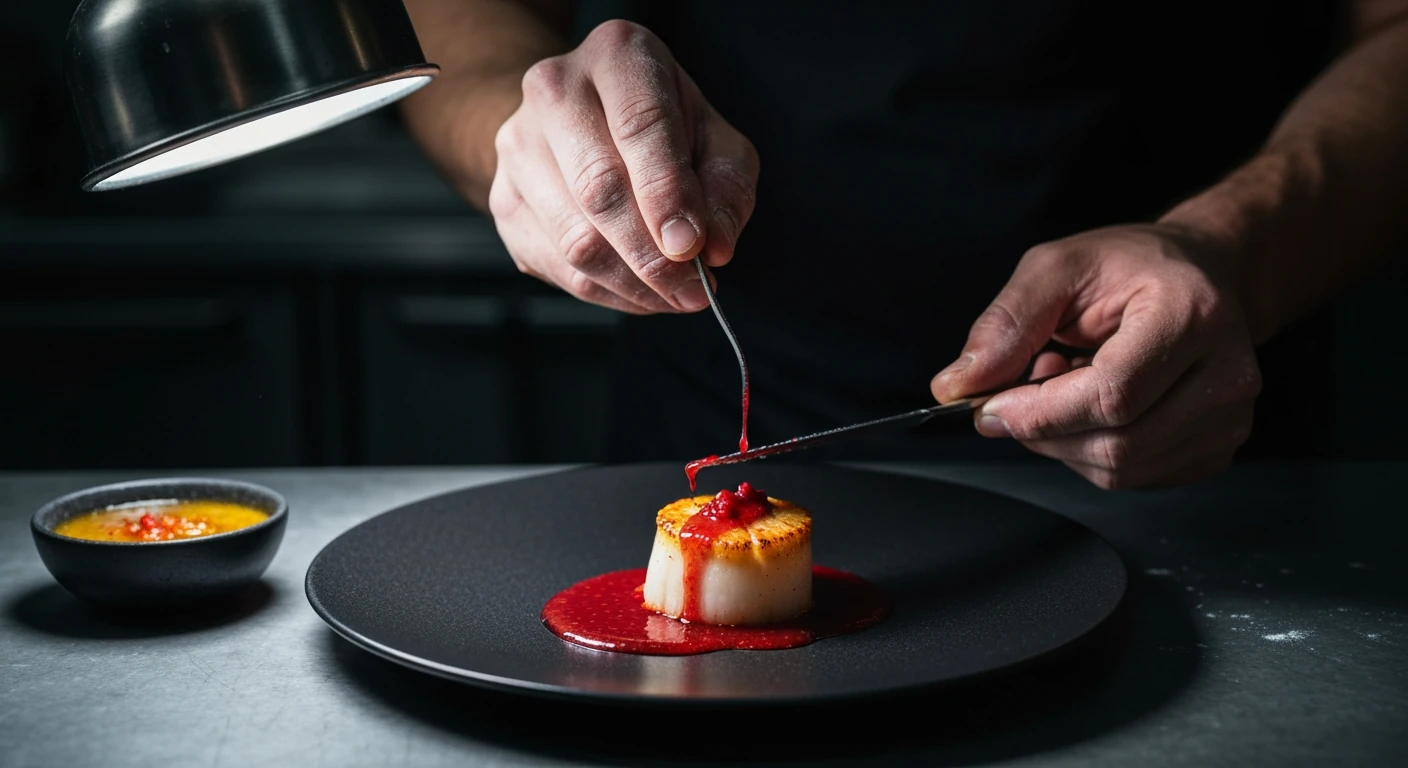
The Future of Food Experiences: Dining Out and In
While sustainable ingredients are reshaping our plates, the very definition of a “meal” is being completely rewritten. The walls of the traditional restaurant are crumbling, not from neglect, but from a technological and cultural push that is redefining convenience and entertainment. This shift is happening faster than most people realize. Your next favorite meal might come from a kitchen with no tables, no waiters, and no public-facing front door.
The entire experience is being unbundled, much like how we stopped buying music albums and started streaming single songs. You can now get the chef-quality food without the fine-dining price tag or the travel time. This creates an entirely new set of choices for consumers.
Beyond the Restaurant Wall: New Delivery Models
Food delivery is no longer just about getting a pizza on a rainy night. We’re seeing the rise of ghost kitchens, which are delivery-only culinary hubs that house multiple “virtual restaurants” under one roof. A recent report from Cornell’s School of Hotel Administration found that these models can reduce operational overhead by as much as 27% compared to traditional brick-and-mortar establishments. This allows for more experimentation with niche cuisines.
Simultaneously, meal subscriptions are offering hyper-personalized weekly menus based on your dietary preferences, tracked via app data. What does this mean for the home cook? It means algorithms are increasingly influencing what you eat, suggesting recipes and even auto-filling your grocery cart. The underrated factor here is how this technology is quietly shaping our palates and creating new delicious culinary innovations we might not have discovered on our own.
Immersive Dining: More Than Just a Meal
On the other end of the spectrum, dining out is becoming a full-blown spectacle. Restaurants are fighting for your attention with experiential dining, where the meal is just one component of a larger event. Think augmented reality menus that bring dishes to life on your phone screen, or themed pop-ups that transport you to a different era for a single night. Food is becoming performance art.
Dr. Anya Sharma, a food sociologist, argues that this is a direct response to the digital age. “As our lives become more screen-based, we crave tangible, multi-sensory experiences,” she explains. “A restaurant can no longer just serve good food; it must tell a story.” But does a projection-mapped dessert actually taste better, or are we just paying for the novelty?
These evolving formats present a new landscape for diners. They offer unique advantages but also come with trade-offs that change the nature of eating.
- Pro: historic Convenience. Ghost kitchens and advanced delivery place a world of cuisines at your fingertips, often at a lower price point.
- Con: Loss of Atmosphere. The experience of being in a well-designed restaurant, with its ambient sounds and service, is lost in a cardboard box.
- Pro: Exciting Personalization. Technology can help you discover new foods and curate experiences perfectly suited to your tastes, aiding in your own personal curation of delightful discoveries.
- Con: The “Experience” Tax. Immersive events can be costly, sometimes prioritizing spectacle over the actual quality of the food.
Ultimately, these trends force us to ask what we value in a meal. Is it the food itself, the convenience of its arrival, or the story and connection that comes with it? For anyone interested in expert predictions on current trends, the food world provides a fascinating case study on how technology changes human behavior.
Crafting Your Culinary Journey: Expert Tips for the Home Cook
Understanding the future of food is one thing, but bringing it into your own kitchen is another challenge entirely. The shift from passively receiving dining trends to actively participating in them requires a bit of confidence and a willingness to play. So, how do you translate the exciting predictions from the culinary world into delicious, achievable meals at home? It begins with a simple decision to try.
The journey from a hesitant cook to a confident creator is paved with small, successful experiments. You don’t need a professional kitchen or a massive budget. What you need is curiosity and a few guiding principles to explore the latest in delicious culinary innovations on your own terms.
Embracing New Ingredients with Confidence
The produce aisle can feel like a final exam you didn’t study for. What do you do with a celeriac? How does black garlic even happen? A recent survey from Food & Home Magazine revealed that 63% of home cooks stick to the same 10-12 vegetables in their weekly rotation, fearing waste and failure with unfamiliar items. The underrated factor here is starting small.
Treat a new ingredient like taking a different route on your commute—it might feel awkward initially, but you could discover something wonderful. Don’t build a whole meal around an unknown; integrate it instead. Buy one new item—like a head of fennel or a bottle of fish sauce—and add a small amount to a dish you already know and love. This low-risk approach builds your flavor library without the pressure of a full-scale culinary gamble.
Mastering Modern Cooking Techniques
Modern cooking isn’t just about fancy gadgets, though some can be fun. It’s about understanding processes. Techniques like fermentation, once the domain of preservationists, are now celebrated for the complex flavors they create. You can start by making a simple quick-pickle with cucumbers or red onions. It takes minutes and introduces a foundational skill.
The data suggests—though not conclusively—that mastering one small technique significantly boosts kitchen confidence. Perhaps it’s finally perfecting a poached egg or learning how to froth milk without a machine for your morning coffee. These small wins compound, making bigger challenges (hello, sourdough) feel less intimidating. They are the building blocks of skill and self-assurance.
A Home Cook’s Checklist for Culinary Exploration
To help you get started, here is a simple framework for expanding your culinary horizons. This isn’t a rigid set of rules, but rather a guide to spark creativity and encourage purposeful experimentation in your own kitchen.
Experimenting with Flavor Profiles
Great cooking often boils down to balancing flavors. Think in terms of a triangle: sweet, salty, and acidic. When a dish tastes flat, it’s almost always missing one of these components. A squeeze of lemon (acid), a dash of soy sauce (salt), or a pinch of sugar (sweet) can fundamentally change the entire profile of a dish. Once you master that basic balance, you can add in other elements like bitterness, umami, and spice for even more complexity.
Sourcing Sustainably for Your Pantry
Connecting with where your food comes from can be a powerful inspiration. Visiting a local farmers’ market or joining a Community Supported Agriculture (CSA) program introduces you to ingredients at their peak freshness. This isn’t just about ethics; it’s about flavor. An in-season tomato from a local farm tastes profoundly different from one shipped across the continent—it’s practically a different ingredient.
- Start a “Flavor Journal”: Jot down notes on new tastes and combinations you enjoy.
- Commit to One “Weird” Vegetable a Month: Cook it at least two different ways.
- Master One “Sauce Mother”: Learn to make a great tomato sauce, vinaigrette, or béchamel from scratch. This skill is endlessly adaptable.
- Host a Potluck with a Theme: Encourage friends to bring dishes from a specific region or featuring a particular ingredient.
- Reverse-Engineer a Restaurant Dish: Try to recreate a simplified version of a meal you loved eating out.
The most important step is simply the next one you take. Pick one item from this list and give it a try this week. Your palate will thank you for it.
Your Plate, Your Story
As these trends unfold, it’s easy to feel like a spectator, simply waiting for the next big thing to arrive on a menu or a grocery shelf. But the real future of food isn’t just about what experts predict; it’s about what you choose to explore. The most significant culinary shift isn’t a specific ingredient or gadget, but the growing empowerment of the home cook to become a creator, not just a consumer.
So, where do you begin? Perhaps it’s not by overhauling your entire kitchen, but by picking one thread from this tapestry of trends and pulling on it. Try making your own fermented hot sauce, seek out a recipe from a specific region of a country you love, or challenge yourself to create one meal a week with zero food waste. The ultimate takeaway isn’t just knowing what’s next, but realizing you have a hand in crafting it. What story will your next meal tell?
Frequently Asked Questions
What are the top predicted food trends for home cooks?
Home cooks can expect to see a rise in ‘swicy’ (sweet and spicy) flavors, an emphasis on hyper-regional global dishes, and a continued passion for ancient techniques like fermentation. There’s also a major push towards using smart kitchen gadgets for precision while reducing food waste.
How can I make my kitchen more sustainable?
You can increase sustainability by focusing on reducing food waste, such as using vegetable scraps for broth. Also, consider incorporating more plant-based proteins like lentils, choosing local produce when possible, and exploring low-impact ingredients like sea vegetables.
Are smart kitchen gadgets worth the investment?
Smart gadgets can be a worthy investment if they solve a specific problem for you. Devices like smart scales ensure recipe consistency, while AI-powered ovens can prevent overcooking. Their true value lies in providing data-driven precision and reducing food waste, rather than just simple automation.
What’s the difference between ‘plant-based’ and ‘vegan’?
While the terms are often used interchangeably, ‘plant-based’ typically refers to a diet centered on foods derived from plants, but may not strictly exclude all animal products. ‘Vegan’ is a stricter lifestyle that excludes all animal products, including meat, dairy, eggs, and honey, often for ethical, environmental, or health reasons.
Where can I find reliable culinary expert predictions?
Reliable predictions can be found in reports from culinary institutes and food technology organizations like the IFT. Following the work of food anthropologists, sociologists, and respected chefs also provides valuable insight into emerging cultural and flavor trends before they become mainstream.