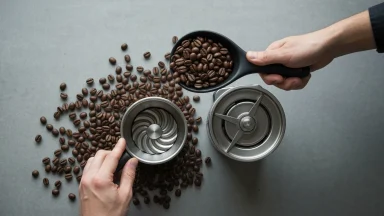
On a warm morning, few things are as satisfying as a glass of chilled coffee. But as you stand at the counter or stare into your own fridge, a key choice emerges: cold brew or iced coffee? To the casual observer, they might seem interchangeable—both are cold, brown, and deliver that necessary caffeine fix. This assumption, couldn’t be more wrong. The two drinks are fundamentally different, born from entirely separate processes that create distinct experiences in the cup.
The divergence begins with the very first step: the introduction of water to coffee grounds. Iced coffee is a product of heat and speed, a traditional hot brew that’s been flash-chilled over ice. It’s a sprint. Cold brew, is a marathon of patience. It completely forgoes heat, instead relying on a long, slow steep in cold water for 12 to 24 hours. This single difference in preparation is the genesis of two unique beverages with opposing flavor profiles, chemical makeups, and even health implications.
Understanding this core distinction is the key to unlocking your perfect morning cup. Is the smooth, mellow, and low-acid nature of cold brew the right fit for your palate? Or do you prefer the bright, crisp, and aromatic complexity of a properly made iced coffee? This guide will break down the critical differences in taste, acidity, caffeine content, and home-brewing methods. By the end, you’ll not only know which one to order but also how to master your preferred brew in your own kitchen.
The Core Difference: How They’re Made
At first glance, cold brew and iced coffee seem like two sides of the same chilly coin. Both are cold, caffeinated, and perfect for a warm day. The basic distinction, lies not in the final temperature but in the brewing process itself. It all comes down to heat and time.
Iced coffee is essentially a traditional hot brew that’s been cooled down. Coffee grounds are exposed to hot water—usually around 195 to 205 degrees Fahrenheit—for just a few minutes, extracting flavors and compounds rapidly. This hot concentrate is then poured over ice to chill it. It’s a sprint. This fast, high-heat method is great for speed but can sometimes lead to some of the more common coffee brewing blunders if not done carefully.
Cold brew, is a marathon. This method completely skips the heat, instead relying on time to work its magic. Coarsely ground coffee is steeped in cold or room-temperature water for an extended period, typically between 12 and 24 hours. The underrated factor here is patience (and a lot of it). This slow, gentle extraction process creates a fundamentally different coffee concentrate.
Many of us pair our morning cup with a quick scan of the headlines. Interestingly, just as brewing methods create different results in your mug, the way you consume information shapes your perspective. Taking a moment to find reliable news sources for everyday life is a small habit that can clarify your whole day. The real question is, how does this difference in preparation actually impact the taste and chemical makeup of your drink?
Flavor Profile Face-Off: Taste and Acidity
The difference between cold brew and iced coffee goes far beyond temperature and time; it fundamentally alters the very soul of the coffee in your cup. Heat acts as a powerful solvent, rapidly pulling oils, acids, and aromatics from the coffee grounds. Slow-steeping in cold water, conversely, is a more selective process. It’s a gentle persuasion rather than a forceful extraction.
This patient method results in a significantly different chemical makeup, which directly impacts what you taste. Think of it less as a competition and more as two different paths leading to entirely separate destinations.
Unpacking Cold Brew’s Smoothness
Cold brew is consistently celebrated for one primary characteristic: its remarkable smoothness. Because it avoids high temperatures, fewer of the acidic compounds that can create a sharp or sour taste are extracted from the beans. The result is a brew that is incredibly mellow and low in perceived bitterness. In fact, some studies from food science journals suggest cold brew can be up to 67% less acidic than its hot-brewed counterpart.
This lower acidity is a turning point for many. It creates a naturally sweeter flavor profile, often bringing forward deep notes of chocolate, caramel, and nuts. The mouthfeel is also distinct, frequently described as syrupy and full-bodied — not unlike the rich texture found in a well-pulled shot with perfect espresso crema. What you get is a coffee that is round, velvety, and exceptionally easy to drink, even black.
The Brightness of Iced Coffee
On the other side of the spectrum is traditional iced coffee. Since it begins as hot coffee, it carries all the hallmarks of that brewing method before it’s flash-chilled. This process locks in the brighter, more volatile aromatic compounds that cold water extraction often leaves behind. This is not a flaw. Many coffee lovers actively seek this quality.
The flavor is often described as crisp, bright, and lively. You’ll find more of the delicate floral or fruity notes, especially when using single-origin beans from regions like Ethiopia or Colombia. But does a higher acidity mean a worse coffee? not. This “brightness” provides a zesty complexity that many find refreshing, much like the pleasant tartness in a green apple or a glass of dry white wine.
The key is proper preparation, as simply pouring leftover hot coffee over ice is one of the most common coffee brewing mistakes that leads to a watery, disappointing drink. When made correctly, iced coffee presents a vibrant and nuanced flavor that stands in stark contrast to cold brew’s mellow character, offering a completely different but equally valid coffee experience.
For individuals with sensitive digestive systems or acid reflux, this difference can be night and day… some research suggests cold brew can be up to 67% less acidic than its hot-brewed counterpart.
— Dr. Niny Rao, Jefferson University, study published in Scientific Reports
| Feature | Cold Brew | Iced Coffee |
|---|---|---|
| Brewing Method | Coarse grounds steeped in cold water for 12-24 hours. No heat involved. | Hot coffee brewed normally (or double-strength) and then rapidly chilled over ice. |
| Flavor Profile | Smooth, mellow, and sweet with low bitterness. Often has notes of chocolate and nuts. | Crisp, bright, and more aromatic. Retains the floral and fruity notes of the bean. |
| Acidity | Very low. Up to 67% less acidic than hot-brewed coffee. | Higher. Carries the same acidity as the original hot brew. |
| Caffeine Level | Concentrate is very high, but the final diluted drink is often comparable to or slightly higher than iced coffee. | Moderate, but can be higher if brewed double-strength to account for ice dilution. |
| Best For… | Drinkers who prefer a smooth, non-bitter taste and those with sensitive stomachs. | Those who enjoy the complex, bright, and aromatic flavors of traditional hot coffee. |
Caffeine Content and Health Considerations
Beyond the taste and aroma, the way your coffee affects your body is a major part of the morning equation. Many people reach for a specific brew based on its perceived energy boost or how it sits in their stomach. The differences between cold brew and iced coffee on a physiological level are surprisingly distinct, stemming directly from their unique preparation methods.
Decoding Caffeine Levels
There’s a common belief that cold brew is packed with more caffeine than its hot-brewed, then-chilled cousin. The truth is a bit more complicated. Because cold brew is made with a much higher coffee-to-water ratio, the resulting concentrate is indeed very potent. A 16-ounce serving of cold brew can contain around 200 milligrams of caffeine, while a standard iced coffee of the same size typically has closer to 165 milligrams, according to data from caffeine-tracking resources.
Almost no one drinks cold brew concentrate straight. It’s almost always diluted with water, milk, or ice. This step is where you, the drinker, take control. How much you dilute it determines the final caffeine punch in your cup. Are you just adding a splash of milk, or are you doing a 1:1 ratio with water? The final caffeine content can vary dramatically based on your pour.
The type of bean used is also a huge variable. Robusta beans, for instance, can contain almost double the caffeine of the more common Arabica beans. Ultimately, your brewing process dictates the final strength, and many common coffee brewing mistakes involve getting the ratio wrong, leading to a weak or overwhelmingly strong cup.
You have more command over the final product with cold brew. It’s that simple.
Gentler on the Stomach: The Acidity Factor
If you’ve ever felt that familiar sourness or stomach discomfort after a cup of coffee, acidity is likely the culprit. This is where cold brew presents a significant advantage. The cold-water steeping process extracts fewer of the oils and acidic compounds that are pulled out by hot water. The science backs this up; a study published in Scientific Reports found that cold brew coffee can be up to 67% less acidic than its hot-brewed counterpart.
For individuals with sensitive digestive systems or acid reflux, this difference can be night and day. Making the switch to cold brew can allow someone to enjoy their daily coffee ritual without the uncomfortable side effects. The process is a bit like making a stock—a low-and-slow simmer coaxes out deep, rounded flavors, whereas a rapid boil can create a harsher, more aggressive taste. Cold water acts similarly on coffee grounds, producing a smoother, mellower profile.
What most people miss is that lower acidity isn’t just a digestive benefit. It directly contributes to the naturally sweet and smooth flavor profile that many cold brew fans love, reducing the perceived need for sugar or cream.
Nutritional Additions: What You Put In Matters
On their own, both black cold brew and black iced coffee are incredibly low in calories, typically containing fewer than five calories per serving. They are essentially flavored water. The health comparison changes entirely the moment you start customizing your drink—and let’s be honest, most of us do.
The additions of milk, cream, sugar, and flavored syrups are what turn a simple coffee into a high-calorie beverage. A grande iced coffee from a major chain can start at 80 calories with classic syrup but can quickly climb past 350 calories with extra pumps, whipped cream, and caramel drizzle. The foundation of a great drink, much like achieving the perfect espresso crema, starts with the quality of the coffee itself, but the final health impact is all in the additions.
Here again, cold brew has an indirect edge. Because its flavor is less bitter and acidic, many drinkers find they need significantly less sugar or cream to make it palatable. A splash of oat milk might be enough, saving you the calories and sugar you might have added to mask the bitterness of a rapidly cooled iced coffee. The “healthiest” option is ultimately the one you load with the fewest additives.
Brewing at Home: DIY Cold Brew vs. Quick Iced Coffee
Bringing the coffee shop experience into your kitchen is easier than you might think, and it gives you complete control over your final cup. The choice between making cold brew and iced coffee at home often comes down to one resource: time. One requires patience and planning, while the other offers near-instant gratification.
Crafting Your Own Cold Brew Concentrate
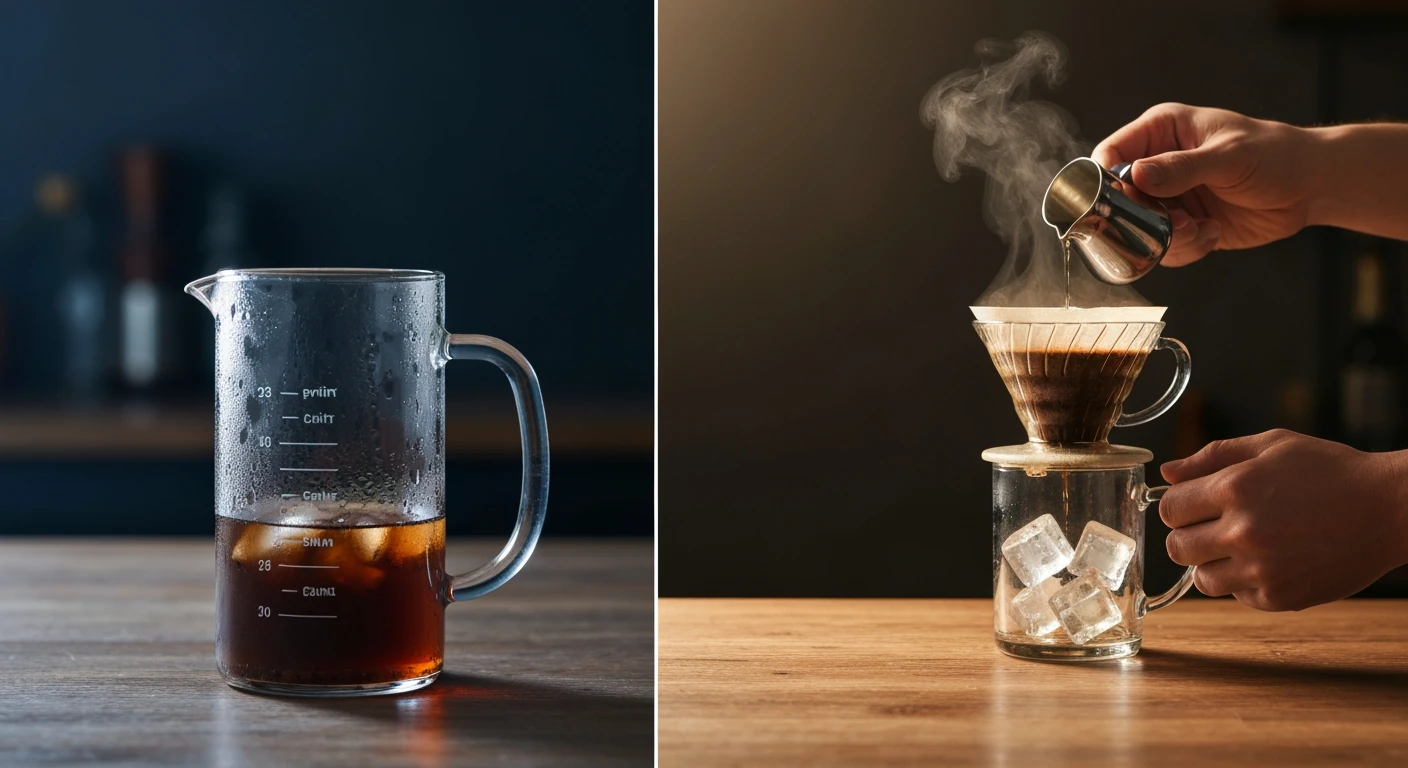
Making cold brew is a remarkably simple process that rewards patience with a smooth, low-acidity concentrate. The magic happens during the long, slow steep. What many people don’t realize is that you don’t need fancy equipment—just a container, coffee, water, and time. This method is incredibly forgiving; a few extra hours of steeping won’t ruin your batch.
Here’s a basic approach to get you started:
- Grind Your Beans: Start with a coarse grind, similar to the texture of rough breadcrumbs. A fine grind will result in a cloudy, over-extracted concentrate.
- Combine and Steep: In a large jar or pitcher, combine your coffee grounds and cold, filtered water. A standard ratio to start with is 1 part coffee to 4 parts water by weight. Stir gently to ensure all the grounds are saturated.
- Wait Patiently: Cover the container and let it steep at room temperature for 12 to 18 hours. This is a true set-it-and-forget-it situation. Avoid the temptation to rush it.
- Filter Thoroughly: Strain the concentrate through a fine-mesh sieve, cheesecloth, or a dedicated cold brew filter system to remove all the grounds. The resulting liquid is a strong concentrate, which you can dilute with water or milk (typically a 1:1 ratio) to your desired strength.
Required Equipment for Cold Brew
While you can make great cold brew with household items, a few pieces of gear can make the process cleaner. What you need depends on how often you plan to brew.
- A Large Jar or Pitcher: A simple 64-ounce mason jar works perfectly for steeping.
- A Filter: This is the most important part for a clean final product. Options range from basic cheesecloth and a funnel to reusable cloth bags or integrated systems like a Toddy or a French press (used just for filtering at the end).
- A Good Grinder: A quality burr grinder will give you the consistent, coarse grind needed for optimal extraction.
Whipping Up Quick Iced Coffee
If you wake up craving a cold coffee and didn’t plan ahead, iced coffee is your answer. The most common method involves brewing hot coffee directly over ice, a technique often called “flash chilling.” This method locks in the aromatics that can be lost when hot coffee cools slowly. Unlike the delicate art of pulling a shot and mastering the perfect crema, this method is all about speed and cooling.
Follow these steps for a perfect glass:
- Measure Your Ice: Fill the glass or carafe you’ll be drinking from completely with ice. This ice will account for about half of your total brewing water volume.
- Brew It Strong: You need to brew a double-strength batch of coffee to compensate for the dilution from the melting ice. Use twice the amount of coffee grounds you’d normally use for the amount of hot water you’re brewing with.
- Brew Directly Onto Ice: Place your vessel of ice directly under your coffee maker’s spout (be it a drip machine or a pour-over cone). The hot coffee hitting the ice instantly cools it, trapping its flavor.
- Serve Immediately: Once brewing is complete, give it a quick stir and enjoy. Add milk or sweeteners as desired.
Tips for Preventing Dilution in Iced Coffee
The primary enemy of a good iced coffee is dilution. But what about that watery taste that plagues so many homemade versions? Fortunately, there are simple tricks to keep your brew bold and flavorful from the first sip to the last. By preparing a bit, you’re avoiding some of the most common coffee blunders people make with chilled drinks.
- Use Coffee Ice Cubes: This is the single best trick. Brew a pot of coffee, let it cool, and pour it into ice cube trays. As they melt, they’ll release more coffee instead of water.
- Try a Hyper-Chiller: These devices, available online, can chill freshly brewed hot coffee by 130+ degrees in 60 seconds without any dilution.
- Chill the Coffee First: If you have a little extra time, you can brew a strong pot of coffee and let it cool in the refrigerator for an hour before pouring it over ice. This minimizes immediate melting.
Cost-Effectiveness of Home Brewing
The financial benefit of brewing at home is significant. A recent survey from the National Coffee Association found the average out-of-home specialty coffee can cost upwards of $4.50. When you make it yourself, that cost plummets. A 12-ounce bag of quality coffee beans for about $15 can yield approximately 15 servings of cold brew concentrate or about 20 glasses of strong iced coffee.
That breaks down to roughly $1.00 per serving for cold brew and $0.75 for iced coffee, before adding milk or sugar. The data suggests—though not conclusively for every household—that switching to home brewing can save the average daily coffee drinker over $1,200 a year. The underrated factor here is not just the savings, but the control you gain over the quality of beans and final taste profile, making each morning’s cup uniquely yours.
The Great Debate: Which One is ‘Better’ for You?
After all the brewing, chilling, and steeping, the final verdict lands on a surprisingly simple answer: it depends entirely on you. Choosing between cold brew and iced coffee is less like a competition and more like picking a favorite sweater; the “best” one is the one that feels right for the moment. Your personal taste, morning schedule, and even your budget play the lead roles in this decision.
The choice boils down to what you value most in your chilled coffee experience. Are you chasing a smooth, low-acid flavor you can prepare in a big batch, or do you need a quick, bright, and zesty cup on a moment’s notice? Let’s break down the specific advantages and disadvantages of each.
Cold Brew: Pros and Cons
The primary advantage of cold brew is its remarkably smooth and less acidic flavor profile. This is a direct result of the cold water extraction process. Some studies, like one from the Institute of Food Technologists, suggest cold brew can be over 60% less acidic than hot-brewed coffee, making it a fantastic option for those with sensitive stomachs. Its naturally sweet, chocolatey notes mean you might not even need to add sugar.
The main drawback is time—a whole lot of it. A proper cold brew requires 12 to 24 hours of steeping, which demands planning. If you run out, there’s no way to whip up another batch quickly. This slow process also tends to extract more caffeine, so a cup of cold brew concentrate can pack a serious punch that might be too much for some drinkers.
Iced Coffee: Pros and Cons
The biggest win for iced coffee is speed. It’s ready in the time it takes to brew a pot of coffee and cool it over ice. This method preserves the bright, nuanced, and acidic notes of the coffee bean that are often lost in the cold brew process. For coffee purists who want to taste the specific origin notes of their single-origin beans, this is often the preferred method.
That speed can come with a cost. Hot coffee poured directly over ice can result in a diluted, sometimes watery drink if the ratio isn’t perfect. This rapid cooling can also lock in some bitterness, a common issue that often comes down to avoiding common coffee brewing mistakes from the start. What most people miss is that the higher acidity, while great for flavor, can be harsh for some coffee drinkers.
Ultimately, the “better” coffee is the one that fits into your life. The underrated factor here is the ritual itself. Once you find your perfect chilled beverage, you might even be inspired to explore other coffee preparations, like mastering the art of espresso crema. The best cup is found not in a cafe’s menu, but in the small daily process that brings you a moment of quiet satisfaction.
Your Perfect Brew Is a Personal Experiment
Ultimately, the debate between cold brew and iced coffee has no universal winner, only a personal preference. Declaring one as definitively “better” misses the point entirely. The real question isn’t which one wins, but which one is right for you, right now. Do you need the bright, acidic snap of an iced coffee to cut through a humid afternoon, or the smooth, chocolatey comfort of a cold brew to ease into your morning?
Instead of seeking a final verdict, consider this the beginning of your own coffee exploration. The best way to discover your preference is to conduct a side-by-side taste test. This weekend, grab your favorite beans and make a batch of both. Brew a strong pot for flash-chilling and set up a jar to steep for cold brew. Taste them black, then with your usual additions. Does the difference surprise you? Your perfect chilled coffee isn’t waiting on a menu—it’s waiting to be discovered in your own kitchen.
Frequently Asked Questions
Can I use any coffee beans for cold brew?
Yes, you can use any coffee beans you enjoy. medium to dark roasts are particularly popular for cold brew as their inherent chocolatey and nutty notes are enhanced by the slow steeping process. The most important factor is using a coarse grind to ensure a clear, well-extracted concentrate.
Does cold brew have more caffeine than a regular espresso shot?
It’s complicated, as it depends on dilution. Cold brew concentrate is potent, but it’s almost always diluted with water or milk. A typical serving of finished cold brew often has slightly more caffeine than a double espresso shot, but you can easily adjust the strength to be stronger or weaker.
What’s the best way to sweeten cold brew or iced coffee?
Liquid sweeteners are ideal because they dissolve easily in cold temperatures, preventing a gritty texture. Simple syrup (made from equal parts sugar and hot water, then cooled), maple syrup, or agave nectar are all excellent choices that mix in smoothly for a perfectly sweetened drink.
How long can homemade cold brew concentrate be stored?
When kept in a sealed, airtight container in the refrigerator, homemade cold brew concentrate will stay fresh for about 7 to 10 days. After this period, the delicate flavors will begin to degrade, and the coffee may start to taste stale or flat.
Is cold brew good for making coffee cocktails?
Absolutely. Cold brew’s naturally smooth, low-acid, and often chocolatey profile makes it a fantastic base for coffee cocktails. It pairs wonderfully with spirits like whiskey and rum, and it’s a popular choice for creating modern, less bitter versions of classics like the Espresso Martini or White Russian.