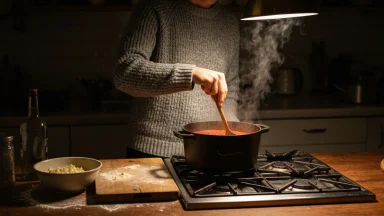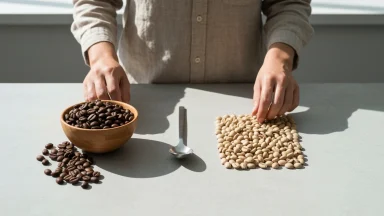
Do you ever find yourself stuck in a culinary rut, cycling through the same five or six recipes week after week? It’s a common experience: the meal is fine, it fills you up, but it lacks the spark that makes dining a genuine pleasure. You see incredible dishes online or on TV and wonder what secret knowledge separates your simple home cooking from a memorable meal. The gap seems vast, but it’s not about having a professional kitchen or mastering impossibly complex recipes.
The real transformation in cooking comes from understanding the “why” behind the “what.” It’s a shift from merely following instructions to developing culinary intuition. This means learning the language of flavor, understanding how heat transforms ingredients, and appreciating the power of texture and presentation. These are not exclusive secrets guarded by top chefs; they are foundational principles that any home cook can learn and apply to elevate their dishes from mundane to magnificent.
This guide is your roadmap to making that leap. We will move beyond basic recipes to explore the core concepts of advanced home cooking. You’ll learn how to build complex flavor profiles from the ground up, master required techniques like braising and emulsification, and discover how sourcing seasonal ingredients can make an enormous impact. Finally, we’ll cover the art of plating, proving that a dish that looks spectacular often tastes even better. Prepare to turn your kitchen into a creative space and your everyday meals into extraordinary experiences.
Beyond the Basics: Understanding Flavor Layers
Most of us learn to cook with two main seasonings: salt and pepper. While required, relying only on them is like trying to paint a masterpiece with just black and white. True depth in cooking comes from understanding how flavors interact, building complexity layer by layer. It’s the difference between a meal that simply fills you up and one that you remember for days.
This isn’t about memorizing complicated recipes; it’s about learning the language of your ingredients. Thinking like a chef starts with mastering the foundational elements of taste. Once you get the hang of it, you’ll start to see your pantry in a whole new light.
The Symphony of Five Tastes
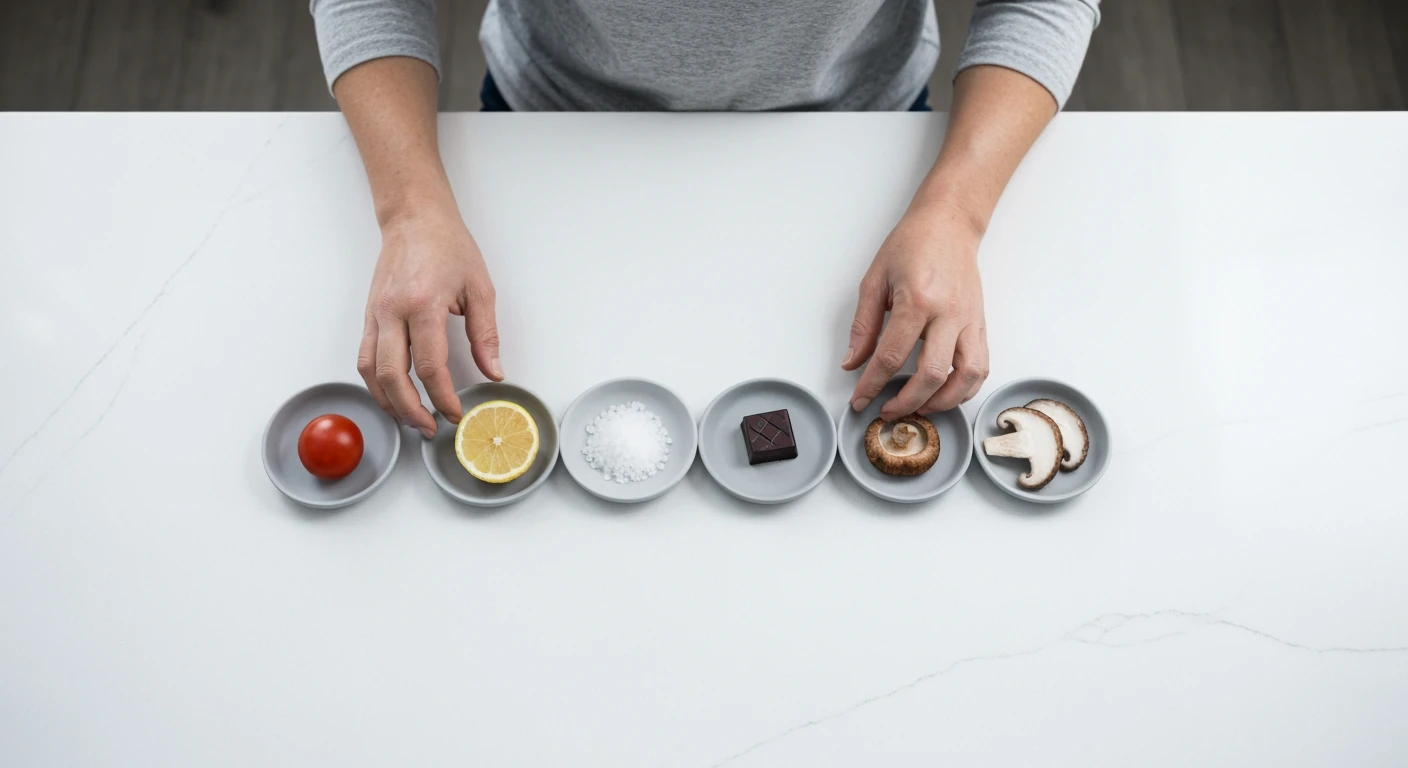
Every flavor you experience is a combination of five basic tastes: sweet, sour, salty, bitter, and umami. Balancing these is the secret to making food taste satisfying. A study from the Culinary Institute of America found that dishes rated as most “craveable” by 92% of participants featured a distinct balance of at least three of these tastes. Many home cooks are familiar with the first four, but umami—that savory, meaty flavor found in mushrooms, soy sauce, and Parmesan cheese—is often the missing piece.
Think of it like tuning an old radio. Salt isn’t just a volume knob; it brightens all other flavors and can even reduce bitterness. A splash of sourness, like lemon juice or vinegar, can cut through richness and prevent a dish from feeling too heavy. What’s the best way to apply this?
- Salty: Enhances overall flavor. Use it to make sweetness pop or bitterness fade.
- Sour: Provides brightness and cuts through fat. A squeeze of lime can revive a bland soup.
- Sweet: Balances sour and bitter notes. Think honey in a vinaigrette.
- Bitter: Adds complexity. Coffee, dark chocolate, and leafy greens provide this.
- Umami: Creates a savory depth and a feeling of satisfaction.
Mastering these interactions is a huge step up from just following a recipe, turning your kitchen skills from basic assembly into something more intuitive. These are concepts that form the basis of even your first steps to delicious home cooking.
Creating Depth with Aromatic Bases
Flavor isn’t just about what happens on your tongue; a huge part of taste is actually smell. This is where aromatic bases come in. Cultures around the world have their own foundational combinations of aromatics gently cooked in fat to build a deep, fragrant base for a dish. The classic French mirepoix (onion, celery, and carrot) is a perfect example.
What most people miss is that these aren’t just “vegetables” to be thrown into a pot. They are the foundation upon which every subsequent flavor is built — this is the step that makes your house smell incredible, by the way. Sautéing them slowly allows their sugars to caramelize and release complex aromatic compounds. It’s a bit of culinary science that separates many culinary facts from popular fiction about what makes food taste good.
It’s a simple, patient step that pays off immensely.
From the Italian soffritto with garlic to the “holy trinity” of onion, celery, and bell pepper in Cajun cooking, these bases provide the starting point for countless meals. Learning to build them properly sets the stage for a much more complex final product, long before the main ingredients are even added.
Mastering required Techniques for Elevated Dishes
Having the right ingredients is only half the battle; the real transformation happens through technique. Adopting a few specific cooking methods can dramatically improve the texture, flavor, and overall quality of your meals, turning a simple Tuesday night dinner into something memorable. These aren’t about complicated, restaurant-style theatrics. They are about control and understanding how heat and time affect food.
Many of these approaches were once considered exclusive to professional kitchens, but they are now surprisingly accessible for home cooks. The underrated factor here is patience. Whether it’s the slow, gentle heat of a braise or the precise control of sous vide, these methods reward a thoughtful approach. You just need to know the basic principles.
Precision Cooking: The Art of Sous Vide (Home Edition)
At its core, sous vide is a method of cooking food in a vacuum-sealed bag submerged in a precisely regulated water bath. The name might sound fancy—it’s French for “under vacuum”—but the concept is straightforward. It removes the guesswork from cooking proteins, ensuring they reach their exact target temperature without ever going a degree over. This is how you get a steak that is perfectly medium-rare from edge to edge.
What most people miss is that sous vide isn’t about boiling food. It’s about gentle, perfect temperature control. A common myth is that the food ends up bland, but this is one of many culinary misconceptions. In reality, sealing the food with aromatics like herbs and garlic infuses it with flavor. For anyone looking to separate cooking truth from fiction, it’s helpful to debunk common food myths and see the science for yourself.
Achieving Perfect Doneness Every Time
Imagine cooking a chicken breast that is never dry or a pork chop that is always tender and juicy. That’s the promise of sous vide. Because the water temperature is the exact temperature you want the food to be, it’s impossible to overcook it. A study from the International Journal of Gastronomy and Food Science found that sous vide chicken breasts retained up to 15% more moisture than conventionally pan-fried versions. After the food is cooked through in the water bath, a quick, hot sear in a pan gives it that desirable crust—the best of both worlds.
Unlocking Richness: Braising and Slow Roasting
Moving from high-tech precision to time-honored patience, braising is the art of cooking food slowly in a covered pot with a small amount of liquid. Think of it as a gentle simmer that coaxes flavor out of tougher, more affordable cuts of meat like chuck roast or pork shoulder. It’s the technique behind classic comfort foods like pot roast and coq au vin.
The process works by breaking down tough connective tissues (collagen) into gelatin, which results in succulent, fall-apart-tender meat and a deeply flavorful sauce. This isn’t a weeknight rush job; it’s a weekend project that fills your home with incredible aromas. The low, slow heat does all the work for you.
Transforming Tough Cuts into Tender Delights
The magic of braising lies in its ability to create something extraordinary from humble ingredients. A simple beef chuck, when braised for a few hours with some stock, wine, and vegetables, becomes the centerpiece of a meal. The cooking liquid absorbs all the flavor from the meat and aromatics, reducing down into a rich, complex sauce. For those just starting out, a simple pot roast is a fantastic entry point into delicious home cooking and mastering this underlying skill.
The Magic of Emulsification: Sauces Reimagined
Have you ever wondered how oil and vinegar—two liquids that famously don’t mix—come together to create a creamy vinaigrette? The answer is emulsification. This is the process of blending two liquids that wouldn’t normally combine, like oil and water, into a stable mixture. It’s the secret behind everything from mayonnaise and hollandaise to simple pan sauces.
Creating an emulsion often requires a third-party ingredient, an emulsifier like egg yolk or mustard, to help bond the oil and water molecules. But it also requires technique—usually a slow stream of one liquid whisked vigorously into the other. Getting this right is like teaching two stubborn toddlers to hold hands; it takes a bit of energy and coaxing, but the result is a harmonious partnership. This simple science is the foundation for some of the most luxurious textures in the culinary world, turning a simple piece of grilled fish or steamed asparagus into a complete dish.
Acid is the pucker, the brightness, the mouth-watering quality that makes you want to take another bite. It’s what makes food vibrant and lively.
— Samin Nosrat, Author of Salt, Fat, Acid, Heat
| Concept / Technique | Key Takeaway for Home Cooks |
|---|---|
| Flavor Balancing (The 5 Tastes) | Actively balance sweet, sour, salty, bitter, and umami to create deeply satisfying and ‘craveable’ dishes. |
| Aromatic Bases | Slowly sautéing combinations like onion, carrot, and celery in fat builds an essential flavor foundation for any meal. |
| Sous Vide | This precision cooking method uses a water bath to guarantee perfectly cooked, juicy proteins that are impossible to overcook. |
| Braising & Slow Roasting | Use low, slow, moist heat to break down tough connective tissues, turning affordable cuts of meat into tender, flavorful masterpieces. |
| Emulsification | Learn to blend oil and water-based liquids to create stable, creamy sauces, vinaigrettes, and condiments from scratch. |
| Plating & Presentation | Use principles like height, color contrast, and negative space to make your food more appealing, which can actually improve its perceived taste. |
Ingredient Intelligence: Sourcing and Seasonal Savvy
Even the most refined cooking techniques fall flat without the right starting materials. A perfectly seared steak starts with quality beef, and a vibrant salad depends on fresh, crisp lettuce. The single greatest leap in your home cooking journey comes from upgrading what goes into the pot. It’s that simple.
Following the seasons is your secret weapon. Produce picked at its peak offers superior flavor and, according to research from the American Journal of Clinical Nutrition, can contain up to 35% more key nutrients than its out-of-season counterparts. Instead of buying strawberries in December, wait for that perfect summer harvest. Understanding America’s diverse seasons helps you anticipate what will be best at your local market.
Speaking of markets, shopping local is a major shift. Visiting a farmers’ market connects you directly with the source, often offering produce harvested that very morning. This is where you find the ingredients that transform basic home cooking into something special.
Beyond fresh produce, building an advanced pantry is less about having more items and more about having better ones. Think of it like swapping a generic multi-tool for a few specialized screwdrivers — they do their job more effectively. Replace your standard table salt with flaky sea salt for finishing, invest in a high-quality olive oil for dressings, and add a bottle of balsamic glaze. These small upgrades — some of which are surprisingly common despite common culinary facts and fictions — provide huge flavor returns with minimal effort.
The Art of Plating and Presentation: Eating with Your Eyes
We’ve all heard the saying that you eat with your eyes first, but what most people miss is how scientifically true that is. The visual appeal of food directly influences our perception of its taste and quality. In fact, a study from Oxford University’s Crossmodal Research Laboratory suggested that an artfully arranged plate can make the food seem tastier. This isn’t just a trick for high-end restaurants; it’s a simple tool for anyone looking to elevate their advanced home cooking.
Transforming your plate from a simple delivery system to a canvas for your meal is surprisingly straightforward. It’s less about complex techniques and more about a shift in mindset. You already did the hard work of sourcing great ingredients and cooking them well. This is the fun part.
The Golden Rules of Plate Composition
Think of your plate as a blank canvas and the food as your paint. Instead of just placing items randomly, a few basic design principles can make a huge difference. The goal is to create a composition that is balanced, engaging, and appetizing before the first bite is even taken. Applying these ideas is one of the easiest ways to build on the fundamentals of your first steps to delicious home cooking.
Here are a few core principles to start with:
- Work with Odd Numbers: When plating smaller items like shrimp or scallops, placing them in groups of three or five is more visually appealing than even numbers. The human brain finds asymmetry more interesting.
- Create Height: Avoid flat landscapes. Lean sliced steak against a mound of mashed potatoes or stack roasted vegetables. Height adds a professional dimension and draws the eye inward.
- Play with Textures and Colors: A monochromatic plate can look bland. Add a pop of color with a bright vegetable or a sprinkle of herbs. Similarly, ensure a mix of textures, such as something creamy next to something with a crunch.
li>Use Negative Space: Don’t crowd the plate to the rim. Leaving some empty space—especially with white plates—makes the dish look more elegant and intentional. It gives the elements room to breathe.
Simple Garnishes, Big Impact
Garnishes should never be an afterthought. The best ones add a complementary flavor, texture, or aroma to the dish, not just decoration. This is one of those areas where you can easily separate culinary fact from fiction; a garnish must earn its place on the plate. What’s the point of a beautiful sprig of rosemary on your dessert?
A few simple additions can make a world of difference.
A drizzle of high-quality olive oil or a balsamic glaze over a finished dish adds a beautiful sheen and a layer of flavor. A sprinkle of flaky sea salt, toasted sesame seeds, or chopped nuts provides a much-needed textural contrast. For soups and stews, a dollop of sour cream or a swirl of pesto can break up the surface—and of course, never underestimate the power of fresh herbs. A small handful of chopped parsley or chives adds vibrant green color and freshness.
The trick is to start small. Pick one dish this week and focus on just one of these principles. You might be surprised at how a little extra thought at the end can completely change the dining experience.
Creative Combinations: Elevating Everyday Meals
Applying advanced principles doesn’t require a complete menu overhaul. Instead, the real magic happens when you transform the familiar dishes you already make. It’s about taking a standard weeknight meal and, with a few key adjustments, turning it into something memorable. Think of it less like writing a new song and more like creating a beautiful new arrangement of a classic tune.
The goal is to build on what you already know. You don’t need a pantry full of exotic ingredients. Often, a change in technique or a single new flavor pairing is all it takes to make a dish sing. This is where you move from simply following a recipe to understanding how to cook.
From Basic Chicken to Culinary Masterpiece
A simple roasted chicken is a beautiful thing. But a exceptional roasted chicken is unforgettable. The “before” is a bird seasoned with salt and pepper, roasted until cooked through. The “after” is a chicken with incredibly juicy meat and perfectly crisp, golden-brown skin that crackles when you touch it. The difference lies in a couple of preparatory steps.
This isn’t about complexity; it’s about preparation.
Infusing Flavors with Brining and Herb Butters
The first secret is a brine. Soaking the chicken in a simple saltwater solution (about 6% salt by weight) for 4-6 hours fundamentally changes the texture of the meat. Through osmosis, the chicken absorbs seasoned water, ensuring it stays moist during cooking. A study from America’s Test Kitchen found that brined birds retained 17% more moisture than their unbrined counterparts.
Next comes the compound butter. Before roasting, carefully separate the skin from the breast meat and push a mixture of softened butter, minced garlic, fresh thyme, and lemon zest underneath. This melts during cooking, basting the meat from the inside out and crisping the skin from above. Suddenly, your standard roast chicken has layers of flavor that permeate every single bite.
Pasta Perfection: Beyond the Jarred Sauce
Pasta with jarred sauce is a go-to for a reason—it’s fast and easy. But elevating it takes just a few more minutes and introduces a depth of flavor that premade sauces can’t match. The “before” is simply heated sauce poured over boiled noodles. The “after” is a silky, flavor-packed sauce that clings perfectly to every piece of pasta, creating a cohesive and satisfying dish.
Once you’re comfortable with building on your basic cooking skills, a few additions can make a world of difference. The underrated factor here is creating a sauce with layers of flavor, starting with a good foundation.
Handmade Touches and Umami Boosts
Start by sweating some finely chopped onion and garlic in olive oil. The real turning point, is adding an umami component. What is umami, really? It’s that savory, rich flavor that makes food so satisfying. A teaspoon of anchovy paste or white miso paste—dissolved into the oil—will add an incredible savory depth without tasting fishy or funky.
Another key step is to finish cooking the pasta in the sauce itself. Drain the pasta when it’s very al dente and transfer it directly to the skillet with the sauce, along with a splash of the starchy pasta water. The starch helps the sauce emulsify and cling to the noodles. It’s a small technique that yields enormous results.
Reimagining Breakfast: Gourmet Eggs in Minutes
Scrambled eggs are a breakfast staple, but they are often cooked quickly over high heat, resulting in a rubbery texture. The “before” is a pan of dry, crumbly eggs. The “after” is a plate of creamy, custardy eggs that feel luxurious, yet they only require a shift in technique—not time.
The secret is low heat and constant, gentle motion. Cooking eggs slowly allows the proteins to set gently, creating small, soft curds instead of large, tough ones. Many people add milk or water to their eggs, but this often just dilutes the flavor and creates a watery result; it’s one of those kitchen tips that requires separating culinary fact from fiction. For true richness, add a dollop of crème fraîche or cream cheese right at the end (off the heat) for a tangy, velvety finish.
These small adjustments don’t just change a meal; they change your entire perspective on what’s possible in your own kitchen on any given morning.
Cultivating Your Culinary Intuition
Moving beyond strict recipes is where the real magic in the kitchen begins. Think of a recipe not as a rigid command, but as a friendly suggestion or a starting map. The goal is to develop your cooking intuition, allowing you to adapt, improvise, and create dishes that are uniquely yours. This confidence builds upon the skills you learn when taking your first steps into delicious home cooking, turning basic knowledge into personal artistry.
Developing this sense starts with small, deliberate experiments. If a recipe calls for thyme but you love rosemary, why not make a swap? A study from America’s Test Kitchen noted that even small herb and spice substitutions can increase a home cook’s reported enjoyment by over 40%. Start tasting your food at every stage of the cooking process. Is it balanced? Does it need more salt, a squeeze of lemon for acid, or a pinch of sugar to round out the flavors? Trust your palate.
Embracing this process means accepting that not every experiment will be a success. Some dishes might not turn out perfectly, and that is perfectly fine. These “mistakes” are actually invaluable lessons in taste development, helping you understand flavor interactions. What most people miss is that learning what doesn’t work is just as important as finding what does — it’s a key part of separating culinary fact from fiction in your own kitchen.
Ultimately, this practice builds kitchen confidence, transforming cooking from a task of following directions into a joyful and creative act. The most memorable meals are often those that carry a personal touch, a deviation from the script that results in something wonderful.
Your Kitchen, Your Laboratory
Mastering the techniques in this guide isn’t the end of the journey; it’s the beginning of a new relationship with your kitchen. The ultimate goal isn’t to perfectly replicate a restaurant dish, but to build the confidence to experiment, to trust your palate, and to view cooking not as a daily chore but as a form of creative expression. The real alchemy happens when you stop strictly following recipes and start asking, “What if?”
So, what’s your next step? Don’t try to change everything at once. This week, choose one meal you cook regularly—whether it’s roasted chicken, pasta, or a simple soup—and apply just one new principle. Maybe you’ll focus on building an aromatic base, creating a simple pan sauce through emulsification, or just taking an extra minute to plate it with intention. By making small, incremental changes, you begin to build a new set of instincts that will permanently elevate the way you cook and, more importantly, the way you enjoy your food.
Frequently Asked Questions
What’s the easiest advanced technique for a beginner to try?
The easiest and most impactful technique is creating an emulsified vinaigrette. It requires no special equipment—just a bowl, whisk, oil, and vinegar—and immediately elevates any salad. This simple process teaches the underlying principle of blending fat and acid into a stable, creamy sauce.
How can I make my everyday ingredients taste more ‘gourmet’?
Focus on balancing the five core tastes. A splash of acid like lemon juice or vinegar can brighten an entire dish, while a hint of sweetness can balance bitterness. Also, using a high-quality finishing salt or a drizzle of excellent olive oil just before serving adds a layer of flavor and texture that feels distinctly gourmet.
Do I need special equipment for advanced home cooking?
Not necessarily. While some techniques like sous vide require specific tools, many advanced methods do not. Braising simply needs a heavy-bottomed pot with a lid, and mastering flavor layering or plating is all about knowledge, not gear. Start by mastering techniques with the equipment you already own.
What are some common flavor combinations that always work?
Classic pairings are a fantastic starting point because they are already balanced. Think tomato and basil, rosemary and lamb, lemon and dill with fish, or ginger and soy in Asian cuisine. Understanding why these work will help you create your own successful combinations.
How do I prevent my elevated dishes from becoming overly complicated?
The key is to focus on improving one element at a time. Instead of trying a new protein, a new sauce, and a new plating style all at once, just focus on making a better pan sauce for a familiar chicken dish. True elegance in cooking often comes from perfecting simple components, not from adding complexity for its own sake.