
The glow of your phone screen illuminates a familiar list of choices—pizza, tacos, Thai food—each promising to solve the dinner problem with a few taps. For many, the takeout menu has become the default answer to a long day, a convenient but often uninspired ritual. Yet, a quiet but profound satisfaction is waiting to be rediscovered in our own kitchens, a place that offers more than just sustenance. It’s an invitation to slow down, create with our hands, and connect with the very food that fuels us.
Beyond the practicalities of eating, the act of cooking is a powerful form of mindfulness. The rhythmic chopping of vegetables, the sizzle of garlic in a hot pan, and the fragrant aroma of herbs create a sensory experience that grounds us in the present moment. This process can be a welcome escape from the digital noise and abstract worries that dominate modern life. Research even suggests that engaging in small, creative tasks like preparing a meal can significantly boost our mood and overall sense of well-being. It’s an act of self-care disguised as a daily chore.
This guide is designed to help you reclaim that experience, transforming your kitchen from a place of obligation into a source of joy and confidence. We’ll start with simple, foolproof recipes that prove a delicious homemade meal is within anyone’s reach. From there, we’ll explore the tangible benefits for your health and budget, outline the primary tools you actually need, and share creative ways to make your culinary journey a genuinely fun and connective part of your life. Are you ready to trade the delivery app for a deeper sense of fulfillment?
The Comforting Call of Your Own Kitchen
There’s a familiar comfort in the ritual of ordering takeout after a long day. It’s easy, predictable, and requires minimal effort. But a different, deeper kind of satisfaction quietly waits in our own kitchens. Beyond simply providing sustenance, home cooking is an invitation to slow down, create, and connect with our food in a way that a delivery app never could. It’s a small but meaningful way to begin savoring the everyday.
The sizzle of onions in a pan, the fragrant aroma of garlic, the rhythmic chop of a knife against a wooden board—these are the sensory details that turn meal preparation from a chore into a mindful practice. What most people miss is how this simple act can become a cornerstone of crafting a fulfilling morning routine or a relaxing evening ritual. Have you ever noticed how stress seems to melt away when you’re focused on following the steps of a recipe? It’s a simple, grounding activity.
This feeling isn’t just anecdotal. Research from the Journal of Positive Psychology suggests that engaging in small, creative projects—like trying a new dish—can significantly improve mood and overall life satisfaction. The process itself is almost like a form of meditation; you’re focused on a tangible task, giving your mind a break from abstract worries. It’s an act of self-care disguised as dinner prep.
Ultimately, reclaiming your kitchen is about more than just food. It’s about building a connection with yourself and your home—that feeling of being present. The benefits of infusing a little wellness into your culinary journey extend far beyond the plate, touching every part of your daily life.
Whip Up Wonders: Simple Breakfasts to Brighten Your Day
Starting your journey with home cooking doesn’t mean you need to immediately tackle a five-course dinner. The simplest entry point is often the first meal of the day. A warm, nourishing breakfast can completely change the trajectory of your morning, transforming a chaotic rush into a moment of calm. It’s less about culinary perfection and more about the simple act of creating something for yourself and your family.
Breakfast really sets the tone. According to a study published in the Journal of Nutritional Health, individuals who eat a prepared breakfast report a 22% higher level of perceived morning productivity. The underrated factor here is that the benefit isn’t just nutritional; it’s psychological. Taking five minutes to make something is an act of self-care, a small way of cultivating joy before the day’s demands take over.
Overnight Oats: Your Morning Time-Saver
The concept of “no time to cook” in the morning often crumbles with one simple solution: prepare it the night before. Overnight oats are the meal-prep equivalent of laying out your clothes for the next day—a small effort with a big payoff. This no-cook recipe allows you to wake up to a delicious, ready-to-eat breakfast that feels almost like magic.
What most people miss is how incredibly customizable this dish is. Do you prefer it creamy or with more texture? Sweet or tangy? It’s a blank canvas for your morning preferences. This simple prep is a cornerstone of building a fulfilling morning routine that works for you, not against you.
- Ingredients: 1/2 cup rolled oats, 1/2 cup milk (dairy or non-dairy), 1 tablespoon chia seeds, 1 tablespoon maple syrup or honey, a handful of your favorite fruit (berries, sliced banana).
- Combine oats, milk, chia seeds, and sweetener in a jar or container with a lid.
- Stir or shake well until everything is mixed.
- Top with fruit, seal the container, and refrigerate for at least 4 hours, or overnight.
- In the morning, give it a quick stir and enjoy it cold.
Fluffy Scrambled Eggs with a Twist
Scrambled eggs are a breakfast classic for a reason. They are quick, packed with protein, and forgiving for beginners. But “classic” doesn’t have to mean boring. The secret to exceptionally fluffy scrambled eggs isn’t just constant stirring; it’s about temperature control and one surprising ingredient.
Instead of just milk, try adding a tiny dollop of sour cream or crème fraîche for every two eggs. This adds a subtle tang and a velvety texture that makes the dish feel more deliberate and special—a perfect example of savoring the everyday through small culinary upgrades. Heat your non-stick pan on low, add a pat of butter, and pour in your whisked egg mixture. Stir slowly and consistently with a rubber spatula until soft curds form. What was once a basic meal becomes a delightful experience.
These simple recipes prove that a satisfying homemade breakfast is well within reach, even on the busiest of mornings. Mastering these small dishes builds confidence, paving the way for more adventurous kitchen experiments down the line.
The only real stumbling block is fear of failure. In cooking you’ve got to have a ‘What the hell?’ attitude.
— Julia Child, My Life in France
| Feature | Home Cooking | Eating Out / Takeout |
|---|---|---|
| Average Cost | Significantly lower; ingredients bought in bulk reduce cost per meal. | Higher due to labor, overhead, and delivery fees. |
| Nutritional Control | Full control over ingredients, portion sizes, salt, sugar, and fats. | Often contains hidden calories, sodium, and preservatives. |
| Time Investment | Requires active time for prep and cooking, but can be minimized with planning. | Minimal active time, but includes waiting for delivery or service. |
| Customization | Infinitely customizable to dietary needs, preferences, and available ingredients. | Limited to menu options with minor substitution possibilities. |
| Social Experience | Can be a collaborative and bonding activity for family and friends. | A social event, but the experience is consumed rather than created together. |
Beyond the Plate: Health, Happiness, and Home-Cooked Meals
While mastering a few simple breakfast recipes is a wonderful start, the true magic of home cooking extends far beyond just getting food on the table. It’s a practice that nourishes not only the body but also the budget and family bonds. Preparing your own meals offers a level of control and connection that takeout simply can’t replicate, turning the kitchen into the real heart of the home.
Nutritional Control: Knowing What’s In Your Food
When you order from a restaurant, you’re often getting more than you bargained for. A study from the University of Liverpool found that 95% of main meals from popular UK restaurants contained more than 600 calories. By cooking at home, you become the master of your ingredients. You control the amount of salt, sugar, and oil, ensuring that your meal aligns with your health goals.
This direct oversight is a cornerstone of infusing wellness into your culinary journey. You can choose whole grains, fresh vegetables, and lean proteins without worrying about hidden additives. Have you ever considered how much butter or cream is in that “healthy” restaurant soup? Cooking for yourself removes that guesswork. It’s a simple change. The impact on your well-being, can be profound.
Budget-Friendly Bites: Saving Dollars, Savoring Meals
The financial benefits of eating at home are surprisingly significant. The Bureau of Labor Statistics reports that the average household spends thousands of dollars annually on food away from home. A home-cooked pasta dish for a family of four might cost around $15 in ingredients, whereas a similar meal at a casual restaurant could easily run over $70 with drinks and a tip.
I suspect the real savings come from avoiding the small, frequent purchases—the daily $6 coffee, the $15 lunch grab. These add up faster than we realize. Cooking in batches, or meal prepping, is like creating your own personal, high-quality convenience store at home. It’s a key part of any practical guide to healthy living that also happens to be fantastic for your wallet.
Cultivating Connection: Meals as Family Time
Sharing a meal you’ve prepared together is an experience that builds lasting memories. The process of cooking—chopping vegetables side-by-side, tasting a sauce, or setting the table—creates small pockets of time for conversation and teamwork. It transforms mealtime from a transactional event into a shared ritual.
This simple act of collaboration strengthens relationships and fosters a sense of unity. It’s a chance to disconnect from screens and reconnect with each other, making the kitchen a hub of positive interaction. For many, this shared time becomes as vital as any part of their fulfilling morning routine.
Engaging Kids in the Kitchen
Involving children in meal preparation is one of the best ways to build their confidence and teach them valuable life skills. Plus—let’s be honest—it can be a great way to get them to try new foods. Start with simple, age-appropriate tasks:
- Toddlers (2-4): Washing produce in the sink, tearing lettuce for salads, or stirring cold ingredients.
- Young Children (5-7): Measuring dry ingredients, cracking eggs into a separate bowl, or setting the dinner table.
- Older Kids (8+): Reading recipes aloud, using a vegetable peeler, or helping to sauté vegetables with supervision.
By giving them a role, you’re not just making dinner; you’re cultivating a thoughtful lifestyle where everyone contributes and feels valued.
Kitchen Confidence: Tools and Tricks for Every Cook
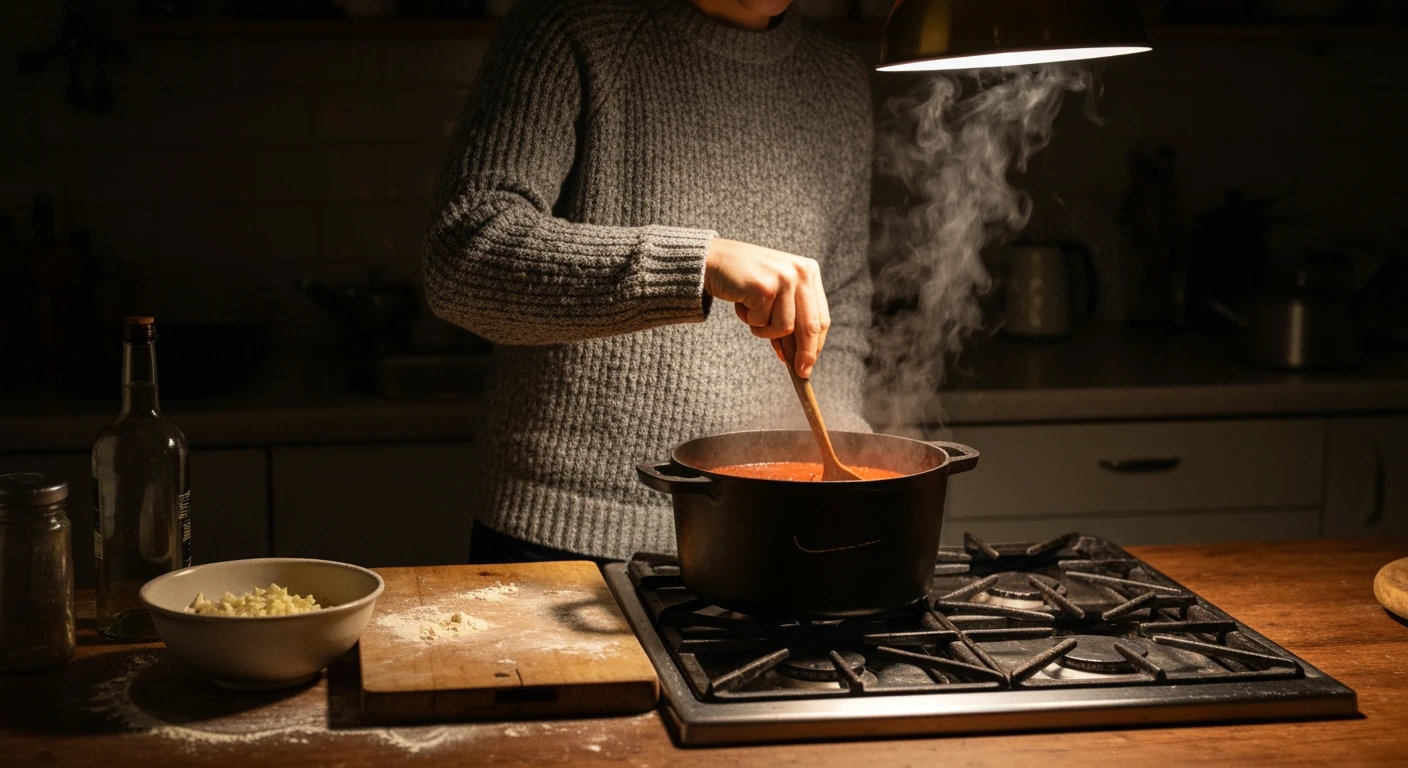
Stepping into the kitchen can feel like preparing for a major performance, especially when you’re not sure you have the right props. The truth is, you don’t need a drawer bursting with single-purpose gadgets to make a great meal. Building confidence starts with having a few reliable tools and simple strategies on your side.
It’s all about working smarter, not harder.
Required Gadgets for a Happy Kitchen
A cluttered kitchen is often a stressful one. Instead of buying every new device advertised online, focus on a core set of multi-functional items. What most people miss is that quality over quantity applies here. A single great pan is better than a wobbly stack of five cheap ones. A survey from the American Culinary Federation actually found that 72% of home cooks reported higher satisfaction when using a sharp, well-balanced chef’s knife.
Your journey toward savoring the everyday in the kitchen can begin with this simple, curated toolkit. These are the workhorses you’ll reach for again and again.
- A Sharp 8-Inch Chef’s Knife: This is your primary tool for chopping, slicing, and dicing. A sharp knife is surprisingly safer than a dull one because it requires less pressure and is less likely to slip.
- A Large Cutting Board: Give yourself enough space to work. A board that’s at least 15×20 inches prevents vegetables from rolling onto the counter. Wood or plastic is fine, but having a dedicated one for raw meat is a smart food safety practice.
- A Heavy-Bottomed Skillet: A 10 or 12-inch skillet (cast iron or stainless steel) is incredibly versatile. It distributes heat evenly, which means better sears on meats and less scorching on delicate sauces.
- A Stockpot: primary for pasta, soups, and boiling potatoes. A 6 to 8-quart pot is a great starting size for most households.
- Measuring Cups and Spoons: Baking requires precision, but even savory cooking benefits from accurate measurements until you’re comfortable enough to eyeball ingredients.
Smart Prep: Making Weeknights Easier
The secret to calm weeknight cooking isn’t some complex culinary school technique. It’s preparation. Chefs call it mise en place, which simply means “everything in its place.” Think of it like laying out all your clothes before getting dressed in the morning; it removes the frantic search and lets you focus on the task at hand.
This simple habit of preparing ingredients ahead of time can transform your cooking experience from chaotic to calm. You can easily integrate this into crafting a fulfilling morning routine or a Sunday afternoon ritual. For instance, spend 30 minutes chopping onions, peppers, and carrots to store in the fridge. Cook a large batch of quinoa or brown rice. Why not marinate chicken breasts or portion out ground beef? This small investment of time—a tiny part of your overall wellness journey—pays off all week long.
This simple change ensures that your daily cooking becomes a dose of delight rather than a dreaded chore. It frees up mental energy, allowing you to actually enjoy the process of creating something delicious. With your tools ready and your ingredients prepped, you’re no longer just cooking; you’re setting the stage for a great meal.
Infusing Fun: Creative Ways to Enjoy Your Culinary Journey
Once your knives are sharp and your pans are ready, the focus can shift from function to fun. Transforming cooking from a daily chore into a creative escape is simpler than you might think. The underrated factor here is perspective; treating your kitchen less like a production line and more like a personal studio opens up a world of possibilities. It starts with letting go of the pressure for perfection.
A simple way to begin is by hosting themed dinner nights. “Taco Tuesday” is a classic for a reason, but what about a “Mediterranean Escape” Friday with homemade hummus and grilled chicken skewers, or a cozy Sunday dedicated to mastering a new pasta sauce? It’s about the experience. The goal isn’t a five-star review; it’s about connection and laughter ringing through your home.
Bringing others into the process turns meal prep from a solitary task into a lively social event. A study from the University of Oxford suggests that cooperative activities, like cooking together, can increase feelings of social bonding by over 40% compared to more passive group settings. This is a powerful way of savoring the everyday and making memories that last long after the dishes are clean.
For a dose of playful competition, try a “mystery box” challenge with friends or family. Pull a few random ingredients from the pantry and fridge—maybe a can of black beans, a lone bell pepper, and a block of cheese—and see what everyone creates. The results can be surprisingly delicious, or at least provide a good story for later. This playful approach is key to cultivating joy in your routine.
Cooking becomes a shared story.
Ultimately, the food you create is just one part of the equation. The real magic comes from the creativity you explore and the connections you strengthen around the stove, creating a foundation for a more delightful and engaged life.
Your Kitchen, Your Story
Ultimately, the journey into home cooking isn’t about achieving culinary perfection or mastering complex techniques. It’s about reclaiming a core part of human experience that has been outsourced to the convenience economy. The slightly burnt toast, the sauce that’s a little too thin, the lopsided pancakes—these aren’t failures. They are the authentic, tangible markers of a life being lived, not just consumed. The real goal is to find joy in the process, not just the product.
By choosing to cook, you are choosing to participate more fully in your own nourishment and well-being. You are writing a story with ingredients, creating memories around a table, and building a more resilient and connected household. So, as you move forward, the question isn’t just ‘What should I cook for dinner?’ but rather, ‘What small, creative act can I reclaim for myself today?’
Frequently Asked Questions About Home Cooking
1. What are the easiest meals to start with for home cooking?
For beginners, the best meals are simple and forgiving. Think one-pan dishes like roasted chicken and vegetables, classic pasta with a jarred or simple homemade sauce, fluffy scrambled eggs, or hearty soups. These recipes require minimal complex steps and help build confidence in the kitchen.
2. How can I make home cooking less time-consuming?
The key is preparation, often called ‘meal prep.’ Dedicate an hour on the weekend to chop vegetables, cook a batch of grains like rice or quinoa, and marinate proteins. Using a slow cooker or pressure cooker can also save significant active cooking time on busy weeknights.
3. Is home cooking really cheaper than eating out?
Overwhelmingly, yes. While the initial grocery bill might seem high, the cost per meal is significantly lower when you cook at home. A single restaurant meal can often cost as much as the ingredients for several homemade meals, especially when you factor in drinks, tips, and delivery fees.
4. What are some basic kitchen tools every beginner should have?
You don’t need dozens of gadgets. Start with a high-quality 8-inch chef’s knife, a large cutting board, a 10 or 12-inch skillet (non-stick or cast iron), a stockpot for pasta and soups, and a set of measuring cups and spoons. These essentials will cover the vast majority of recipes.
5. How can I get my family involved in cooking at home?
Assign age-appropriate tasks to make it a team effort. Young children can wash produce or stir ingredients, while older kids can help with measuring, peeling, or reading the recipe. Turning on some music and keeping the atmosphere light and fun encourages everyone to participate.