
What if you could eliminate the daily 5 PM panic of figuring out what to make for dinner? For many, the end of the workday signals the start of a second shift in the kitchen, a scramble of chopping and cooking that feels more like a chore than a joy. This nightly decision fatigue can drain your energy and lead to less-than-ideal choices, like expensive takeout or processed meals, turning the heart of the home into a source of stress.
This is where quick meal prep revolutionizes your routine. Forget the intimidating image of spending an entire Sunday chained to your stove. True meal prep is about a series of small, strategic actions that give your future self a massive advantage. It’s about creating a personal toolkit of ingredients and components that turns a 45-minute cooking session into a 10-minute assembly job. The benefits ripple far beyond the kitchen, giving you back precious hours, saving money, and providing a powerful sense of control over your week.
So, how do you build a system that actually works for your life? This guide cuts through the noise to deliver the required secrets for effective home cooking prep. We’ll start by equipping you with the necessary toolkit, from smart storage to time-saving appliances. Then, we’ll explore the two core philosophies—batch cooking and component prep—to help you find your perfect match. Finally, you’ll get foundational recipes and advanced tips to make meal prep a sustainable, and even enjoyable, long-term habit. Get ready to unlock your kitchen’s true potential.
Why Quick Meal Prep is Your New Best Friend
Picture this: it’s 5:30 PM on a Tuesday, and the familiar question, “What’s for dinner?” hangs in the air. You’re tired from a long day, and the thought of chopping, dicing, and cooking from scratch feels like a monumental task. This daily scramble can easily become one of those common mistakes that derail your day before it even ends. The stress is real.
This is where quick meal prep enters the scene, not as a demanding weekend-long cooking marathon, but as a series of small, strategic actions. Think of it less like a massive project and more like giving your future self a helpful head start. It could be as simple as pre-chopping onions and peppers, mixing a few marinades, or cooking a batch of quinoa to use throughout the week—many of these are simple kitchen secrets people often overlook. You’re essentially creating a cheat sheet for your weekly meals.
The impact on your routine is surprisingly significant.
According to research from the University of Michigan’s School of Public Health, families that engage in meal prep eat healthier and save an average of 4-5 hours per week. What would you do with that extra time? This isn’t just about reclaiming hours; it’s about reducing decision fatigue and avoiding the common pitfalls of last-minute cooking. By sidestepping common food prep blunders made in a rush, you create a calmer kitchen environment.
Ultimately, adopting a few of these habits gifts you more than just prepared food; it provides a sense of control and peace that ripples through your entire week.
The necessary Toolkit: Gear Up for Efficient Prep
Trying to meal prep without the right tools is like trying to paint a room with a toothbrush. You might get it done eventually, but the process will be messy and frustrating. Equipping your kitchen with a few key items transforms prep day from a dreaded chore into a streamlined, even enjoyable, activity. This isn’t about buying every gadget you see on television. It’s about smart, strategic choices.
Smart Storage Solutions
The foundation of any successful meal prep routine is a solid storage system. But what’s the point of perfectly prepped food if it spoils by Tuesday or leaks all over your work bag? A reader survey from America’s Test Kitchen found that over 60% of home cooks own both glass and plastic containers, using them for different purposes. This hybrid approach seems to be the most practical.
Your goal is to create an organized, easy-to-use collection. Consider these essentials:
- Glass Containers: These are the workhorses of meal prep. They are perfect for reheating, don’t absorb food stains or odors (goodbye, turmeric-stained plastic), and are incredibly durable.
- BPA-Free Plastic Containers: For salads, snacks, and other non-heated meals, lightweight plastic is a great choice. Look for ones with locking lids and airtight seals to guarantee freshness.
- Mason Jars: They aren’t just for canning anymore. Mason jars are fantastic for layered salads, overnight oats, and soups—their vertical shape helps keep ingredients separate and fresh.
- Reusable Silicone Bags: A great, eco-friendly replacement for single-use plastic bags. Use them for marinating meats, storing chopped fruit for smoothies, or packing snacks.
Poor organization is one of the most frequent common food prep blunders, causing unnecessary stress—and let’s be honest, a frantic search for a matching lid can derail the calmest of mornings.
Time-Saving Appliances
While good knives and cutting boards are non-negotiable, a few electric helpers can drastically reduce your active prep time. These appliances do the repetitive, time-consuming tasks for you, freeing you up to focus on assembly. The data suggests an electric food processor can chop onions 88% faster than the average person can by hand.
You only need a few key players to make a significant difference:
- A Food Processor: For shredding a block of cheese in five seconds, slicing a dozen carrots uniformly, or whipping up a batch of hummus, this is your best friend.
- A Slow Cooker or Multi-Cooker: The ultimate “set it and forget it” tool. It allows you to batch-cook large quantities of shredded chicken, chili, or stew with minimal effort.
- A High-Quality Blender: required for making smooth soups, sauces, and dressings that you can use throughout the week. It’s also a core part of building simple morning habits with quick breakfast smoothies.
With your kitchen properly staged, the focus can shift from simply having ingredients to having a plan. Your tools are ready; now it’s time to build a smarter grocery list.
A well-stocked pantry and a plan are your best defenses against impulse buys and wasted produce.
— Dr. Alisha Carter, Nutrition and Behavioral Science Researcher
| Feature | Batch Cooking | Component Prep |
|---|---|---|
| Best For | Individuals with predictable schedules; those who prioritize maximum daily convenience. | Families with picky eaters; people who crave variety and flexibility. |
| Variety | Low. You eat the same meal multiple times. | High. You can assemble different combinations daily. |
| Upfront Effort | High. Requires cooking several complete, distinct recipes at once. | Medium. Involves chopping, roasting, and cooking separate ingredients. |
| Daily Effort | Very Low. Just grab a container and reheat. | Low. Requires 5-10 minutes of assembly and potential light cooking. |
Mastering the Art of Batch Cooking and Component Prep
Once your kitchen is equipped, it’s time to choose your meal prep philosophy. There are two main strategies people swear by: batch cooking and component prep. Think of them as different paths to the same destination of a stress-free weeknight dinner. One is about having complete meals ready to reheat, while the other is about creating a “kit” of ingredients you can assemble in minutes.
Understanding the difference is key to finding a system that works for you, not against you. A study from the University of Cambridge found that individuals who meal prep are significantly more likely to meet daily fruit and vegetable intake guidelines. The right strategy makes hitting that goal feel effortless.
Batch Cooking: Your Weekly Feast
Batch cooking is likely what you first imagine when you hear “meal prep.” This method involves cooking large quantities of specific, complete meals to be eaten over several days. Imagine a big pot of turkey chili, a hearty lasagna, or several containers of portioned-out chicken, broccoli, and rice. It’s the ultimate grab-and-go solution for busy schedules.
The primary advantage is pure convenience during the week. Your lunch is already packed, and dinner is just a quick reheat away. This approach is fantastic for people with highly predictable schedules. The main drawback? Flavor fatigue is real. Eating the same exact meal for three or four days can become monotonous—which, let’s be honest, can derail even the best intentions. This is one of those unexpected truths about home cooking; sometimes efficiency can kill enjoyment.
Component Prep: Mix & Match Magic
If the idea of eating the same thing every day makes you shudder, component prep is your answer. Instead of making full meals, you prepare individual ingredients that can be mixed and matched throughout the week. It’s like creating your own personal salad bar or deli counter right in your fridge. This method turns dinner into an assembly job, not a full-blown cooking project.
Proteins, Grains, and Veggies
The system works by focusing on the building blocks of a meal. On Sunday, you might prepare a few core components:
- Proteins: Grill a pack of chicken breasts, brown a pound of ground beef, or make a dozen hard-boiled eggs.
- Grains: Cook a large batch of quinoa, brown rice, or whole-wheat pasta.
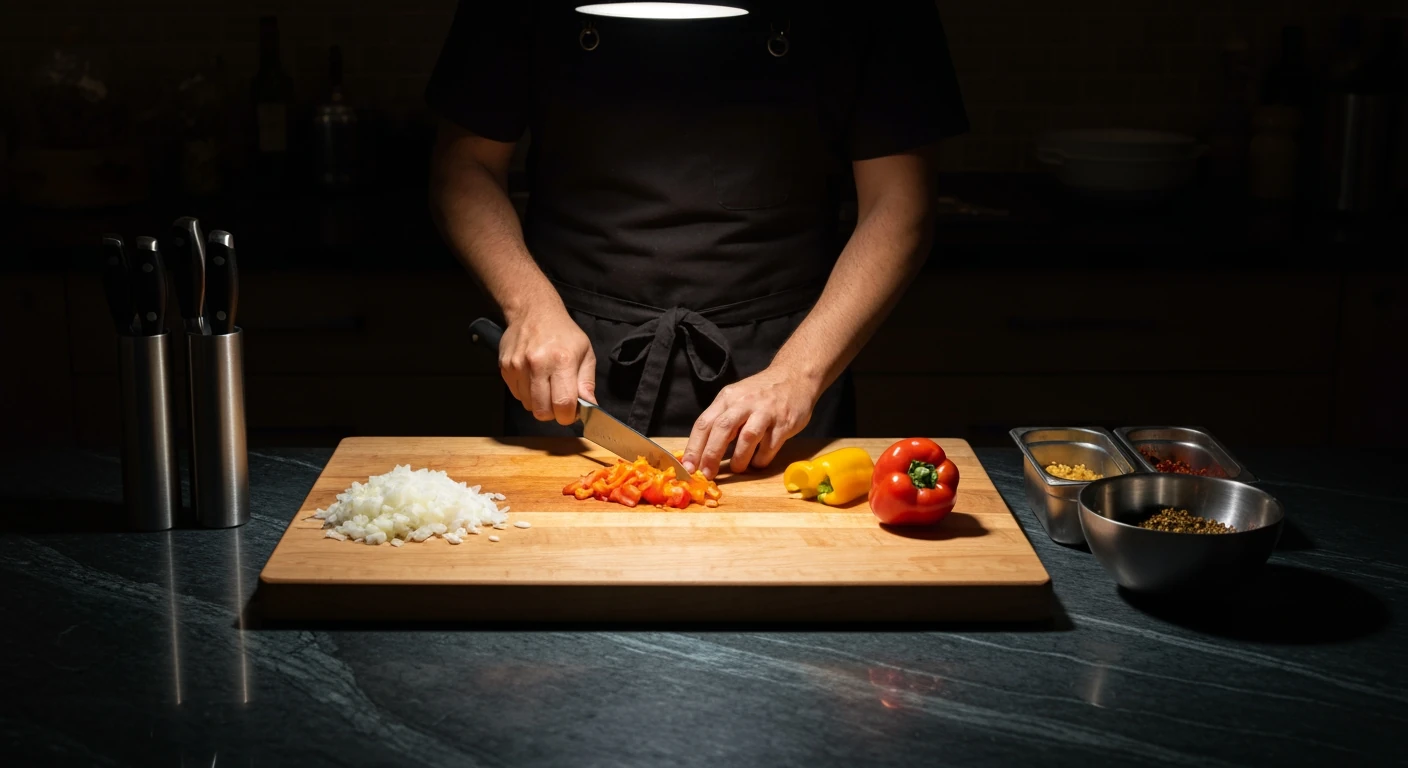
- Vegetables: Chop onions, bell peppers, and celery for easy recipe starters. Roast a sheet pan of broccoli and sweet potatoes. Wash and dry a tub of spinach or mixed greens—properly drying them helps you avoid common food prep blunders like slimy, wilted leaves.
With these items ready, you can create dozens of different meals. A chicken and quinoa bowl one day, a beef taco salad the next, and an egg-and-veggie scramble for a quick breakfast. This provides variety and flexibility that batch cooking often lacks.
Comparison: Batch vs. Component Prep
| Feature | Batch Cooking | Component Prep |
|---|---|---|
| Best For | Individuals with predictable schedules; those who prioritize maximum daily convenience. | Families with picky eaters; people who crave variety and flexibility. |
| Variety | Low. You eat the same meal multiple times. | High. You can assemble different combinations daily. |
| Upfront Effort | High. Requires cooking several complete, distinct recipes at once. | Medium. Involves chopping, roasting, and cooking separate ingredients, which can be time-consuming. |
| Daily Effort | Very Low. Just grab a container and reheat. | Low. Requires 5-10 minutes of assembly and potential light cooking. |
So which one is better? It’s not a competition. The underrated factor here is that the best system is often a hybrid of the two. You might batch cook two lunches while component prepping for more flexible dinners, creating a weekly plan that is part of your simple morning habits for success. This approach gives you both structure and freedom.
Flavorful Foundations: Recipes That Make Prep a Breeze
Knowing the strategies is one thing, but having go-to recipes is what brings meal prep to life. The best ones rely on simple, flexible ingredients that you can adapt based on what’s in your fridge. Think of it like laying out your clothes the night before—a little planning makes the main event so much smoother. The goal isn’t to create Michelin-star meals, but to make delicious, wholesome food accessible on your busiest days, reinforcing those simple morning habits for a better you.
You don’t need a complicated cookbook. Start with a few basic templates and you’ll find a rhythm that works for you.
One-Pan Wonders
The sheet pan meal is perhaps the most celebrated method in quick meal prep, and for good reason. It involves tossing a protein, vegetables, and seasonings onto a single baking sheet and roasting everything together. Roasting brings out the natural sweetness in vegetables, and the cleanup is minimal—which frankly is half the battle on a busy Tuesday.
A classic example is lemon-herb chicken with broccoli and sweet potatoes. Just chop your vegetables to a uniform size to ensure even cooking, one of the key skills to avoid common food prep blunders. Toss them with olive oil and spices, arrange them around your chicken pieces, and bake. The variations are endless: try sausage with bell peppers and onions, or salmon with asparagus and cherry tomatoes. It’s that easy.
Soups & Stews for the Week
Making a large pot of soup or stew on a Sunday can provide comforting, ready-to-heat lunches for days. These dishes are incredibly forgiving and a fantastic way to use up leftover vegetables. Plus, one of the most unexpected truths about home cooking is that many soups and stews actually taste better on the second or third day as the flavors meld together.
Consider a hearty black bean chili or a simple lentil and vegetable soup. Most recipes just involve sautéing some onions and garlic, adding your main ingredients and broth, and letting it simmer. Is there anything more satisfying than knowing a warm, nourishing meal is waiting for you? A study in the American Journal of Preventive Medicine found that individuals who meal prepped were significantly more likely to meet key nutritional guidelines, and soups are an easy gateway to achieving that.
With these foundational recipes, your week is already set up for success. The next step is ensuring your perfectly prepped food stays fresh and appealing until it’s time to eat.
Beyond the Basics: Advanced Tips for Sustainable Meal Prep
Once you’ve mastered the Sunday ritual of chopping and roasting, the next step is making the habit stick for the long haul. This involves a shift in thinking from just cooking ahead to creating a sustainable meal prep system. A sustainable approach not only saves you time but also minimizes food waste and keeps your taste buds interested. It’s a major shift.
A well-stocked pantry and a plan are your best defenses against impulse buys and wasted produce. The goal is to build a system that works with your life, not one that adds another layer of stress. Surprisingly, the most effective strategies are often the simplest ones.
Mindful Grocery Shopping
The foundation of a waste-free kitchen begins before you even start cooking. It starts at the grocery store. Shopping without a list is like trying to build furniture without instructions; you’ll end up with extra parts and a wobbly result. A study from the University of Pennsylvania found that shoppers with a detailed list were 43% less likely to make impulse purchases, which are often the first items to spoil in the fridge.
Before you leave home, take a quick inventory of your pantry, fridge, and freezer. What do you actually need? Plan your meals around ingredients you already have on hand, then build your shopping list to fill in the gaps. This simple audit reveals one of the most unexpected truths about home cooking: we often own more food than we realize. Thinking this way prevents you from buying a third jar of mustard when two are already hiding behind the pickles.
Creative Leftover Transformations
The real magic of advanced meal prep lies in how you handle leftovers. Instead of seeing a container of leftover roasted vegetables as just a repeat meal, view it as a component for a new creation. Think of your prepped ingredients like a set of building blocks. On Monday, they build a house, but by Wednesday, those same blocks can become a spaceship. This mindset is key to avoiding meal fatigue.
This is also a fantastic way to stretch your budget and avoid the common food prep error of letting perfectly good food go to waste. According to the EPA, food is the single largest category of material placed in municipal landfills. Transforming leftovers directly combats this problem on a personal scale (and let’s be honest, saves some serious cash).
From Roast Chicken to Tacos
A perfect example is the humble roast chicken. On night one, it’s the star of the show, served with potatoes and green beans. By night two, the shredded leftover meat can become the filling for delicious chicken tacos with some salsa and avocado. The next day, the carcass can be simmered with vegetable scraps—like onion peels and carrot ends you saved—to make a flavorful broth for a future soup. One initial effort yields three distinct meals.
Avoiding Prep Burnout
Even the most dedicated prepper can hit a wall. The enthusiasm you had on week one can easily fade by week ten when you’re facing another mountain of kale. But what happens when the routine feels more like a chore than a choice? The underrated factor here is recognizing that it’s okay to take a break and adjust.
Dr. Anya Sharma, a behavioral psychologist specializing in habit formation, explains, “Consistency is more important than intensity. If a full week of prep feels daunting, try prepping for just three days. The goal is to create a supportive habit, not a rigid rule.” Building a sustainable prep routine is a lot like cultivating other simple morning habits for a better you; it requires patience and flexibility. Sometimes, the best thing you can do for your routine is to plan a night off for spontaneous pizza or takeout.
Don’t be afraid to mix things up. If you always prep on Sunday afternoons, try a Monday morning session instead, or split the work into two smaller chunks during the week. The ultimate goal is to create a system that serves you, so give yourself permission to evolve it as your needs change.
Meal Prep as the Ultimate Form of Self-Care
Ultimately, mastering quick meal prep is about more than just having food in the fridge. It’s a deliberate act of designing a calmer, more intentional life. By investing a small amount of time upfront, you are buying back hours of mental and emotional energy during the week—energy you can then reinvest in your family, your hobbies, or simply relaxing. It transforms cooking from a reactive necessity into a proactive choice.
As you integrate these habits, you might find the most significant change isn’t on your plate, but in your mindset. You’ve created a system that serves you, reducing friction in your daily routine and proving that a happier home often starts with a smarter kitchen. With that newfound time and peace of mind, what will you choose to do?
Frequently Asked Questions
How long can meal prepped food safely last in the fridge?
Generally, most prepared meals will safely last for 3 to 4 days in the refrigerator when stored in airtight containers. Foods like seafood may have a shorter window of 1-2 days, while heartier dishes like stews or grain bowls can last a bit longer. Always use your best judgment regarding smell and appearance before eating.
What are the best types of food to meal prep?
The best foods for meal prep are sturdy ingredients that hold up well after cooking and reheating. Think roasted vegetables like broccoli and sweet potatoes, grains like quinoa and rice, legumes such as chickpeas and lentils, and cooked proteins like grilled chicken or ground beef. It’s best to avoid delicate greens or fruits that can become soggy.
Can I meal prep for dietary restrictions (e.g., vegetarian, gluten-free)?
Absolutely. Meal prepping is actually one of the best ways to manage dietary restrictions because it gives you complete control over every ingredient. You can easily prepare batches of gluten-free grains, plant-based proteins like tofu or beans, and dedicated vegetable components to ensure your meals meet your specific needs without any cross-contamination worries.
How do I prevent my prepped meals from getting boring?
Variety is key! Embrace ‘component prep’ by making individual ingredients you can mix and match. Also, focus on sauces and seasonings. A simple base of chicken and rice can become a zesty Mexican bowl one day and a savory teriyaki dish the next just by changing the sauce and adding a few fresh toppings like cilantro or sesame seeds.
Is meal prepping cost-effective?
Yes, for several reasons. Planning your meals allows you to buy exactly what you need, drastically reducing food waste. It also helps you avoid expensive, last-minute takeout or delivery orders. buying ingredients in bulk, which is common for meal prep staples, is often much cheaper than buying smaller quantities throughout the week.