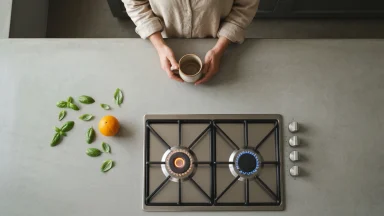
When you hear the term “self-care,” what comes to mind? For many, it conjures images of expensive spa treatments, perfectly curated bubble baths, and indulgent desserts plastered across social media. While these moments of luxury have their place, they often miss the true heart of the practice. What if the most effective forms of self-care were quieter, less glamorous, and already within your reach, woven into the simple fabric of your day?
True self-care is less about temporary escape and more about building a life you don’t feel the need to escape from. It is the foundational, sometimes even mundane, work of tending to your own well-being. Think of it as the primary maintenance that keeps you running: getting enough sleep, nourishing your body with food that makes you feel good, and moving in ways that bring you joy. It’s the practice of listening to your body’s needs and responding with consistent, deliberate kindness, even when no one is watching.
This guide will move beyond the superficial to help you build a personalized and sustainable self-care blueprint. We will explore the foundational pillars of rest, nutrition, and movement that form the bedrock of well-being. From there, we’ll delve into integrating mindful moments to calm your nervous system, cultivating connections that nourish your spirit, and ultimately, crafting a routine that feels authentic to you. The goal isn’t perfection; it’s about discovering the small, consistent actions that create lasting resilience and a deeper sense of peace in your everyday life.
What Self-Care Means (Beyond Bubble Baths)
When you hear the term self-care, your mind might jump to images of expensive spa days, elaborate bubble baths, and decadent desserts. While those things are certainly enjoyable, the real definition of self-care is often much less glamorous. It’s the foundational, sometimes boring, work of tending to your own physical and mental well-being. Think of it less like a luxury vacation and more like making sure your car has gas and oil before a long road trip.
True self-care is about recognizing your needs and taking deliberate steps to meet them. This can mean saying “no” to a social event when you’re feeling drained, making sure you get enough sleep, or preparing a simple meal instead of ordering takeout for the third night in a row. It’s about building a life you don’t need to regularly escape from. It is maintenance, not just a treat.
Psychologists emphasize that these small, consistent actions are what build long-term resilience. Dr. Elena Vance, a sociologist at the University of Chicago, explains, “The practice of self-care is fundamentally about self-preservation. It’s the act of creating internal resources that protect you from burnout and chronic stress, which a study in The Lancet linked to a 21% higher risk of health complications.” The benefits aren’t just about feeling good in the moment; they are about safeguarding your future self.
So what does this look like in the real world? It might be as simple as crafting a morning routine that nurtures your spirit before the chaos of the day begins. It could also mean finding simple habits for daily inspiration that don’t require a huge time commitment — a much less Instagrammable activity than a weekend getaway, but arguably more effective. The goal is to integrate these practices into your life, not just use them as emergency fixes.
Foundational Pillars: Building Your Self-Care Blueprint
Thinking about self-care is a bit like building a house. You wouldn’t pick out curtains before you’ve poured the foundation. Similarly, lasting well-being isn’t built on occasional bubble baths or expensive face masks, but on the sturdy, non-negotiable pillars that support your daily life. These are the practices that you return to day after day, not because they are glamorous, but because they are primary.
Getting these fundamentals right creates a stable base from which all other forms of self-care can grow. It is about honoring your body’s most basic requests for rest, fuel, and activity. This isn’t about perfection. It’s about consistency.
The Power of Rest: Prioritizing Quality Sleep
Sleep is arguably the most underrated form of self-care. We often treat it as a luxury to be shortened when deadlines loom or life gets busy, but the data suggests this is a mistake. According to the CDC, more than a third of American adults consistently fail to get enough sleep, which can impact everything from mood regulation to immune function. A sleep-deprived brain simply doesn’t operate at full capacity.
Improving sleep quality doesn’t require a complete life overhaul. The underrated factor here is creating a simple, calming pre-bedtime ritual. This could mean turning off screens an hour before bed, reading a few pages of a book, or listening to quiet music. The goal is to signal to your brain that it’s time to wind down. Establishing a consistent sleep-wake cycle, even on weekends, can profoundly stabilize your body’s internal clock and is a key part of crafting a morning routine that nurtures your spirit.
Fueling Your Body: Mindful Eating Habits
What we eat is a direct conversation with our bodies, and mindful eating is about learning to listen to the reply. This practice moves beyond the noise of diet culture and focuses on nourishment as an act of kindness to yourself. It involves paying attention to your food, savoring its flavors, and recognizing your body’s hunger and fullness cues. It’s about noticing how certain foods make you feel, both physically and emotionally.
Dr. Lena Petrova, a dietitian at the Cleveland Clinic, explains that “mindful eating helps reconnect us with our innate body wisdom, reducing stress around mealtimes and improving digestion.” Instead of categorizing foods as “good” or “bad,” the focus shifts to balance and enjoyment. Does a bowl of pasta with fresh vegetables feel satisfying and energizing? Great. Does starting your day with one of some creative breakfast ideas set a positive tone? That’s what matters.
Simple Meal Prep Ideas
The idea of meal prepping can feel intimidating — visions of countless identical plastic containers come to mind — but it can be surprisingly simple. The aim is to make future you’s life easier.
- Overnight Oats Jars: Combine rolled oats, milk or yogurt, chia seeds, and a touch of maple syrup in a jar. Shake it up and leave it in the fridge for a grab-and-go breakfast that’s packed with fiber.
- Snack Box Assembly: Wash and chop vegetables like carrots, bell peppers, and cucumbers. Portion them into containers with a scoop of hummus or a handful of almonds for an easy, healthy snack.
- Pre-Cooked Grains: Make a large batch of quinoa, brown rice, or farro at the beginning of the week. You can easily add it to salads, soups, or serve it as a side dish for a quick meal. It’s one of those simple recipes for every day that makes a huge difference.
Movement for Joy: Finding What Feels Good
For many, the word “exercise” is loaded with pressure and expectations of high-intensity workouts at a gym. It’s time to reframe that. Movement is a celebration of what your body can do, not a punishment for what you ate. The key is to find activities that bring you genuine joy, which makes consistency feel effortless rather than forced.
This could be anything. It’s up to you.
The mental health benefits are significant. The American Psychological Association highlights that even short bursts of physical activity can reduce anxiety and improve mood. What if you saw movement not as a 60-minute commitment, but as small, joyful moments sprinkled throughout your day? Finding these moments can become one of your most powerful simple habits for daily inspiration.
Incorporating Gentle Exercise
Integrating movement into your life doesn’t require a gym membership or fancy equipment. It’s about weaving activity into the fabric of your existing routine. A 15-minute walk during your lunch break can clear your head and boost your energy for the afternoon. Stretching for just five minutes after you wake up can ease stiffness and prepare your body for the day.
Consider putting on your favorite playlist and dancing in the kitchen while you cook dinner or trying a gentle yoga flow from an online video in your living room. Even activities like gardening or taking a longer route while walking the dog count. The goal is to move your body in a way that feels restorative and enjoyable, not draining. These small, consistent actions build a foundation of physical well-being that supports every other part of your life.
The practice of self-care is fundamentally about self-preservation. It’s the act of creating internal resources that protect you from burnout and chronic stress, which a study in The Lancet linked to a 21% higher risk of health complications.
— Dr. Elena Vance, Sociologist at the University of Chicago
| Pillar of Self-Care | Simple Action You Can Take |
|---|---|
| Physical: Sleep | Turn off screens 30 minutes before bed. |
| Physical: Nutrition | Prepare a simple snack box with veggies and hummus. |
| Physical: Movement | Take a 10-minute walk during your lunch break. |
| Mental: Mindfulness | Practice ‘box breathing’ for two minutes when you feel stressed. |
| Mental: Nature | Eat your lunch on a park bench or near a window. |
| Social: Connection | Send a text to a friend you haven’t spoken to recently. |
| Social: Boundaries | Say “no” to one small request that would drain your energy. |
Mindful Moments: Integrating Calm into Your Day
Moving beyond the physical foundations of self-care, we find the equally important world of our mental state. The idea of adding yet another task to a packed schedule can feel overwhelming, but integrating mindfulness isn’t about blocking out an hour for meditation. It’s about sprinkling small, intentional pauses throughout your day, like adding a pinch of salt to bring out the flavor in a meal.
These moments anchor you in the present, preventing your mind from racing ahead to the next item on your to-do list. The cumulative effect of these tiny resets can be surprisingly powerful. Think of it less as a formal practice and more as a collection of simple habits for daily inspiration.
Breathwork: Your Instant Anxiety Reliever
Your breath is the most accessible self-care tool you own. It’s free, it’s always with you, and it works instantly to regulate your nervous system. When you feel stress rising—maybe before a meeting or while stuck in traffic—a few intentional breaths can signal to your body that you are safe. But how can you make this a consistent habit?
One of the easiest techniques is box breathing. You simply inhale for a count of four, hold your breath for four, exhale for four, and hold again for four. A recent study from Stanford Medicine actually found that just five minutes of daily “cyclic sighing” breathwork improved mood and reduced respiratory rate more effectively than an equal amount of mindfulness meditation. Repeating this cycle just 3-5 times can lower your heart rate and quiet a frantic mind. It’s a simple reset button you can press anytime, anywhere.
Nature’s Embrace: Connecting with the Outdoors
You don’t need to hike a mountain to reap the benefits of nature. What many people miss is that small, consistent doses of the outdoors can be just as effective for mental clarity. The goal is to engage your senses with the natural world, even for a few minutes. This could be as simple as stepping outside to feel the sun on your face or noticing the details of a single leaf.
This practice is about finding the wild in the everyday. During your lunch break, instead of scrolling through your phone, try eating on a park bench. Pay attention to the sound of the wind or the birds. Even just looking out a window and observing the clouds can create a moment of peace. It’s about consciously shifting your focus, which is a key part of crafting a nurturing morning routine that carries you through the day.
Here are five quick ways to get a mindfulness boost in under five minutes:
- Mindful Sips: As you drink your morning coffee or tea, focus completely on the experience. Notice the warmth of the mug, the aroma, and the taste of each sip. Avoid multitasking and just enjoy this one simple pleasure. For a moment, it’s more than just a beverage; it’s a sensory anchor.
- The 5-4-3-2-1 Method: When you feel overwhelmed, pause and silently name five things you can see, four things you can feel, three things you can hear, two things you can smell, and one thing you can taste. This grounding technique pulls your focus away from anxious thoughts and back into your immediate environment.
- Single-Task Focus: Choose one mundane chore—like washing a single dish or folding a towel—and do it with your full attention. Feel the warm water on your hands, notice the texture of the fabric. This turns a routine action into a meditative practice.
- A “Sound” Walk: Take a short walk around the block with one goal: to listen. Don’t plug in headphones. Instead, try to identify as many different sounds as you can, from the distant hum of traffic to the chirping of a nearby bird.
- Tech-Free Zone: Designate a small window of time, even just five minutes, to put your phone in another room. Sit quietly, stretch, or simply stare out the window. This creates a small pocket of stillness and reduces the constant input of information.
Incorporating these small practices doesn’t require a major life overhaul. The underrated factor here is consistency. By weaving these mindful moments into the fabric of your existing day, you build a more resilient and peaceful inner world, one calm breath at a time.

Cultivating Connection: Self-Care Through Relationships
While we often picture self-care as a solo activity—a quiet bath or a solitary walk—some of the most powerful nourishment comes from our connections with others. Humans are wired for community. In fact, the data suggests it’s a vital component of well-being. The landmark Harvard Study of Adult Development found that strong, positive relationships were a more significant predictor of long-term happiness than wealth or fame.
Nurturing these bonds doesn’t require grand gestures. It’s often found in the small, consistent efforts, much like tending a garden. Think about sharing one of your creative breakfast ideas with a friend or scheduling a weekly phone call with a family member. These simple acts build a foundation of support, creating a space where you feel seen and valued. What most people miss is that this kind of social self-care fills your cup just as much as it fills theirs.
This also means learning to set healthy boundaries.
Protecting your energy is not selfish; it is a core requirement for maintaining healthy relationships. A boundary might be as simple as saying “no” to a commitment when you’re feeling overwhelmed or limiting time with people who consistently drain your spirits. It’s about consciously choosing interactions that align with the simple habits for daily inspiration that you’re trying to build. This practice ensures you have the emotional capacity to show up fully for the people who matter most — which is much harder than it sounds, I know!
Finding your community, whether it’s a book club, a walking group, or neighbors who share a meal, creates a vital support system. Sharing these moments of everyday joy reminds us that we are not alone. These connections become the safety net that makes navigating life’s challenges a little less daunting.
Personalize Your Path: Crafting a Self-Care Routine That Sticks
There is no universal prescription for self-care. What recharges one person might feel like a chore to another. The secret to a lasting practice is not found in a magazine list but in creating a plan that fits your life like a favorite, well-worn sweater. Think of it less like a rigid schedule and more like a personal recipe; you can adjust the ingredients based on your needs and tastes.
A successful routine starts with honest self-reflection. It requires you to listen to what your mind and body are asking for. This isn’t about grand gestures. It’s about small, consistent acts of kindness toward yourself.
Identifying Your Self-Care Needs
Before you can build a plan, you need to know what you’re building with. Taking a few moments for a quick personal inventory can provide surprising clarity. What most people miss is that self-care isn’t just about bubble baths; it addresses multiple facets of your well-being. But where do you even begin this process?
Consider these areas as a starting point for designing your ideal self-care plan. Grab a notebook and jot down one or two simple ideas for each category that genuinely appeal to you.
- Mental & Emotional: This could be journaling for ten minutes, listening to a calming podcast, practicing mindfulness, or setting aside time for a hobby that engages your mind. The goal is to create space away from daily stressors.
- Physical: Think about what makes your body feel good. This might be a gentle walk, stretching before bed, or even just ensuring you drink enough water throughout the day. It could also mean finding joy in the kitchen with simple recipes that bring you comfort.
- Social: While the previous section highlighted community, your personal plan defines how you engage. This could mean scheduling a weekly phone call with a friend, having a device-free dinner with your family, or joining a book club.
- Spiritual: This is deeply personal and doesn’t have to be religious. It could involve spending time in nature, meditating, volunteering, or engaging in any activity that provides a sense of purpose and connection.
Overcoming Common Self-Care Hurdles
The two biggest obstacles to maintaining a self-care routine are often time and guilt. The feeling that you “should” be doing something more productive can sabotage the best intentions. the data suggests—though not conclusively—that even tiny pockets of self-care have a significant impact. A study from King’s College London found that even 15-minute bursts of an enjoyable activity can improve mood and reduce fatigue by 29%.
Start small. This is a critical first step. Instead of committing to an hour of yoga, try five minutes of stretching. Rather than a complex new breakfast routine, find a few creative breakfast ideas that are both simple and delightful. The underrated factor here is momentum. Small, achievable wins build confidence and make the habit stick.
Flexibility is your greatest ally. Life is unpredictable, and your self-care plan should be able to bend without breaking. If you miss a day, don’t view it as a failure. Simply pick it back up the next. This practice is an act of compassion—not another item on your to-do list to feel stressed about. The whole point is to reduce pressure, not add to it.
Ultimately, your self-care journey is yours alone. It will change as your life changes, and what you need today might be different from what you need next month. The most effective plan is the one you actually do, so choose activities that bring you genuine replenishment and start building your own unique path to well-being.
Your First Step Starts Now
You’ve explored the pillars, the mindful moments, and the power of connection. But knowledge without action is just information. The most important takeaway is that you don’t need to overhaul your entire life to begin. The journey of self-care starts with a single, compassionate choice. So, what will your one small step be today? Will you take five minutes for intentional breathing, go for a short walk without your phone, or simply drink a glass of water right now? Choose one thing—the easier, the better—and do it. That small victory is the only foundation you need for whatever comes next.
Frequently Asked Questions About Self-Care
How often should I practice self-care?
Consistency is more important than frequency. Instead of aiming for a big weekly event, focus on integrating small, daily acts of self-care. Five minutes of mindfulness each day is often more effective than a two-hour spa visit once a month because it builds a consistent habit of self-support.
Is self-care selfish?
No, self-care is not selfish; it’s a form of self-preservation. By tending to your own needs, you replenish your energy and mental resources. This allows you to show up more fully and effectively in your relationships, work, and community, preventing burnout and resentment.
What if I don’t have time for self-care?
If you feel you don’t have time, it’s a sign you need it most. Reframe self-care not as another task to add, but as a way to integrate small pauses into your existing day. It can be as simple as a two-minute stretching break or practicing mindful breathing while waiting for your coffee to brew.
Can self-care help with stress and burnout?
Absolutely. Self-care is a primary defense against stress and burnout. Practices like adequate sleep, movement, and mindfulness help regulate your nervous system, reducing the chronic fight-or-flight state that leads to exhaustion. They build the internal resilience needed to navigate life’s challenges.
What’s the difference between self-care and self-indulgence?
The key difference is intention and outcome. Self-care is about long-term well-being and nourishment, like getting enough sleep. Self-indulgence is typically focused on immediate gratification that may not serve your future self, like binge-watching a show and feeling exhausted the next day.